
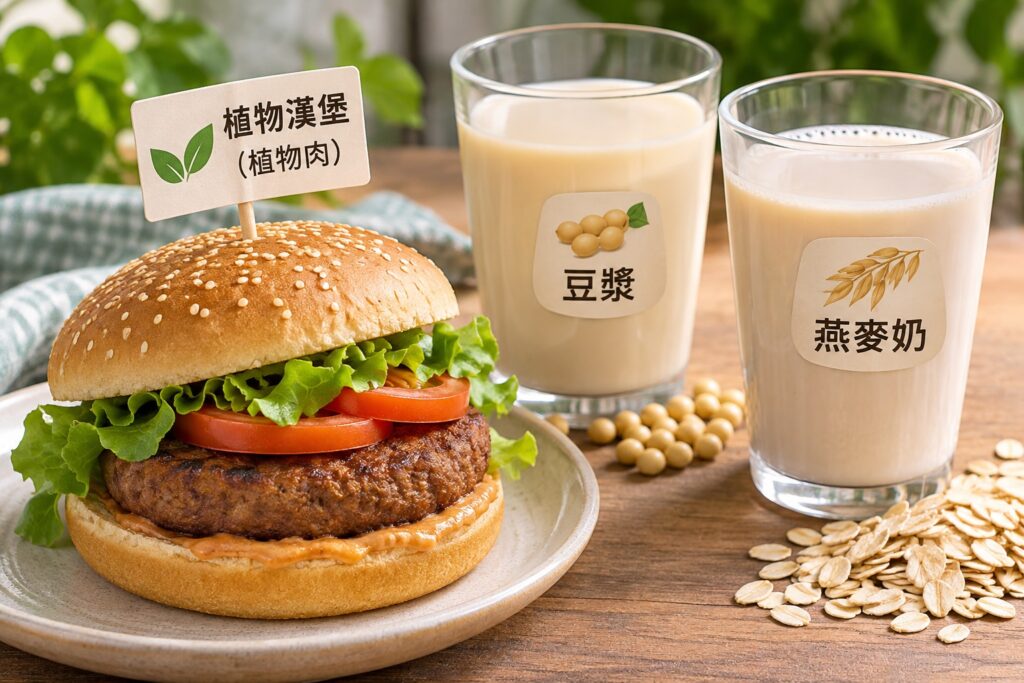
A recent study has raised concerns regarding the health risks associated with popular plant-based foods and drinks, as they continue to gain popularity among consumers. The research, conducted by scientists from Cranfield University in the UK and led by researchers from the University of Parma in Italy, examined 212 vegetarian and vegan products, including plant-based burgers, vegan chicken nuggets, and sausages made from oats, almonds, and soy. Alarmingly, every single product tested was found to contain at least one type of potentially harmful mycotoxin.
Mycotoxins are toxic chemical substances produced by certain fungi, including molds, which can contaminate crops such as grains, legumes, and seeds during their growth, harvesting, or storage. The widespread presence of these natural contaminants in plant-based foods raises significant concerns about their long-term health implications for consumers.
Despite the troubling findings regarding these toxins, the researchers offered some reassurance. They noted that the concentrations of mycotoxins found in all the products were below the recommended safety limits set by the European Union. This suggests that the UK food industry maintains high food quality standards, despite the prevalence of these contaminants.
The raw ingredients used in making plant-based foods are particularly susceptible to fungal contamination. Grains, legumes, and seeds can come into contact with molds either in the field or during storage, allowing for mycotoxins to develop before these ingredients even reach food manufacturers.
Unlike bacteria or viruses, mycotoxins derive from specific fungi and their presence in food does not necessarily indicate the presence of live molds. Furthermore, the detection of these toxins does not inherently mean that the food is unsafe. The potential health risks associated with mycotoxins depend on various factors, including the type of toxin, its concentration, and the cumulative amount consumed over time.
For individuals who frequently consume plant-based products, understanding these nuances is particularly crucial. If a person’s diet relies heavily on meat substitutes, dairy alternatives, grains, and legumes, the sources of mycotoxins they are exposed to may not stem from a single product but rather from a variety of different foods.
Although the levels of toxins detected in UK products were within the EU’s recommended guidelines, the researchers emphasized that the implications of repeated long-term exposure to these substances merit careful monitoring.
Previous studies indicate that regular intake of trace amounts of mycotoxins over time may lead to an accumulation of these toxins in the body, consequently increasing health risks. This highlights the importance of not simply evaluating individual products but instead considering the overall dietary exposure to mycotoxins.
According to the concentration data presented in the report, consuming these products occasionally is unlikely to cause significant health issues. However, a diet that heavily relies on or completely depends on plant-based foods could result in repeated exposure to mycotoxins. Understanding the “cumulative effects” of these toxins is essential for assessing their potential long-term health consequences.
In cases where toxin consumption reaches harmful levels, certain mycotoxins may impair liver and kidney function, disrupt the normal functioning of the immune system, and could even increase the risk of cancer.
Importantly, the findings of this study do not confirm that the tested products will directly lead to the health problems mentioned above. Instead, the data provides a scientific basis for estimating the amount of toxins consumers may encounter through their daily diets, aiding in the development of more accurate food safety risk assessments for the UK population.
Andrea Patriarca, a senior lecturer in mycology at Cranfield University, emphasized that mycotoxins are naturally present in foods and cannot be completely avoided. Consumers should not panic or hesitate to enjoy a variety of products because of these findings. Instead, maintaining a diverse diet and avoiding over-reliance on a single source of food remains a sensible dietary principle.
Looking ahead, the researchers plan to further analyze the relationship between different dietary patterns and exposure to mycotoxins, identify populations at higher risk, and provide a scientific foundation for food safety policies.
The study titled “Mycotoxin contamination in plant-based beverages and meat alternatives: A survey of the UK market” was published in the journal Food Control.