
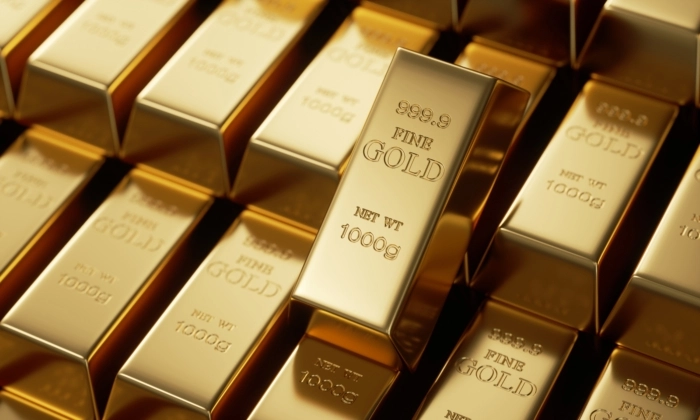
Gold prices fell to their lowest point in a year on Monday, November 16, driven by a combination of high U.S. Treasury yields, a strong dollar, and market expectations that the Federal Reserve is poised to raise interest rates next month. The yellow metal is now facing significant downward pressure and could be on track for its weakest performance in over a decade.
According to analysis from Reuters, gold prices dropped to $3,830.74 per ounce, marking the lowest level since October 2, 2025. Since hitting a historic peak of $5,594.82 per ounce in January of this year, gold has experienced a decline of 31.5%, setting the stage for what may become the worst year for the commodity since 2015.
Goldman Sachs indicated that gold experienced a remarkable increase of over 30% within just one month earlier this year, reaching an all-time high. However, it suggests that it may take another two years for the metal to achieve a new peak.
The bank predicts a continuation of weakness in gold prices in the short term, with increased volatility anticipated. This decline is attributed to the Federal Reserve’s ongoing tightening of monetary policy, which places pressure on non-yielding assets like gold.
Following the historic high established in late January of this year, gold has faced a challenging landscape. The fervor for artificial intelligence investments, surging bond yields, and expectations of further interest rate hikes have all contributed to diminishing demand for gold. This trend could push the metal toward its most dismal annual performance in over a decade, with year-to-date losses approaching 11%.
At the same time, the dollar remains robust, hovering near its highest levels since April 2025. This strength in the dollar continues to exert pressure on gold, as a stronger dollar raises the cost for investors purchasing gold using other currencies, thus suppressing demand.
Data from the Chicago Mercantile Exchange’s FedWatch tool reveals that market participants are anticipating a 25 basis point hike in interest rates at the Federal Reserve’s next policy meeting in December, with a smaller chance of a 50 basis point increase. This expectation has significantly driven up U.S. Treasury yields.
The conflict in Iran that began in late February has additionally pushed oil prices higher, exacerbating inflation concerns and heightening fears that countries worldwide may further tighten monetary policies. Although gold is often viewed as a hedge against inflation, it tends to lose appeal when interest rates are on the rise, as investors gravitate towards yield-generating assets.
This analysis draws from reports by Bloomberg, reflecting the complex interplay of geopolitical factors and market sentiment impacting gold prices today.