
Amid the gradual restoration of oil exports from the Middle East and expectations of an oversupply in the global crude oil market, international oil prices experienced a significant decline on Monday, November 16, with drops exceeding 3%.
At the close of trading, West Texas Intermediate (WTI) crude futures fell by $2.84, marking a decrease of 3.2%, settling at $85.72 per barrel. Meanwhile, global benchmark Brent crude futures dropped by $3.40, or 3.6%, closing at $92.44 per barrel.
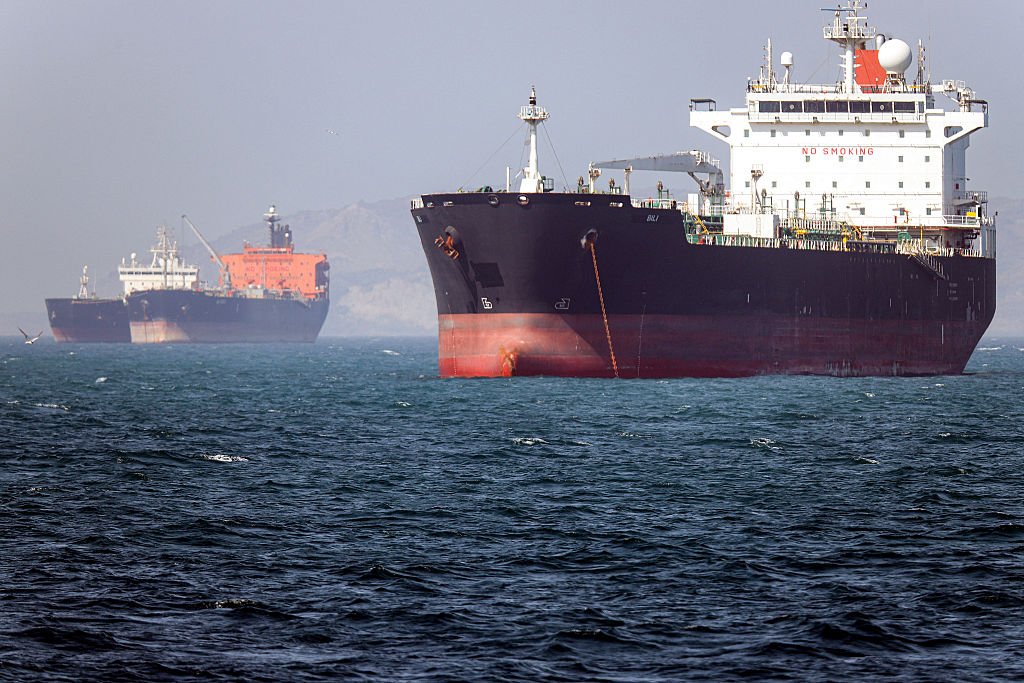
Despite ongoing tensions between the U.S. and Iran, and a series of attacks on shipping in the Strait of Hormuz, there have been strong signs of recovery in the volume of crude oil transported through this vital waterway. This recovery has effectively eased market fears regarding prolonged supply disruptions.
Dennis Kissler, an analyst at BOK Financial, noted that “while heightened geopolitical tensions appear to be the new normal, global oil supplies seem to remain relatively stable, with U.S. oil production nearing historical high levels.”
Recent forecasts from authoritative energy agencies have further accentuated the market’s bearish sentiment. In a report released last Friday, the International Energy Agency (IEA) revised its previous assessment of anticipated supply shortages, now expecting that the average global oil supply in the fourth quarter of 2026 will reach 105 million barrels per day, exceeding projected demand by 1.7 million barrels per day. This marks the first time since the onset of the U.S.-Iran conflict that the global oil market is expected to return to a state of oversupply.
The IEA highlighted that the pace of recovery in Middle Eastern exports is significantly outstripping the growth in global demand. Additionally, among the record oil reserves committed for release by IEA member countries last March, there are still 71 million barrels (including 15 million barrels of diesel) scheduled to be released into the market by the end of February next year, which will further bolster global supply.
Furthermore, IEA data indicated that Russia’s crude oil production surged by 210,000 barrels in October, reaching a total of 8.73 million barrels per day.
On the demand side, weakness in consumption is also exerting downward pressure on oil prices. Data released by China’s National Bureau of Statistics on Monday revealed that as the world’s second-largest oil consumer, China’s crude processing at refineries decreased by 2% month-on-month and showed a significant year-on-year decline of 8.1% in October. According to Reuters’ analysis of official data, the reduction in processing capacity, combined with an increase in domestic production and import levels, led to an increase in China’s crude oil inventory by 492,000 barrels per day last month.
Looking ahead, Goldman Sachs indicated in a report released on Sunday that with oil-producing nations flexibly adopting ship-to-ship transfers and expanding pipeline capacity, Middle Eastern supply levels are expected to rise above the average levels seen in 2025. Goldman projected that the average price of Brent crude will drop to $88 per barrel by 2027, with the potential to retreat further to $78 per barrel by December 2027.
However, short-term geopolitical fluctuations have not entirely subsided. Fitch’s research arm, BMI, cautioned in a client report that the recovery of “OPEC+” exports remains fragile until a formal agreement is reached between the U.S. and Iran. Consequently, significant transportation constraints and geopolitical risk premiums are likely to dominate short-term oil price trends.
This analysis draws upon reports from CNBC, illustrating the dynamic and complex factors influencing the global oil market today.