
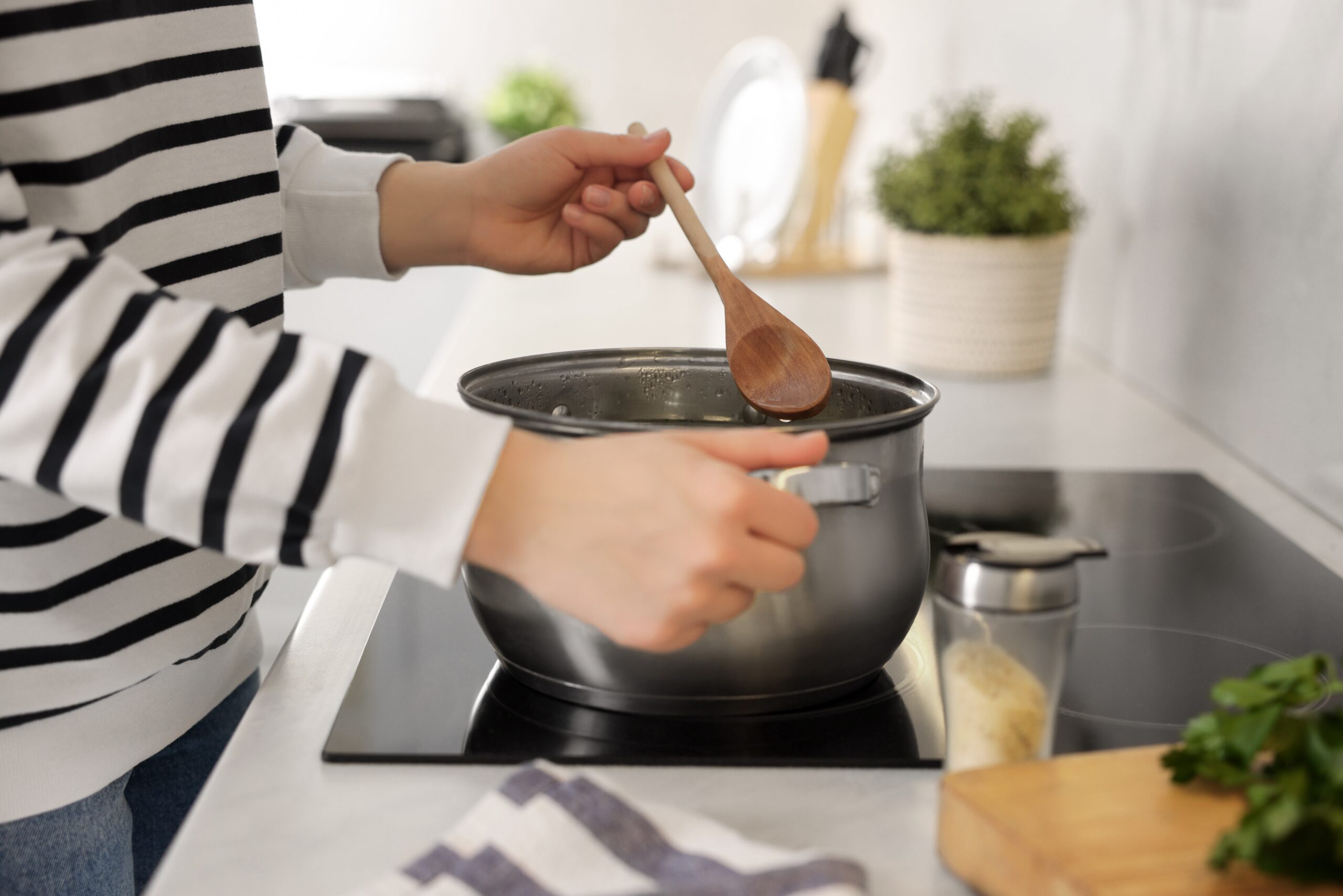
On September 25, 2026, a viral trend on the internet suggests soaking wooden spoons and cutting boards in boiling water for a “deep clean.” Advocates of this method claim that it helps remove years of buildup and usage marks because the water often turns brown after soaking these kitchen utensils for a while. However, some experts have expressed doubts about this.
Wooden kitchen utensils like spoons are favored for their quiet nature during cooking, gentle on cookware coatings, heat-resistant, good insulation properties, and the aesthetic appeal of wood grain. But with extended use, these utensils can become rough on the surface and prone to harboring dirt, requiring regular polishing and application of specific oils.
The UK consumer group Which? recently cautioned on social media that soaking wooden spoons and cutting boards in boiling water may damage these utensils, rendering them unsuitable for further use. If you are following this practice, it is advised to stop immediately.
Experts cited by the Daily Mirror explained that the brown water resulting from soaking wooden utensils does not necessarily indicate the utensils were originally very dirty. The high temperature can release natural pigments and tannins from the wood.
Which? warned that the high temperature and prolonged soaking in boiling water can cause wooden utensils to warp, crack, become damaged, providing an ideal breeding ground for bacteria and pathogens, and stripping away protective oils that help maintain the wood’s surface condition.
A safer method advised is to wash with mild dish soap or detergent and water. Avoid leaving wooden utensils in the sink or soaking in water for an extended period, as moisture can lead to damage.
After cleaning, wooden utensils should be promptly dried with a clean towel and placed in a well-ventilated area instead of air-drying. Cutting boards should also be dried and stored upright to facilitate airflow and ensure thorough drying.
For stubborn odors or stains on these utensils, a simple scrub using salt and lemon juice (half a lemon is sufficient) is recommended. To prevent the wood from becoming too dry over time, a small amount of food-grade mineral oil can be applied to the surface to extend its lifespan.
Besides serving as kitchen tools, wooden spoons have another use in the kitchen – preventing boiling water from overflowing. This has scientific validity.
When boiling noodles, the water tends to bubble and may overflow or splatter, creating a mess. Placing a wooden spoon on the pot prevents the bubbles from spilling over.
Southern Living magazine in the United States pointed out that wooden spoons prevent boiling water overflow because they are water-resistant. When encountering unstable bubbles, the spoon causes them to burst, averting their rise.
Experts from Central Queensland University in Australia stated that wooden spoons can prevent boiling over, but the effect is not long-lasting. Carbohydrates and proteins are the main culprits for liquids boiling over quickly due to their reactions with heated water molecules.
Wood is porous, and dry wooden spoons have more pores than when wet. The spoon helps lower the surface temperature, provide a porous surface for bubble rupture, and prevent spills when in contact with boiling liquid. However, as the wood spoon heats up and interacts with starch and sticky substances from the noodles, it reaches equilibrium with the liquid temperature, losing its cooling effect and bubble-piercing ability, resulting in potential spills.
Although some believe that placing a wooden spoon on the pot won’t prevent bubbling over indefinitely, as its effectiveness diminishes over time. Stirring food or using the wooden spoon as a fan can achieve similar results. It’s best to focus on cooking and avoid distractions to prevent boiling over. Adjust the heat or move the pot if needed.
Using appropriate tools, such as a larger pot and not continuously heating at the highest setting, can help prevent spills in the kitchen.