
In breaking news, a priceless ancient Egyptian gold bracelet mysteriously disappeared from the Egyptian Museum in the heart of Cairo, sparking widespread attention and concern from the archaeological community and the Ministry of Culture.
Reported by The Times, the bracelet was unearthed from the tomb of Pharaoh Psusennes I of the 21st Dynasty in the 11th century BC. It was originally stored in a safe in the museum’s restoration laboratory but went missing during preparations to transport it for an exhibition in Rome. This invaluable artifact was discovered missing during an inventory check within the museum.
The missing bracelet, crafted from precious metals and weighing around 600 grams, features intricate cloisonné enamel work with inlays of lapis lazuli, red jasper, and green feldspar. At its center is an image of a winged scarab beetle holding the sun disc, symbolizing rebirth and divine protection.
CNN quoted local antiquities officials stating that this bracelet is “extremely valuable” and holds a cultural significance equivalent to the funerary treasures of Tutankhamun. Tutankhamun, a pharaoh of the 18th Dynasty during the New Kingdom of ancient Egypt, ruled around 1332 to 1323 BC. His tomb, discovered by British archaeologist Howard Carter in 1922, is renowned for its intact and exquisite artifacts, considered one of the most significant archaeological finds of the 20th century.
Authorities have reported the disappearance of the bracelet to the Egyptian prosecution, leading to the urgent closure of all national airports, ports, and land borders to prevent the smuggling of cultural artifacts. The museum has initiated an internal investigation, conducting a thorough inventory of all collections in the restoration room. Some staff members are being questioned, and security camera footage and phone records are being reviewed. The lack of monitoring devices in the laboratory has posed challenges in tracing the disappearance.
The Egyptian Ministry of Antiquities has not officially acknowledged the loss of the bracelet, but archaeologists and veteran curators have expressed deep concerns. Former Minister of Antiquities Zahi Hawass confirmed that the missing artifact does not match the circulated photos in the media but declined to disclose further details.
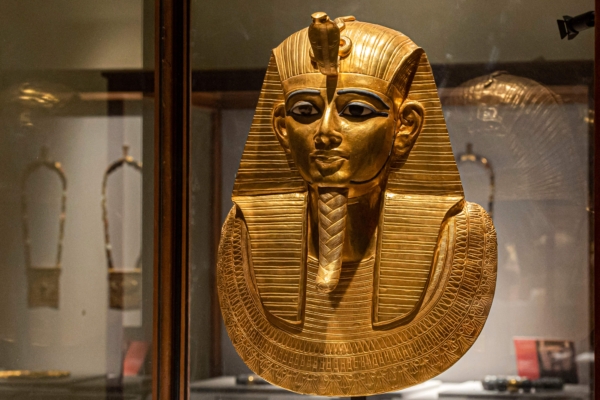
The bracelet was originally scheduled to be displayed at the “Pharaoh’s Treasure” exhibition at the Scuderie del Quirinale in Rome starting in October, alongside over a hundred precious items relocated from Luxor and Cairo museums. The tomb of Psusennes I is one of the few important pharaonic tombs, following Tutankhamun, that remains “undisturbed.” It contains over a thousand items, including silver coffins, a gold mask, jewelry, and various containers, making it one of the most illustrious royal burials in Egyptian history.