
The 2026 local elections in Taiwan concluded on November 28, evoking significant emotions among overseas Taiwanese communities. Even from afar in Los Angeles, Taiwanese expatriates maintained a keen interest in the election outcomes. Despite the vast distance of the Pacific Ocean, they kept updated on the ballot counting through television and live streaming on the internet. Both the Kuomintang (KMT) and the Democratic Progressive Party (DPP) branches in the western United States organized events to watch the results unfold, bringing together expatriates in an atmosphere of solidarity and anticipation.
The DPP’s western U.S. branch held its election night event from 10 PM on November 27 to 2 AM on November 28 at the Taiwanese senior center in San Gabriel. The gathering was led by DPP spokesperson Wu Zhaofeng and drew over 50 participants who stayed up all night to observe the ballot counts. The organizers even prepared commemorative items themed around “caution and respect” for those who registered to attend.
Simultaneously, the KMT’s southwestern branch held its own “Taiwan 2026 Nine-in-One Election Night” event at the Wei Bo Cultural Center in El Monte, from midnight to 3 AM on November 28. Hosted by Yang Zhennan, around 50 expatriates who were concerned about Taiwan’s elections gathered to await the results, with many staying until 5 AM.
The nine-in-one elections this year involved the selection of six city mayors and 16 county heads, with particular attention focused on the race for mayor of Taipei. KMT candidate Jiang Wanan won re-election with approximately 780,000 votes, translating to a 53.72% share of the votes. DPP candidate Shen Boyang received over 660,000 votes, with a percentage of 45.69%, and subsequently conceded defeat, recognizing that the true winner was democracy in Taiwan.
In the election results for the major cities, both the KMT and DPP secured three mayoral seats each. The KMT claimed victories in Taipei, New Taipei, and Taoyuan, while the DPP took the cities of Taichung, Tainan, and Kaohsiung. Among the 16 counties and cities, the KMT won control of eight seats, the DPP won seven, and Hsinchu City was secured by independent candidate Gao Hong’an.
One of the noteworthy results came from Yunlin County, where the contest was initially tightly contested. By around 11:20 PM that night, the counting was completed, resulting in the DPP candidate Liu Jianguo securing the win, marking one of the highlighted results in the later phases of the election.
Additionally, national referendum measure 22 to “abolish the non-nuclear homeland” received 61.99% approval and surpassed the five million votes threshold, thus passing the referendum.
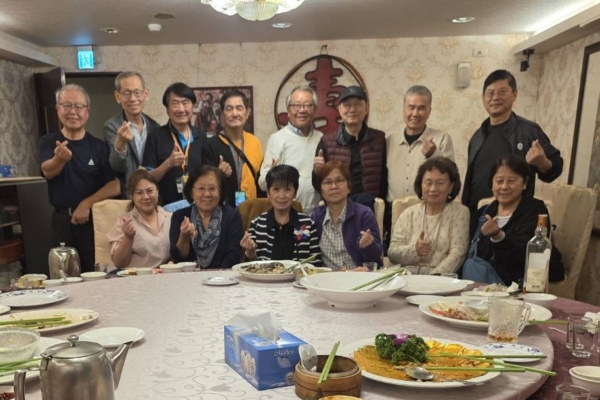
Expatriate advisory committee member Hsieh Chuan-Tso, who traveled back to Taiwan to vote for his preferred candidate, expressed his happiness about the outcomes of Taiwan’s democratic elections and the civility of its people. On election night, he dined with compatriots in Los Angeles while watching the live ballot counting on television. He eagerly shared the moment of celebration when Jiang Wanan’s victory was confirmed, noting that at 3 AM in Los Angeles, many people, including himself, were still awake, with his messaging app buzzing with congratulatory notes.
Another expatriate, Mrs. Chen, who frequently travels between Taiwan and Los Angeles, decided to stay in Kaohsiung to vote before returning to L.A. Although she felt regret over Shen Boyang’s defeat, she was pleased to see DPP candidate Lai Ruolong win in Kaohsiung. With the DPP expanding its governance from five to ten seats in the local elections, she viewed this as both a valuable victory and a challenging endeavor.
For overseas Taiwanese, local elections resonate not only with the governance of Taiwan over the next four years but also mirror the political support for different parties across various regions. The election night events in Los Angeles provided an opportunity for expatriates unable to return to Taiwan to vote, allowing them to monitor the elections closely alongside fellow countrymen. Through the challenges of time zones, they remained steadfast in waiting for the latest updates from Taiwan, united in their commitment to their homeland’s democratic processes.