
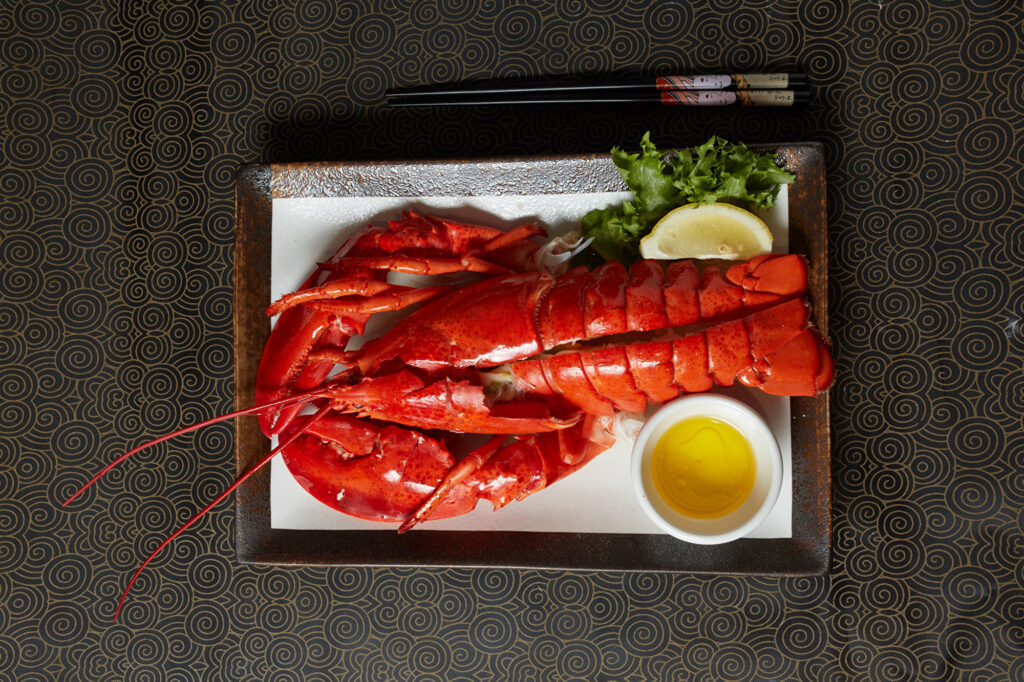
Recently, a proposal was introduced by New York City council members to prohibit restaurants from boiling live lobsters and crabs. This regulation, if enacted, would significantly alter how seafood is handled in dining establishments. Industry professionals have voiced strong opposition, arguing that the measure does not align with practical kitchen operations. On the other hand, advocates of the proposal contend that boiling lobsters alive constitutes an act of animal cruelty.
The proposal was jointly introduced by City Council members Oswald Feliz and Harvey Epstein. Should it pass and become law, it would forbid food service venues from placing live crustaceans, such as lobsters and crabs, directly into boiling liquid for cooking. Violators of this regulation would be committing a legal offense.
Once officially legislated, the new rule would take effect within 180 days. First-time offenders would receive a warning, while repeat offenders could face fines of up to $100.
This proposal draws on concerns for animal welfare and research regarding the sensitivity of crustaceans to pain, calling for the food industry to adopt alternative handling methods or more humane slaughter practices.
In an interview with a popular local newspaper, Councilman Feliz articulated, “Some people believe that lobsters do not feel pain. If they truly don’t, then why do they struggle so violently and try to escape when being dropped into boiling water?”
Feliz further asserted, “Any act of boiling an animal alive is inherently an act of cruelty. I want to clarify that this legislation will not remove lobsters from menus or prevent anyone from eating lobsters. Everyone will still have the freedom to enjoy lobsters; they can eat as many as they wish.”
Despite the support from animal welfare advocates for the bill, many members of the restaurant industry have criticized it.
Zach Erdem, the owner of the restaurant “75 Main” in Southampton, expressed to a digital news outlet that if city officials wish to alter kitchen operations, they must involve industry leaders in discussions to adequately address the realities of the situation.
“I understand why people are against directly boiling live lobsters,” Erdem remarked. “My concern is that if the city government wants restaurants to change their methods of handling lobsters, chefs and restaurateurs should be part of the conversation. They should inform us about which methods meet the city’s animal welfare goals, how much these methods will cost to implement, and how smaller kitchens can realistically adopt these practices during busy dinner service.”
Erdem also pointed out that lawmakers should prioritize addressing the burdensome financial challenges and administrative hurdles that small business owners face when operating in New York.
“When I consider opening a restaurant in Manhattan, my priorities are rent, employee wages, food costs, and how long it takes to obtain a business license,” he noted.
According to quotes attributed to Erdem, the proposal regarding “boiling lobsters” could potentially prompt him to abandon plans to open a restaurant in Manhattan altogether.
“I love New York, but when politicians start caring more about lobsters than about the people struggling to make a living, it’s clear that something has gone terribly wrong. Lobsters may be safe, but the restaurant industry is being boiled alive!” he exclaimed.
Angelo Vivolo, a well-known figure in the New York Italian dining scene, deemed the proposal absurd. Vivolo believes others in the restaurant industry would share the same reaction to this initiative.
As this debate continues, it is clear that the implications of such regulations cannot be taken lightly, as they resonate throughout the culinary community, reflecting broader issues of animal welfare, economic viability, and the practical realities of restaurant operations. The outcome of this proposal could very well set a precedent that shapes not only the future of dining in New York City but also the ongoing discourse surrounding ethical treatment of animals in the culinary world.