
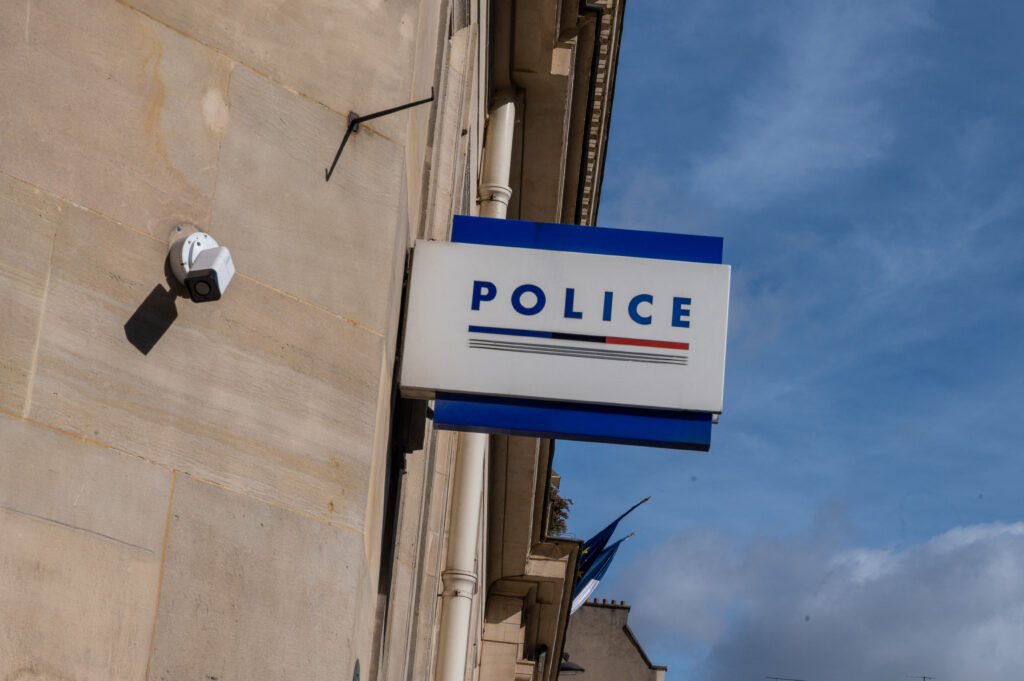
In a peculiar incident that has recently surfaced, police officers in southeastern France reached out for assistance from a shaman to cleanse their precinct of negative energies. The unusual event occurred in the town of Lourdes, where the local police department sought to alleviate the heavy stress and workload experienced by its officers.
According to the Cambridge Dictionary published by Cambridge University Press, a shaman is regarded as a person with special abilities, capable of interacting with both benevolent and malevolent spirits, especially within certain religious contexts. Utilizing these powers, shamans are believed to identify the root causes of ailments and misfortunes.
On October 31, officers from the Lourdes police station invited a shaman to perform a purification ceremony in response to complaints regarding staff shortages and overwhelming pressure at work. The innovative idea was reportedly suggested by one of the police officers, who felt that the precinct needed to rid itself of negative energy that had become pervasive among the team.
Rémi Gonzalez, a representative from the police union, stated, “The chief was merely trying to find a solution to lighten the burden on his colleagues.”
However, this extraordinary decision has sparked considerable skepticism from local officials. The government confirmed that the ritual had not been ordered by senior police officers, classifying it instead as a “personal initiative of the police” with all costs incurred personally by the officers involved.
Notably, Lourdes is a small town nestled at the foot of the Pyrenees, renowned globally as a significant pilgrimage site for the Catholic faith. The town draws countless visitors and devotees each year, primarily due to a 14-year-old girl’s assertions in 1858 that she witnessed the Virgin Mary appear to her on eighteen occasions.
Today, Lourdes remains a popular destination for many on August 15, the Feast of the Assumption, when numerous pilgrims flock to the site. This day is also recognized as a national holiday in France, providing a day off for even those who do not partake in the pilgrimage.
Through these recent events, it becomes evident that the blending of traditional practices into modern work environments is not as uncommon as one might think, highlighting the various ways individuals seek solace and solutions amid the pressures of contemporary life. What remains clear is that the pursuit of spiritual and emotional well-being transcends conventional approaches, capturing the attention of both the public and officials alike.