
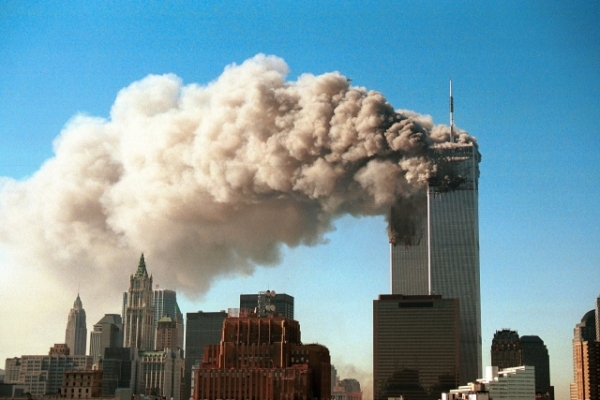
On November 22, 2026, New York City Mayor Mahmudani and the city’s legal department announced the release of an additional 84,000 government records related to the tragic events of the 2001 September 11 terrorist attacks. This recent release has contributed to the city’s dedicated 9/11 document portal, which now boasts over 440,000 pages of documents available to the public, and has surpassed 11 million independent visits. This marks the third batch of documents released following a court agreement reached between the city government and the 9/11 Health Watch organization, with plans for additional data to be gradually released in the coming months.
For many years, first responders, survivors, elected officials, and the families of victims suffering from related illnesses have been demanding that the government provide transparency regarding the air pollution, toxic substances, and debris in Lower Manhattan following the attacks. They have also sought insights into how the city government responded during that critical period. However, comprehensive disclosures of these records had been lacking for years. In September of this year, the Mahmudani administration launched the city’s first public portal for 9/11 documents, enabling the public to directly access long-sought documents, including the Harding Memo and the well-known 68 Boxes file.
This latest public release stems from an agreement reached between the 9/11 Health Watch organization and the Mahmudani administration. For years, this organization has pressed the New York City Department of Environmental Protection (DEP) and the Mayor’s Office for the disclosure of related records and has resorted to litigation under the Freedom of Information Law.
Benjamin Chevat, the Executive Director of 9/11 Health Watch, stated that the city is currently fulfilling some of its commitments under the agreement, but the documents released so far are merely the tip of the iceberg, and more documents are anticipated to be disclosed in the months ahead.
This ongoing effort to release records has been a significant advancement for advocates of 9/11 health initiatives. Following the collapse of the World Trade Center towers in 2001, a considerable amount of construction dust and toxic substances spread throughout Lower Manhattan, exposing rescue workers, cleanup crews, and nearby residents to harmful elements over an extended period. Studies have shown that the number of responders who have succumbed to illnesses such as cancer linked to the events of September 11 has already surpassed the 2,977 individuals who died on that fateful day.
Among the previously released documents, one of the most notable is the Harding Memo. This letter, written in October 2001 by a New York City attorney to Bob Harding, the Deputy Mayor for Economic Development at that time, highlighted the city government’s internal recognition, just weeks after the attacks, of the potential for thousands of lawsuits due to the large number of individuals who may have been exposed to toxic substances.
New Yorkers can access the publicly released documents through the city’s 9/11 document portal at nyc.gov/sept11docs. Furthermore, Mayor Mahmudani’s budget proposal for the fiscal year 2027 has allocated $34 million to establish and maintain this portal, supporting ongoing efforts for document organization and public access.
As the initiative progresses, it is hoped that greater transparency regarding the aftermath of the September 11 attacks will provide some measure of justice and closure for those affected by this national tragedy.