
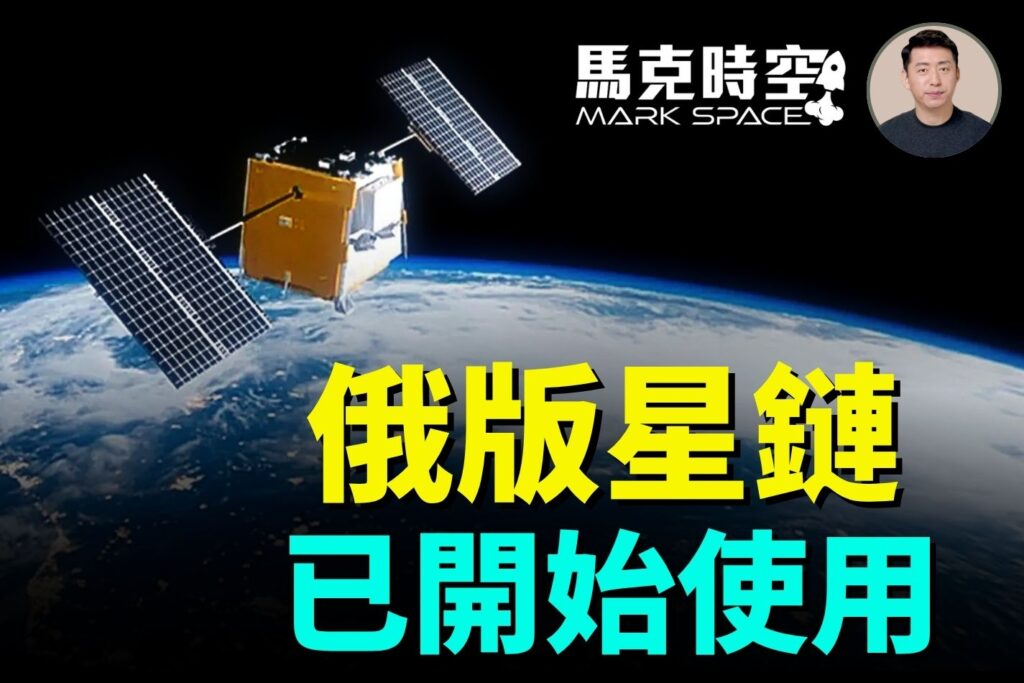
On November 6, the Ukrainian Ministry of Defense’s Main Intelligence Directorate confirmed that Russia has been utilizing its “Rassvet” satellite system for military purposes over Ukrainian airspace. This low-earth orbit satellite network, often referred to as Russia’s version of Starlink, may enable the Russian military to remotely control long-range strike drones, effectively circumventing Ukraine’s expertise in electronic warfare.
Earlier this year, a collaborative effort between Ukraine and SpaceX rendered all Starlink terminals in the hands of the Russian military inoperative, leading to a significant halt in their offensive capabilities. The Rassvet satellite system represents Russia’s attempt to reclaim what it considers the “communication switch rights.” Despite currently having only 30 satellites in orbit, the Russian military has reportedly begun testing its ability to remotely operate long-range drones through this system.
While the Rassvet satellite system may never achieve the same level of capability as Starlink, what Russia seeks is functionality that is “good enough,” akin to the GLONASS satellite positioning system. This highlights a shift in the military’s strategic objectives, focusing on immediate operational needs rather than striving for technological parity with Western systems.
In addition to the military implications, this development raises broader concerns about the ongoing technological race in satellite communications and military capabilities. As countries like Russia attempt to enhance their capabilities through alternative systems, the potential for increased conflicts and tactical advantages becomes a crucial aspect of modern warfare.
The evolving landscape of military communications necessitates close monitoring and analysis, as both Ukraine and Russia adapt to the rapidly changing environment. The emphasis on securing communication channels will likely continue to be a focal point of strategic planning for both sides.
For further insights and updates on this topic, various multimedia sources can be explored, including dedicated channels on platforms such as Facebook and Instagram, where discussions on these developments are actively ongoing. These channels aim to provide a clearer understanding of the situation, ensuring that audiences are well-informed about the implications of such technological advancements in the military domain.