
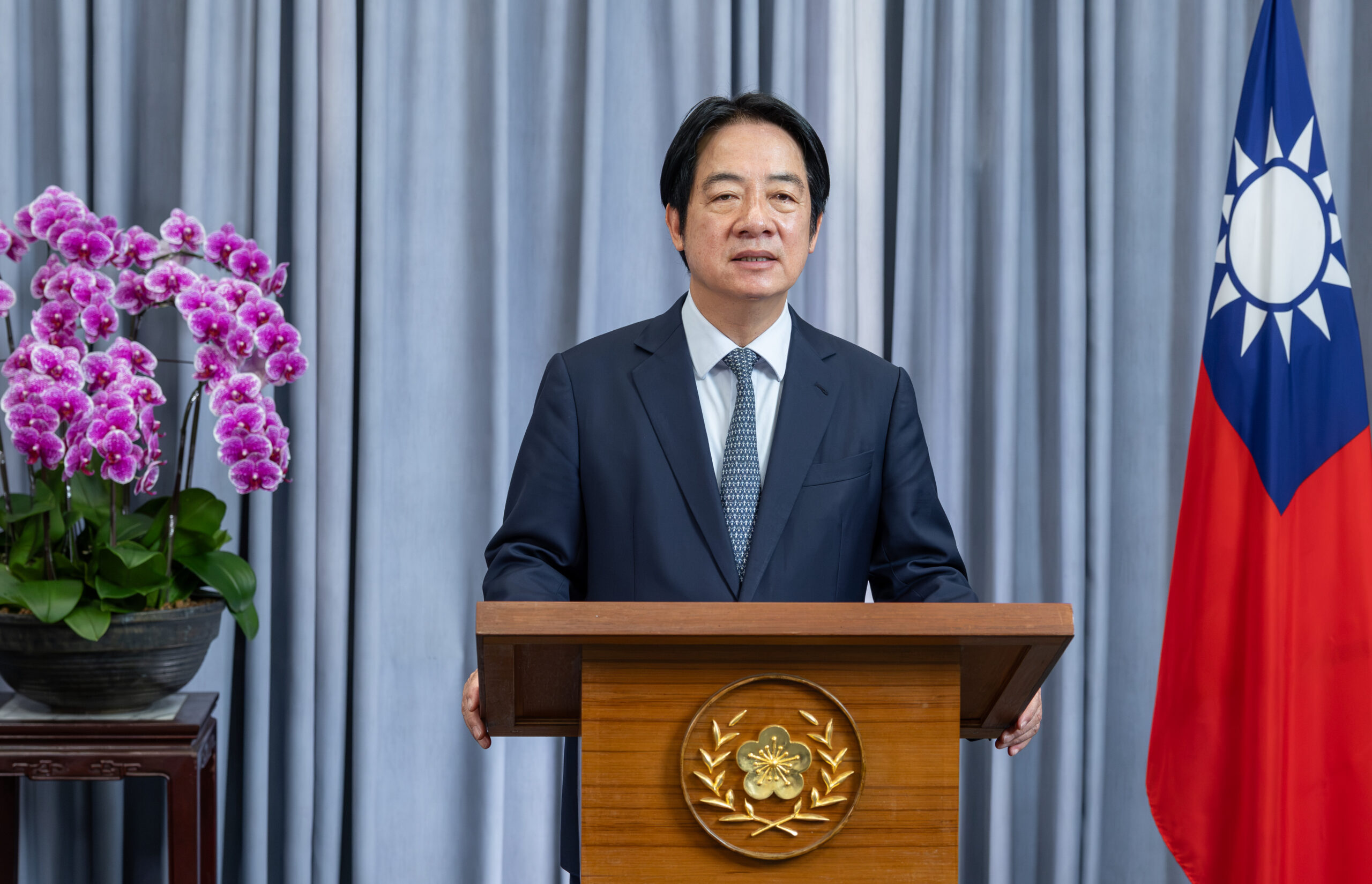
In recent developments, Taiwan’s President and Democratic Progressive Party (DPP) Chair Lai Ching-te has expressed significant concerns regarding a surge of suspicious accounts on social media platforms. These accounts, registered with overseas phone numbers but indicating their locations as Taiwan, have raised alarm bells about potential undue interference in the democratic electoral process. Lai emphasized the importance of protecting the integrity of democratic elections and urged all party officials and candidate teams to remain calm and vigilant in the face of disinformation and malicious attacks.
During the DPP’s 22nd Central Committee meeting, spokesperson Wu Cheng relayed Lai’s remarks following the conclusion of televised debates for mayoral candidates in Kaohsiung and Taipei, which took place last week. Lai noted that these debates not only garnered attention nationwide but also provided a vital platform for voters interested in the future of their cities to engage with the candidates’ policy proposals through television and online broadcasts.
Lai articulated that the fundamental purpose of democratic elections is to enable the public to rigorously evaluate the ideologies and policies of various candidates. Through careful comparison, voters can select the candidate best suited to improve their quality of life and meet their expectations for local development.
Throughout the election cycle, Lai has consistently reminded DPP candidates and their campaign teams to uphold a positive and transparent electoral approach. He urged them to communicate effectively with the public by discussing policies and sharing their visions for local development, thereby fostering recognition and trust among the electorate.
He further clarified that election debates are distinct from typical debate competitions, emphasizing that the goal is not merely to outmaneuver opponents or showcase superior debating skills. Rather, the essence of these debates lies in allowing candidates to demonstrate their democratic values and articulate their visions for the city’s future. This engagement is crucial for helping voters gain a comprehensive understanding of the candidates’ positions.
Lai highlighted that during last week’s television debates, DPP candidates Lai Rui-long and Shen Bo-yang effectively utilized the public platform, maintaining a calm and sincere demeanor while addressing municipal issues with their opponents. Their clear articulation of policy positions enabled voters to make informed comparisons and consider potential governance models for their cities.
Moreover, Lai reiterated his previous warnings about the potential rise of disinformation and malicious tactics as elections approach their final stages. He noted that these deceptive practices could become increasingly sophisticated and varied.
He pointed out a concerning trend of suspicious accounts on social media, which have emerged recently with overseas registrations yet claiming to be based in Taiwan. Many of these accounts appeared simultaneously and exhibited a consistent pattern of behavior, engaging heavily in discussions on various social platforms and attempting to sway public opinion through relentless commenting and spamming tactics.
Additionally, Lai revealed that some candidate teams have reported experiencing malicious saturation attacks on their official websites, aimed at disrupting normal operations by overwhelming the sites with unusual traffic. This disturbance has been noted in several cities, including Taipei, Kaohsiung, and Hsinchu. These incidents go beyond typical electoral maneuvers, posing serious threats to cybersecurity and the fairness of democratic processes.
Beyond election-related issues, Lai has observed an influx of misleading information circulating in closed social media groups about public policies, including cash distributions, health insurance waivers for seniors over 65, and legislation against drug-impaired driving. The spread of these inaccuracies at this critical juncture can mislead the public, leading to misguided judgments that foster distrust and division within society, ultimately impacting voters’ decision-making.
Lai urged all party officials and candidates to remain composed and alert when confronted with false information and malicious disruption efforts. He also called on supporters to effectively utilize official websites and dedicated channels for fact-checking, encouraging them to actively verify information and share accurate details with family and friends to prevent the further spread of misinformation.
In conclusion, Lai stressed that democratic elections must not be subject to improper interference. He asserted that the electoral process should empower citizens to make choices based on candidates’ policies, qualifications, and performances, rather than being swayed by disinformation or malicious manipulations that could distort the electoral choices of the Taiwanese people.