
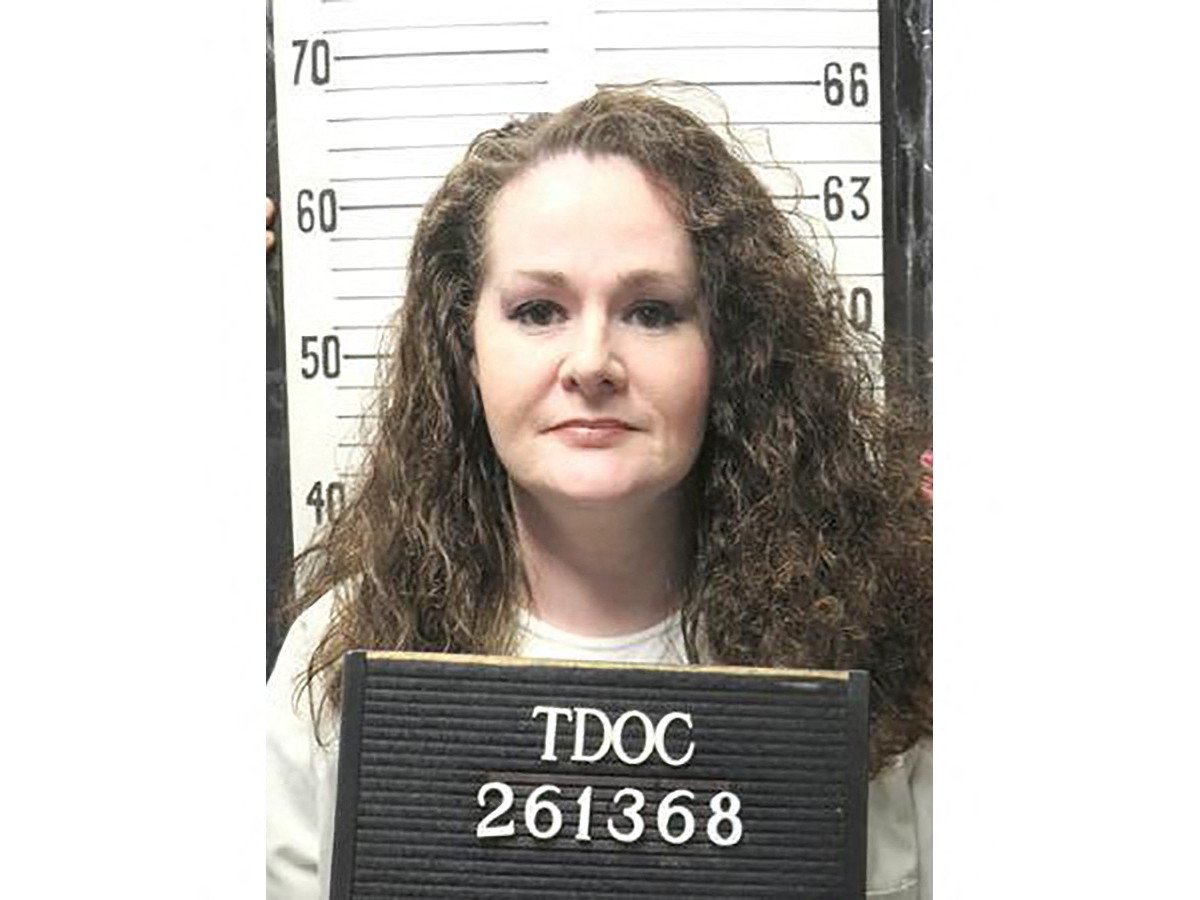
NASHVILLE, Tennessee – A released 911 call recording on Monday, October 12, revealed the chaos in communication between emergency responders and prison officials following a failed execution by lethal injection of Christa Pike at the end of last month in Tennessee, resulting in Pike receiving urgent medical assistance half an hour later.
According to the call logs released by the Nashville Emergency Communications Center (DEC), the first emergency call regarding Pike’s execution on the evening of September 30 was received at 8:40 p.m. local time, over an hour after the lethal injection had begun.
The caller informed the 911 dispatcher, “We have been carrying out the execution tonight. We have administered 10 grams of pentobarbital. This person has not died yet. The execution started approximately 1 hour ago. We are now requesting an ambulance.”
The dispatcher asked the caller for a verification code, but they claimed not to have one. Verification codes are used to help verify the authenticity of the caller’s report.
Subsequent call records between the Nashville Fire Department, Metropolitan Nashville Police Department, Tennessee Highway Patrol Dispatch Center, and the Tennessee Department of Corrections Central Control Center were made public, as the 911 center attempted to confirm whether there was an emergency situation at the prison where Pike was being executed.
However, at 9:03 p.m., a dispatcher stated, “We have been advised by the supervisor of this communications center that this is a false alarm call. Riverbend Prison does not require medical assistance.”
It wasn’t until close to 9:11 p.m. that prison officials confirmed the situation was real and started allowing emergency responders to enter the prison gates. By this time, approximately half an hour had passed since the initial 911 call.
The delay in Pike receiving treatment that night was not only due to the confusion during the verification process but also due to the confusion regarding applicable regulations or laws.
According to the protocol for administering lethal injections in Tennessee, if the first dose of pentobarbital fails to cause death, a second dose is to be administered; however, the protocol does not clearly specify what to do if the inmate remains alive after receiving the second lethal drug.
Based on the phone recordings, Pike’s lawyer also called 911, with one call made at 9:08 p.m. The lawyer informed the dispatcher that Pike was “still alive, breathing, and in need of immediate lifesaving care.”
The nonprofit organization Death Penalty Information Center stated that Pike is the only known person in the United States to have survived after undergoing execution.
After receiving treatment at the hospital for 10 days, she returned to the prison on October 10 and will continue to receive medical care there.