
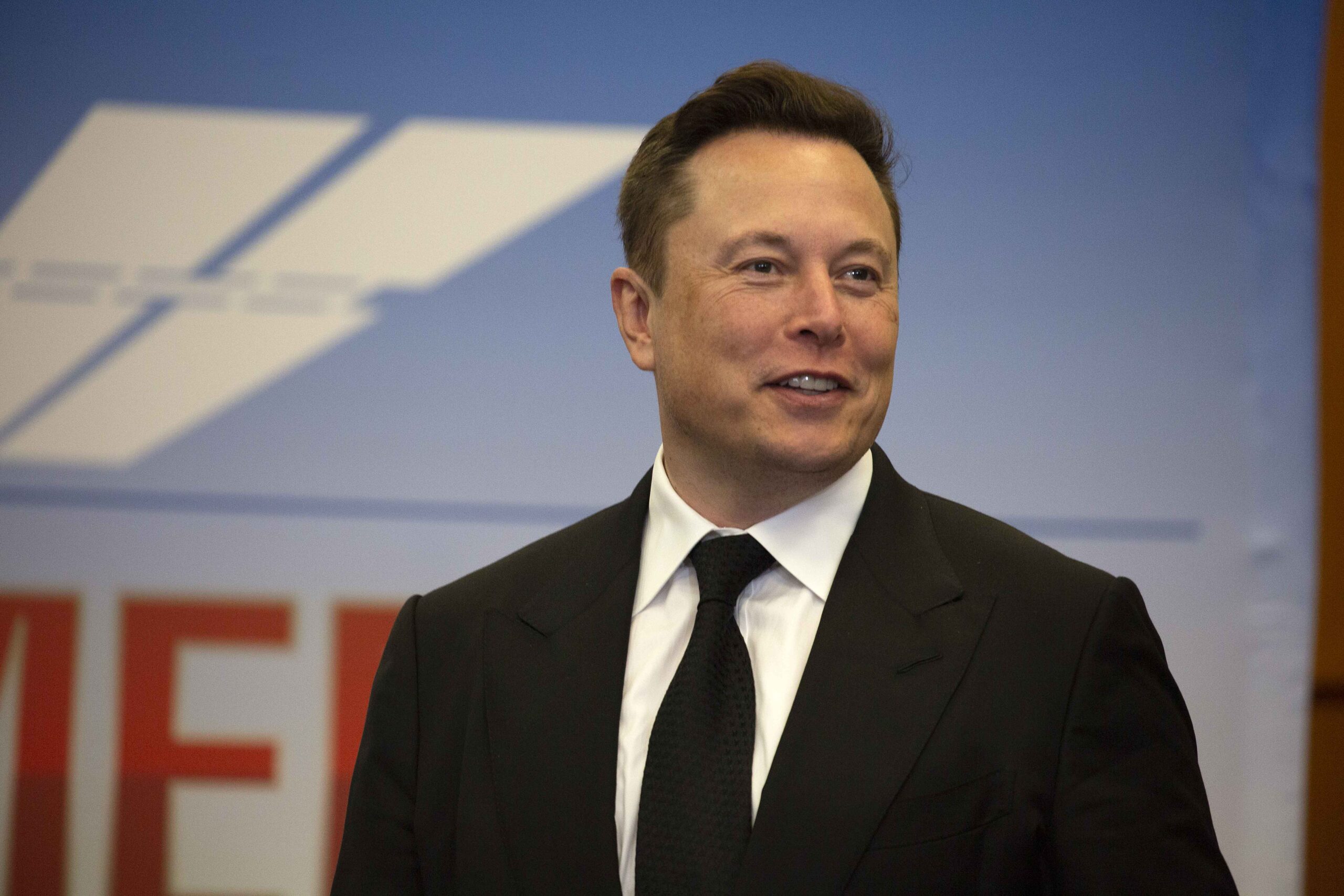
Elon Musk, the CEO of Tesla, predicted on Tuesday (September 29th) that in the near future, due to the rapid development of artificial intelligence (AI) and robotics, work may no longer be necessary for humans, and money may lose its meaning. He also offered advice on how young people should face the future.
During the U.S.-Saudi Investment Forum held in Washington on Wednesday, Musk stated that in the next 10 to 20 years, advanced AI and robotics technology could make work obsolete. While some people may still choose to work, it might be more of a hobby rather than a necessity for survival, similar to growing vegetables in one’s backyard.
He also pointed out that money might lose its significance over time. Although physical limitations such as electricity and available resources will still exist, currency might no longer be the primary mechanism for distributing goods and services.
This is not the first time the 55-year-old entrepreneur has made such predictions. During an interview with The Economist in August, he made even more radical predictions.
Musk stated that by the year 2036, in just ten years, money may become irrelevant. The existence of money serves the purpose of acquiring goods and services, and if goods produced by AI and robots surpass human consumption capabilities, the demand for money will decrease.
He estimated that in about five years, AI’s capabilities could exceed the total sum of human intelligence, leading to a “wondrous age of abundance.” People would have access to a vast array of goods and services.
Describing the future economic model of humanity, Musk termed it as a fusion of digital intelligence and physical intelligence.
He emphasized that while digital AI is rapidly advancing, impacting the physical world requires a significant number of robots. By integrating robots with powerful AI models, almost limitless production of goods and provision of services can be created.
He predicted that within the next decade, there will be one billion humanoid robots, with an exponential growth in numbers afterward. Tesla itself is actively advancing its humanoid robot project called Optimus. This goal has also been included in Musk’s compensation plan.
When asked how people would live as robots automate production on a massive scale, Musk presented a vision of “universal basic income.”
He explained that if the output of goods and services grows faster than the supply of money, the government could directly distribute money to citizens, anticipating deflationary pressures rather than inflation.
Regarding how young people should face the future, Musk advised that they should pursue a broad education including arts, science, and engineering. This would enable them to clearly communicate their needs to AI robots and excel in “cue engineering.”
He stated that future AI will listen to any requests humans make.
Musk also emphasized that while the path to this future might have challenges, the current pace of technological change in AI and robotics is far faster than previous waves of automation.