
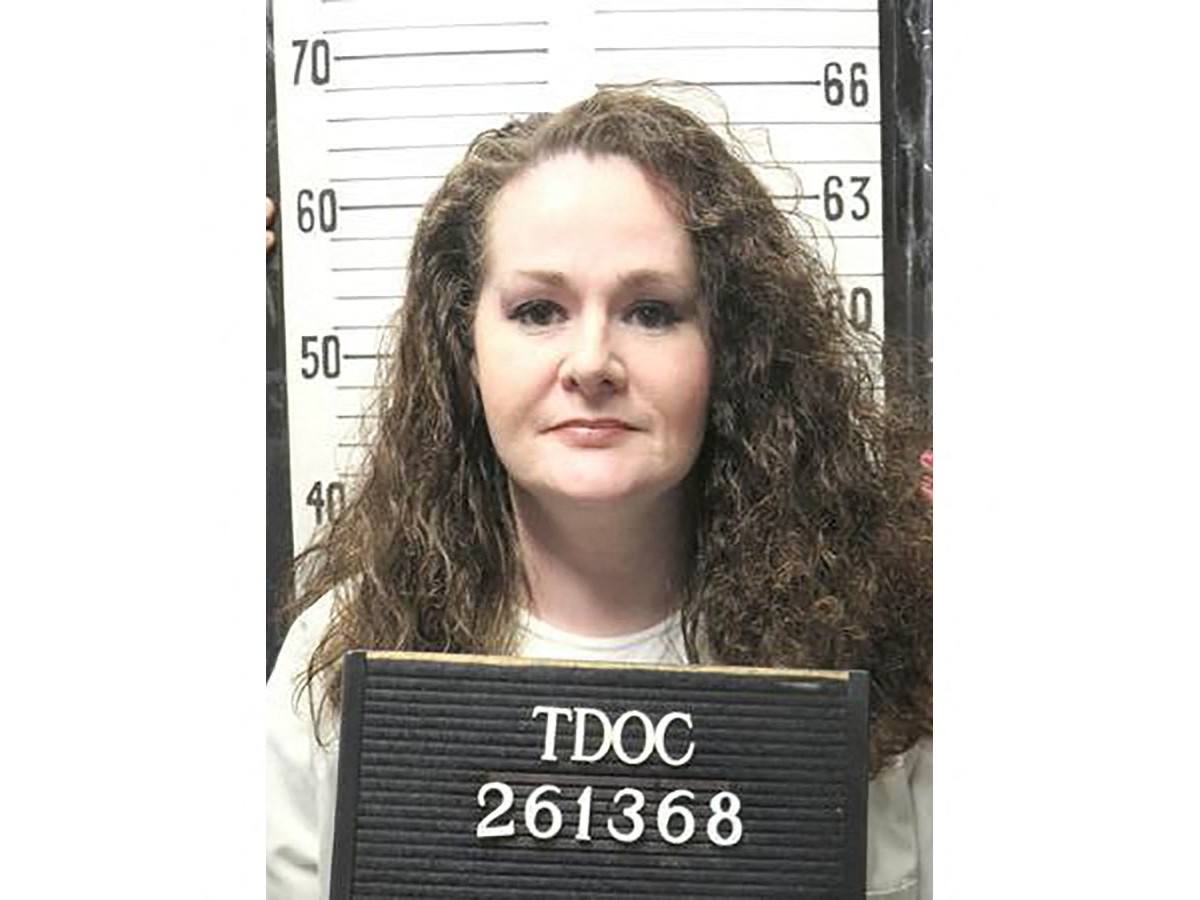
On Wednesday evening, September 30, in the state of Tennessee, the execution by injection of 50-year-old death row inmate Christa Gail Pike did not proceed as expected. Despite receiving two doses of lethal drugs, Pike did not die and continued to emit sounds of snoring and gasping.
This rare execution failure incident shocked the nation, leading Tennessee Governor Bill Lee to immediately announce a halt on all remaining executions for the year and ordered a comprehensive investigation.
This marked the second major execution mishap in Tennessee this year. In May, another death row inmate, Tony Carruthers, saw his execution halted due to difficulties in establishing a vein for injection.
The execution began at 7:27 p.m. local time on September 30 at the Riverbend Maximum Security Institution in Nashville. Witness accounts described Pike being restrained on the execution bed and making a calm statement before the process started. However, during the injection, Pike raised concerns about the discomfort in her arm and exclaimed that her veins felt like they were about to burst.
By 8:26 p.m., the second dose of drugs had been administered. Despite expectations, Pike’s heart did not stop as planned. Witness reports, along with statements from lawyers, mentioned that until the microphone was cut off at 8:53 p.m., Pike’s heavy snoring and breathing could still be heard behind the closed curtains.
Pike’s legal team immediately filed an emergency motion with the court, highlighting that despite two injections, Pike was still alive and snoring. They emphasized concerns over technical and managerial flaws, such as incorrect vein access, vein rupture, and potential issues with the administered drugs, stating a severe violation of her rights against cruel and unusual punishment as guaranteed by the Constitution.
Eventually, Pike received emergency measures like CPR within the prison before being transported by ambulance to an external hospital.
The case dates back to January 1995, when 18-year-old Pike and her 17-year-old boyfriend, Tadaryl Shipp, brutally tortured and killed their 19-year-old classmate, Colleen Slemmer, in Knoxville at a vocational training center. Pike was sentenced to death in 1996, becoming the only female on death row in Tennessee, while Shipp, being underage at the time of the crime, received a life sentence.
On the scheduled execution day, Pike’s defense team engaged in last-minute legal battles, submitting a 226-page clemency petition, citing severe childhood sexual abuse and neglect, as well as diagnoses of bipolar disorder and PTSD during her incarceration.
Although the U.S. Court of Appeals for the Sixth Circuit initially issued a stay of execution, the Supreme Court overturned it, clearing the way for the execution to proceed.
Robin M. Maher, the director of the Death Penalty Information Center (DPIC), noted that while there have been instances where executions were interrupted due to vein access issues, Pike’s survival post-injection was unprecedented and deemed a unique and incomparable failure in U.S. execution history.
Following the incident, Tennessee Department of Correction (TDOC) spokesperson Dorinda Carter stated that the department strictly followed legally approved procedures and did not authorize any additional interventions beyond the two doses of drugs.
Governor Lee subsequently announced a third-party comprehensive review to ascertain the specific reasons behind the failure and suspended all remaining execution plans for the year. He emphasized that carrying out lawfully imposed sentences is one of the state’s most solemn duties, and Tennessee residents expect this task to be not just legal and constitutional but also effectively executed.
(References include reports from the Associated Press, Reuters, BBC, CNN, and the Emirates News Agency)