
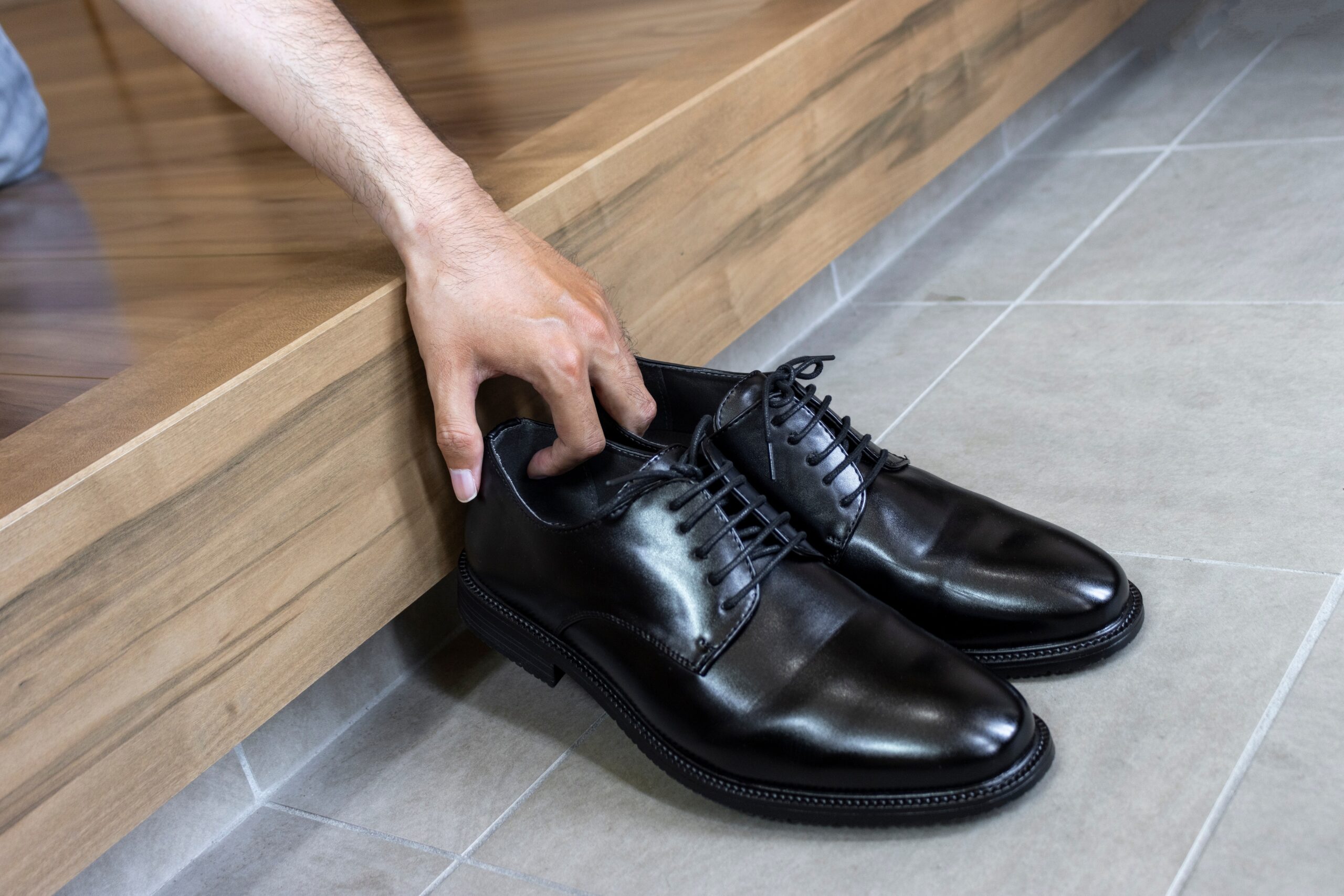
Many households have carpets or tiles inside, and people often walk barefoot or in slippers at home. Therefore, it is natural for them to request guests to take off their shoes when visiting. But is it impolite to do so?
A study published in 2023 showed that all tested shoe soles were contaminated with microorganisms, including bacteria, fungi, and fecal matter. When people walk indoors wearing shoes, these microorganisms are brought inside, with carpets being particularly prone to trapping them. Therefore, researchers suggest that people should take off their shoes when entering indoors.
Primary author of the study, Alessandra Leri, mentioned in an interview with Smithsonian Magazine that it is common sense for people to take off their shoes before entering inside.
A survey conducted jointly by CBS and the market research company YouGov in 2023 found that two-thirds of Americans take off their shoes at home. However, only one-third of them would ask visiting guests to do the same.
Is it considered impolite to ask guests to take off their shoes? The vast majority (90%) of respondents in the survey stated that if asked by the host to remove their shoes when visiting, they would not find it unreasonable.
However, in real-life scenarios, asking guests to remove their shoes may make them feel unwelcome or distant, and it could carry a touch of superiority. Particularly with unfamiliar individuals, this feeling may be more pronounced. It’s one thing to ask close friends or family members to remove their shoes, but it’s a different matter when it comes to requesting supervisors or business associates to do so.
Guests may feel embarrassed due to foot odor, unmanicured feet, foot ailments, or unusual toe shapes. Additionally, some people coordinate their entire outfit around their shoes, and taking them off could disrupt their overall look.
In the event that guests are unwilling or unable to remove their shoes, one can mitigate bacteria by cleaning the floors. Studies have shown that mopping can eliminate about 80% of outdoor bacteria brought inside, while disinfection can eradicate 95% to 99%.
Charlotte Hilton Andersen mentions that asking guests to remove their shoes is not a black-and-white issue; it requires compromise. Before implementing such a rule, consider the following factors:
• Individual Circumstances
Some people may need to wear shoes for balance, mobility, or health reasons. Avoid asking guests to do something that may inconvenience or harm them.
• Occasion
Requesting casual visitors to remove their shoes may be appropriate, but it might seem impolite to ask guests attending a formal party or holiday celebration to do so. After all, if the party were held elsewhere, shoe removal may not be required.
• Season
Although shoes are dirty year-round, they may be dirtier during rainy or snowy weather. There’s a significant difference between summer sandals and winter boots.
• How the Request is Made
Some may place a sign at the door instructing guests to remove their shoes before entering; others may casually mention it upon arrival; and some meticulous hosts may inform guests in advance. Whichever approach you choose, it should be polite and friendly—asking guests only once they enter the house is not adequate.
• Making Guests Comfortable
Some hosts provide indoor slippers or shoe covers, showing thoughtfulness. Others offer a bench at the entrance for guests to sit and change their shoes or provide shoe racks or mats for comfortable shoe removal.
Anderson states that if someone refuses to take off their shoes, it should be accepted. In the grand scheme of things, it’s a minor issue that isn’t worth arguing over.
In conclusion, asking guests to remove their shoes is not impolite as long as you do so politely, provide alternatives, consider individual circumstances, and are willing to accept refusal.
According to Japan Living Guide, in Japanese households, it is customary for guests to remove their shoes when entering—known as “genkan etiquette.” This practice is deeply rooted in Japanese daily life for two primary reasons: cleanliness and respect.
Removing shoes before entering helps keep the indoor environment clean by leaving dirt from the shoe soles outside, which is crucial for maintaining traditional tatami floors that are easily damaged or stained but difficult to clean. Despite modern Western-style homes in Japan, many households preserve at least one room with tatami flooring that requires special care.
Moreover, the high humidity during Japan’s rainy season poses challenges for flooring, including tatami. To prevent issues like mold, taking off shoes before entering is essential to avoid bringing excess moisture and humidity inside.
The second reason for “genkan etiquette” is to show respect. While contemporary society is less strict regarding this practice, not removing shoes in someone else’s home might still be considered impolite. In Japan, wearing shoes inside rental properties, including monthly apartments, is strictly prohibited. Violating this rule may result in breach of contract and high cleaning fees.
In essence, understanding and respecting cultural differences and customs around shoe removal can enhance interactions and foster mutual understanding between hosts and guests.