
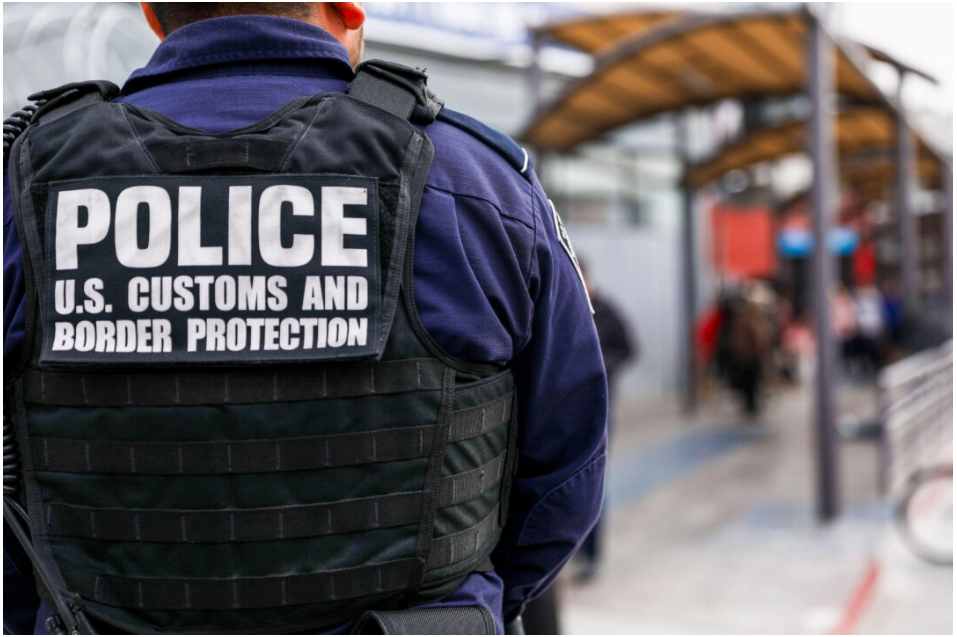
The U.S. Customs and Border Protection (CBP) recently announced that in two separate operations at Chicago’s O’Hare International Airport last week, a total of 1,172 pounds of khat (Catha edulis) were seized from three passengers.
On August 19, two passengers from Senegal were going through customs at O’Hare Airport before catching a connecting flight to LaGuardia Airport in New York. During a second inspection, CBP officers found 167 packages of khat hidden in pink plastic bags in their luggage, weighing a total of 755 pounds.
The next day (August 20), CBP officers conducted a second inspection on another passenger, also from Senegal, and discovered 93 packages of khat wrapped in aluminum foil inside pink plastic bags, weighing a total of 417 pounds.
All three individuals were arrested and charged with trafficking controlled substances, as well as manufacturing or delivering Class I and Class II controlled substances exceeding 200 grams. CBP stated that the street value of the two shipments of khat is over $140,000.
Khat, also known as Abyssinian Tea or African Salad, is a plant that grows in East Africa and the Arabian Peninsula. Users typically chew khat leaves or brew them into a stimulant tea by drying and boiling them, which can produce effects similar to amphetamines.
Khat usually contains two central nervous system stimulants: cathinone (a Schedule I controlled substance) and cathine (a Schedule IV controlled substance). Overuse can lead to toxicity, with symptoms including hallucinations, loss of appetite, difficulty breathing, high blood pressure, and increased heart rate.
The World Health Organization (WHO) first classified khat as a Drug of Abuse (DOA) in 1980.
CBP noted an increase in recent attempts to smuggle khat into the U.S. through luggage. Khat has also been intercepted at other airports such as Baltimore-Washington International Thurgood Marshall Airport (BWI) and Dulles International Airport.
Dried khat can easily be mistaken for regular tea leaves in appearance and is often disguised as tea by drug trafficking groups for smuggling or sale. Travelers to Africa or the Middle East should be cautious and avoid consuming or chewing unknown sources of tea or plants. Bringing khat into the U.S. inadvertently could result in serious drug trafficking and possession charges.