
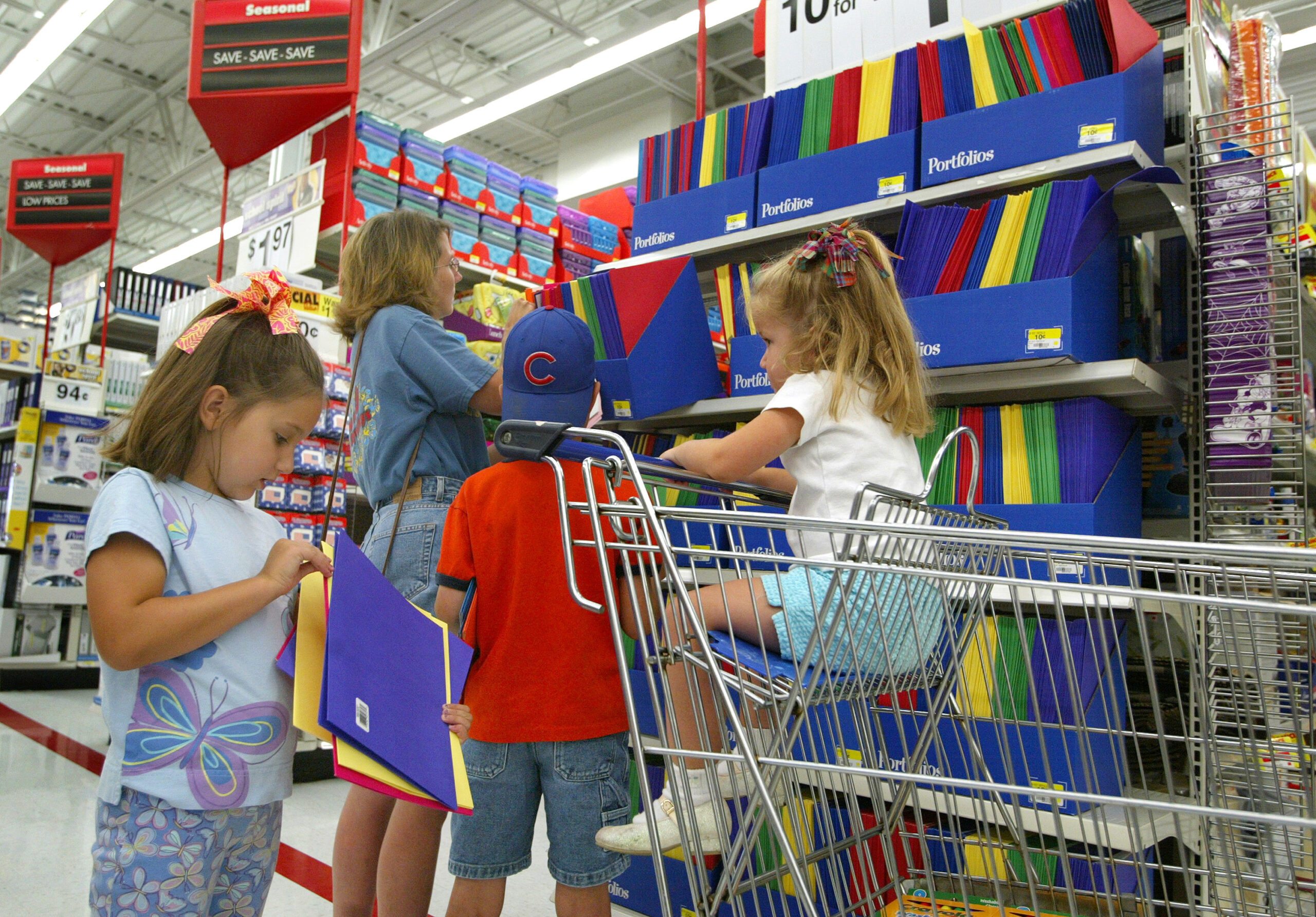
As the school autumn term approaches, many parents in Canada are expressing concerns about the increased back-to-school expenses this year. With the ongoing trade tensions between Canada and the United States, a new report indicates that due to fluctuating food prices, parents need to be flexible in preparing lunches for their children.
Canadian families are widely feeling the impact of rising back-to-school expenses. According to a report by Global News, a survey of nearly 1,400 parents of kindergarten to 12th-grade students revealed that 91% of respondents felt that school supplies and stationery had become more expensive. Among them, 53% described the prices as “much more expensive.” Many parents are actively seeking discounts, with 43% of respondents stating that finding the lowest prices was their top priority while shopping.
Sylvain Charlebois, Senior Director of the Agri-Food Analytics Lab at Dalhousie University, mentioned that retailers are currently competing for back-to-school season consumers, offering temporary price discounts to families. However, the real challenge may arise in the upcoming fall season, as seasonal pressures increase, and the promotional efforts of retailers may weaken.
He also cautioned that prices can vary by region, citing an example where a set of 12 school supplies in Quebec City costs $52.05, while the same set in St. John’s City is priced at $56.48.
With the continuous rise in living costs, another survey indicates that this year, 93% of Canadian children will bring their own lunches or snacks to school, causing food prices to also be a concern for parents.
The latest report from the Agri-Food Analytics Lab states that the “School Lunch Shopping Basket,” consisting of 12 common school lunch items, has seen a price decrease of around 2.8% compared to the previous month in August. Prices of bagels, bottled water, cheddar cheese, tuna, and peanut butter have decreased, offsetting some of the price increases of other food items. However, not all food items have become cheaper; for instance, the average price of orange juice has increased from $7 to $7.44.
Researchers pointed out that the price decreases may not last long, as different food items have varying price trends. Parents need to adjust their menus more flexibly when making purchases.
Parents can adjust the lunch contents weekly based on prices, such as choosing Greek yogurt, whole wheat bread, bananas, and carrots, which have stable prices recently. For proteins, parents can prepare two to three different options, such as tuna or cheddar cheese, which have seen price decreases. A simple student lunch can include a grain, a protein, a fruit or vegetable, along with water, and adjustments can be made according to the child’s needs, school nutrition, and allergy regulations.
“For families, the most effective strategy is flexibility,” said Janet Music, Coordinator of the Lab’s Research Program.
She suggested that parents rotate fruits and proteins weekly based on prices, compare unit prices, and take advantage of offers suitable for stocking up, while saving expenses without compromising nutrition and dietary diversity.
However, the report also warned that if international tariffs escalate further in the future, or if there are new disruptions in the supply chain, imported agricultural products, packaged foods, and fruit juices may face price pressures once again.