
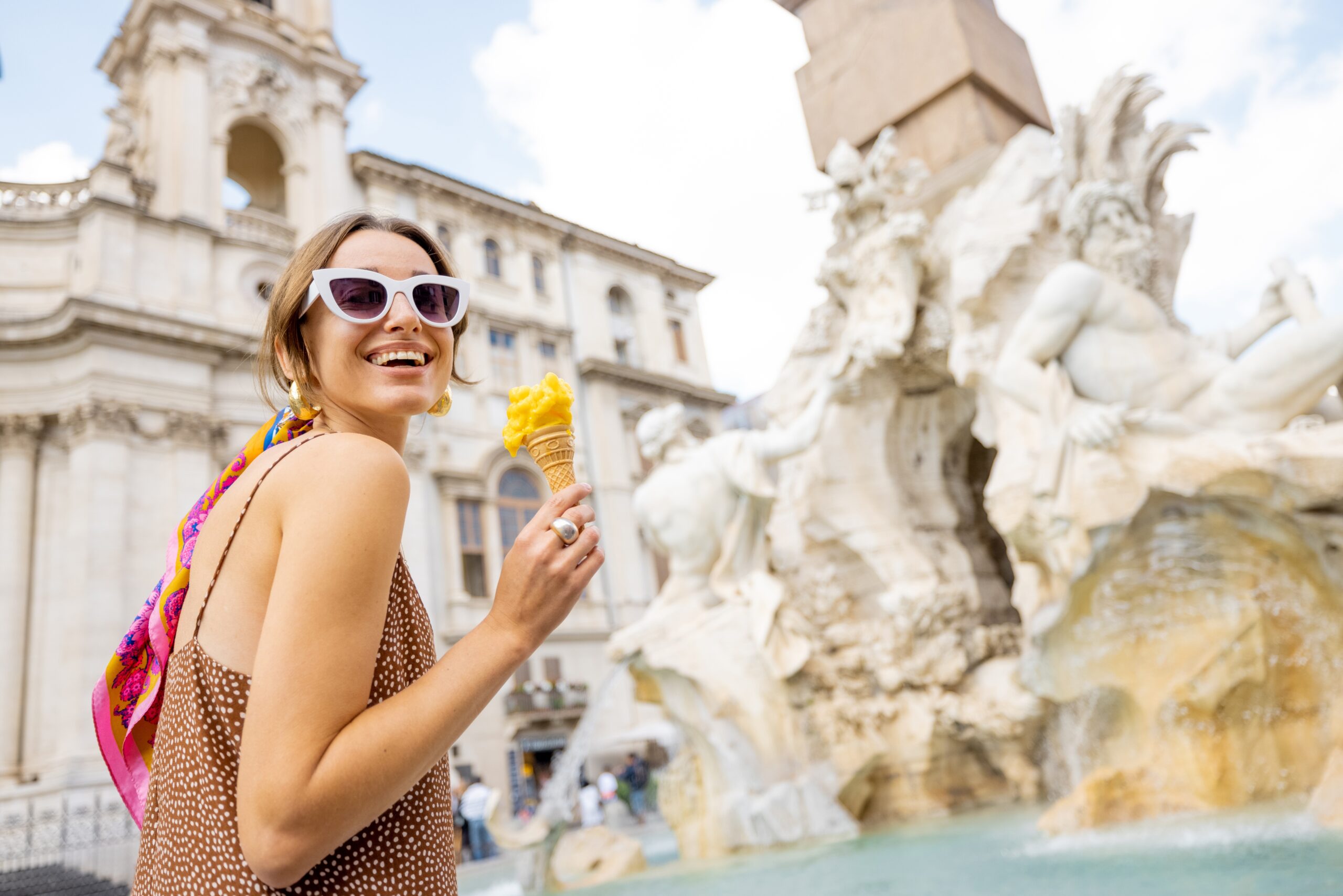
Italy, known for its long history, rich art and culture, and diverse cuisine, is one of the world’s famous tourist destinations with countless visitors every year. So, if you are planning to travel to Italy, what should you pay attention to? An experienced traveler who has been living in Italy for over 15 years shared some important etiquette tips for visiting the country, particularly when it comes to dressing appropriately.
Elizabeth Heath, a writer and editor born in the United States but residing in central Italy, has been providing insights into various aspects of Italian travel, culture, and culinary experiences through her writing. Recently, she shared some of the key etiquette suggestions for traveling to Italy in an article published in the U.S. magazine “Travel + Leisure.”
According to Heath, proper attire is a crucial element of visiting Italy, where fashion, design, style, and traditions hold significant importance. Dressing appropriately is not just a sign of respect and courtesy towards oneself, but also towards the people you meet and the places you visit in this fashion-forward country.
While it doesn’t mean you need a suitcase full of designer labels, leaving behind shabby or inappropriate clothing is advised. Here are some items she mentioned on the “do not wear” list:
– Avoid wearing flip-flops, as other diners around you would not appreciate seeing your dirty soles. Save these for the beach.
– Basketball shorts or sweatpants may be comfortable for long flights, but most Italians would not consider them suitable even for a trip to the grocery store, let alone a museum.
– Wearing a baseball cap can easily identify you as a foreigner. If you must wear one, make sure to remove it indoors, especially in restaurants and churches.
– T-shirts with prominent logos (such as your university or favorite sports team) are considered too casual for daily wear in Italy. Opt for simple, solid-color T-shirts instead.
– Miniskirts, ultra-short shorts, and low-cut tank tops may be appropriate for night outs, but they might look too revealing during the day and could even prevent entry into churches with dress codes.
Heath also previously outlined other important considerations in another article, highlighting five points:
– Dining times are typically later in Italy compared to other countries, with lunch usually around 1 p.m. and dinner starting at 7:30 p.m. or later. Some restaurants may not serve dinner until 7 p.m., so adjusting your meal schedule can enhance your authentic Italian dining experience.
– Sharing individual portions of Italian dishes is not common practice. Enjoying the food to the fullest, rather than limiting your appetite, is encouraged. If you have a smaller appetite, consider ordering a half portion of pasta as Italian dishes are usually not suitable for sharing.
– Italians tend to speak in lower voices during conversations to ensure privacy. When dining in a restaurant, people at neighboring tables do not want to hear detailed accounts of your travels, relationships, or pet stories. Keep your tone down and maintain a lower volume.
– Greeting strangers with eye contact and a hello is a social norm in Italy, especially in places like shops, restaurants, elevators, and anywhere with potential one-on-one interactions. This gesture is considered polite and respectful in Italian culture.
– Patience is a virtue in Italy, where meals can take hours, trains may run late, and even simple tasks like visiting the post office or seeing a doctor can be time-consuming. By avoiding overpacked itineraries and being understanding of delays, you can reduce stress and disappointment during your travels.