
The prices of new cars in the United States have continued to remain high in 2026, with the prices of used cars also steadily rising. Currently, it’s becoming increasingly difficult to find a used car priced below $20,000. Over the seven years from 2019 to 2026, among mainstream models, eight three-year-old best-selling cars have seen the largest price increases, including the most popular Toyota RAV4.
According to the automotive trading website Edmunds, the average transaction price (ATP) of new cars reached $48,402 in 2025, compared to $37,310 in 2019. This means that purchasing a new car that was affordable six years ago would now require an additional $11,000, representing a 30% increase.
The prices of used cars have also been on the rise. Since the last full year before the pandemic (2019), there has been a significant shift in the affordability of purchasing newer used cars. Currently, the average price of a three-year-old used car is $32,651, which is $9,027 higher than the average price in 2019 ($23,624), reflecting a 38.2% increase.
At the same time, the market share of three-year-old used cars priced below $20,000 has decreased from nearly half to only one-ninth. This has left used car buyers facing a dilemma: either pay a much higher price or opt for vehicles that are older (produced a few years earlier).
iSeeCars analyzed data on over 11.4 million used cars sold between 2019 and 2026 with ages ranging from 3 to 15 years, aiming to explore how the prices of used cars and the proportion of vehicles priced below $20,000 have changed with age and model.
Karl Brauer, an analyst at the automotive data website iSeeCars, stated, “The current prices of used cars strongly confirm the affordability challenges faced by consumers when buying a car.”
“Since 2019, the average price of three-year-old used cars has increased by $9,000, which means an annual increase of nearly $1,300 during these seven years,” he said.
Nowadays, in order to purchase a used car below $20,000, consumers have to consider older vehicles.
In 2019, nearly half of the three-year-old used cars could be purchased with a budget of $20,000; whereas in 2026, only 11.4% of the three-year-old vehicles are priced below this budget. Even when extending to vehicles aged five years, those priced below $20,000 account for only 26.6%, compared to 69.2% in 2019. These data indicate that the decrease in the availability of economically priced used cars is not limited to those with a shorter age.
Used cars priced below $20,000 now have an age threshold of seven years instead of four. In 2019, 54.1% of four-year-old vehicles were priced below $20,000. However, in 2026, buyers need to look at seven-year-old vehicles to find over half (53.0%) of the sources below that price point.
Brauer noted, “Compared to 2019, if used car buyers want to find models at the same price level as back then, they now have to consider cars that are three to four years older.” He added, “In general, purchasing older used cars may result in lower initial purchasing costs, but higher maintenance and repair costs post-purchase.”
The average price of three-year-old used cars has increased by 38.2%, a trend reflected in the most commonly purchased sedan, SUV, and pickup truck models.
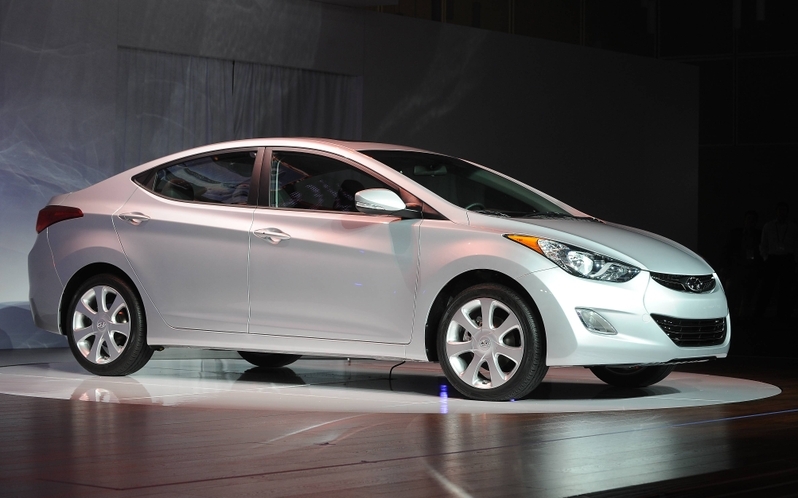
Among the 21 best-selling used cars, eight models have seen price increases higher than the overall average, with the top four being Hyundai Elantra (up 56.0%), Kia Sportage (up 50.5%), Toyota Camry (up 49.9%), and Honda Civic (up 44.7%).
These four models were originally aimed at mainstream buyers, emphasizing practicality and affordability, but their prices have now significantly escalated. A three-year-old Elantra had an average price of $12,295 in 2019, which has now climbed to $19,178, marking an increase of $6,883. The price of a three-year-old Camry has increased by $8,262, rising from $16,567 to $24,829.
The following are the eight three-year-old best-selling used cars with price increases exceeding the average level, along with their 2019 price, 2026 price, and percentage increase:
– 2019 price: $12,295
– 2026 price: $19,178
– Increase: 56.0%
– 2019 price: $16,312
– 2026 price: $24,543
– Increase: 50.5%
– 2019 price: $16,567
– 2026 price: $24,829
– Increase: 49.9%
– 2019 price: $16,430
– 2026 price: $23,771
– Increase: 44.7%
– 2019 price: $28,105
– 2026 price: $40,060
– Increase: 42.5%
– 2019 price: $20,677
– 2026 price: $29,245
– Increase: 41.4%
– 2019 price: $20,825
– 2026 price: $29,190
– Increase: 40.2%
– 2019 price: $14,301
– 2026 price: $19,971
– Increase: 39.7%
Brauer said, “When mainstream models such as the Honda Civic and Toyota Camry breach the $20,000 mark, many consumers are forced to choose: either give up on these popular models or allocate a larger proportion of their monthly budget towards purchasing a car.”
Luxury and high-performance models dominate the list of cars with the largest price increases in the used car market.
The Porsche Cayenne tops the list with a 75.7% increase, with the price of three-year-old models rising from $50,301 in 2019 to $88,387 in 2026. The Porsche 911 follows closely with a 74.0% increase, whereas the Mercedes-Benz G-Class saw a 72.8% increase.
Moreover, the Mercedes-Benz E-Class, Acura TLX, BMW M3, Lincoln Navigator, and BMW 3 Series have all experienced price increases of at least 60%.
“While luxury and sports cars have seen the largest price increases in the used car market, the Hyundai Elantra and Nissan Versa, two low-priced models, have also made it to the top ten, affecting buyers with limited budgets,” explained Brauer.
Only a few models have not been significantly impacted by the overall market price increases.
The Tesla Model X experienced the largest decrease, with the average price dropping from $75,554 in 2019 to $62,689 in 2026, a decrease of 17.0%.
The price of the Land Rover Discovery Sport also decreased, but by a much smaller margin, at 2.4%. The prices of the remaining eight models in the top ten list have increased, but their increases are far below the 38.2% average level.