
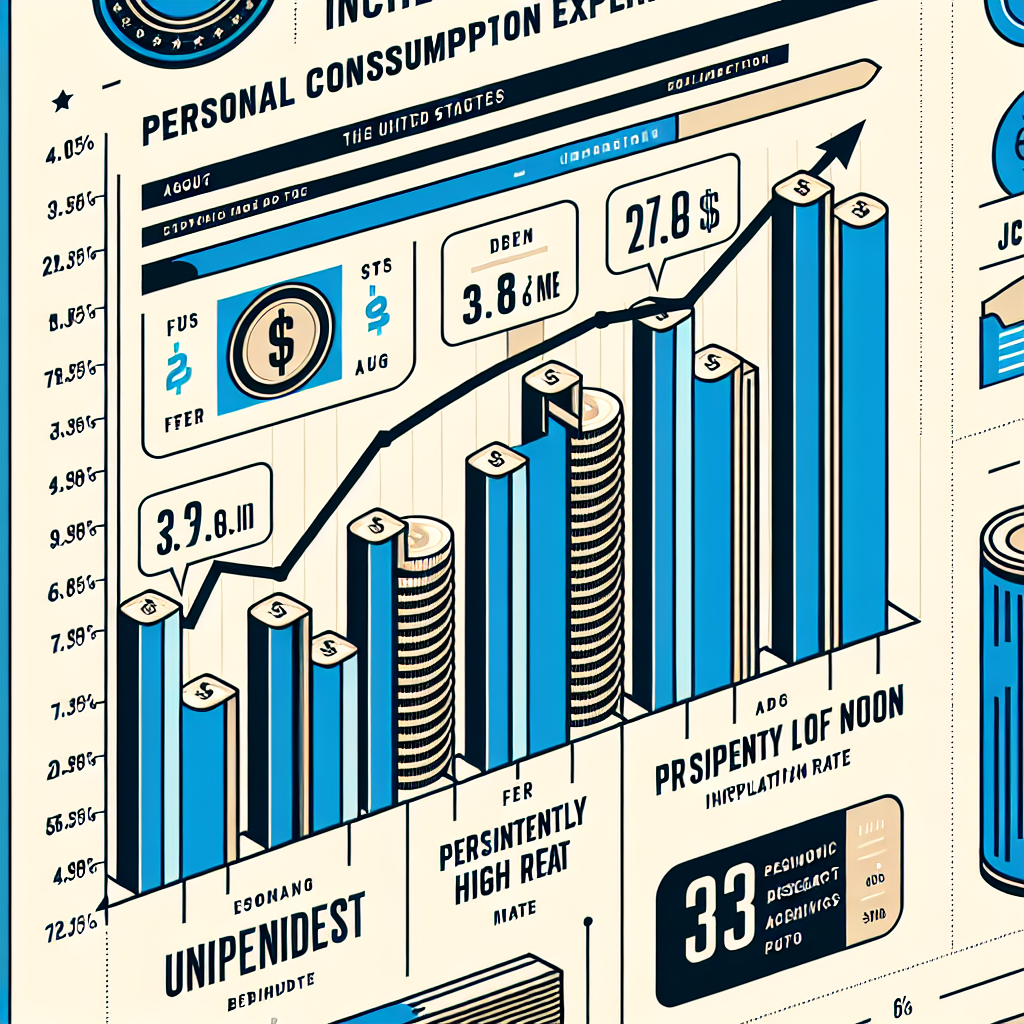
In August, personal consumption expenditure in the United States increased steadily for the third consecutive month, showing that despite the persistently high inflation rate, consumers are continuing to drive economic growth.
According to a report released by the Bureau of Economic Analysis (BEA) of the U.S. Department of Commerce on Friday, consumer spending, which accounts for more than two-thirds of economic activity in the United States, increased by 0.6% in August, higher than the unrevised 0.5% in July and also higher than the 0.5% increase predicted by economists surveyed by Reuters.
After adjusting for price changes, consumer spending grew by 0.4% in August.
The growth in consumer spending in August was driven by services such as transportation, including air travel. Consumers were more frequently patronizing restaurants and bars, staying in hotels and motels, increasing their expenditure on leisure services.
The increase in consumer spending last month was stronger than economists had previously expected, also boosting overall economic growth in the United States.
However, the ability to sustain this economic growth momentum largely depends on the labor market. The current U.S. labor market has shown signs of weakness, with hiring slowing down and wage growth remaining modest.
Americans are still grappling with stubborn inflation. The core Personal Consumption Expenditures (PCE) price index, which excludes the more volatile food and energy components, rose by 0.2% in August, matching the 2.9% increase from the same period last year. The core PCE price index is a key measure of inflation used by the Federal Reserve.
After a 0.6% increase in goods spending in July, there was an additional 0.8% increase in August. Purchases of discretionary items like furniture, clothing, and recreational goods rose, while the growth in services spending was more moderate.
Other data this week also indicates the resilience of the economy, such as low layoff rates and strong demand for equipment by businesses.
Federal Reserve Chairman Jerome Powell admitted last week that the impact of tariffs on inflation has been slower and smaller than previously expected. Following the interest rate cut achieved at the Fed’s policy meeting in mid-September, market analysts predict that the U.S. central bank may cut rates again later this year.