
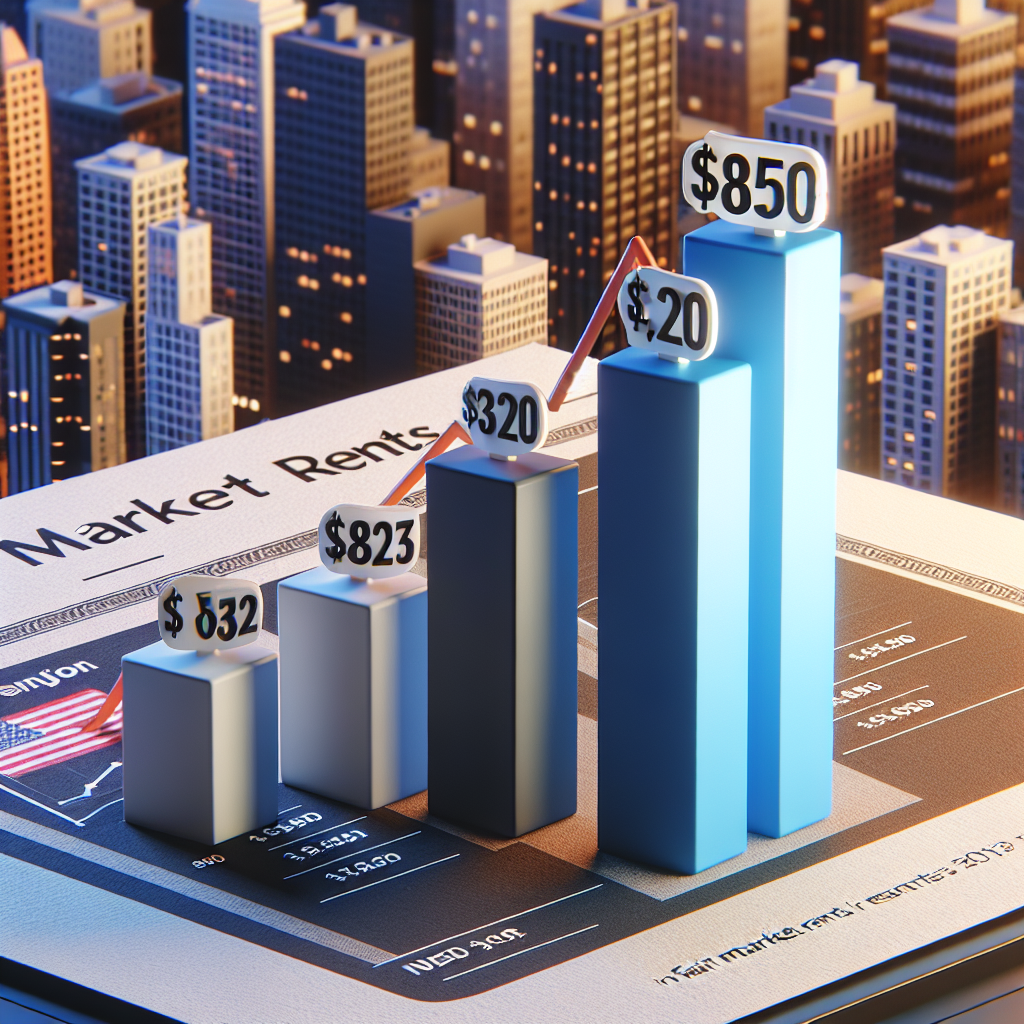
According to the latest research from the financial analysis institution LendingTree, the Fair Market Rents (FMR) in New York City have seen the largest surge in the United States since the 2021 fiscal year. Particularly, the rent for a one-bedroom apartment has increased by an average of over $850 in the past five years.
The data from the U.S. Department of Housing and Urban Development (HUD) shows that from 2021 to 2026 fiscal years, the FMR for a one-bedroom apartment in New York City has risen from $1,801 to $2,655, a significant increase of $854. This is the largest increase among the 50 metropolitan areas included in the report. In percentage terms, rent for a one-bedroom apartment in New York has risen by approximately 47.4% over the past five years.
The increase in rent for two-bedroom apartments is also quite remarkable. The report indicates that the FMR for a two-bedroom apartment in New York City during the same period has gone up from $2,053 to $2,910, a notable increase of $857, ranking third in terms of rent increases among metropolitan areas nationwide, only behind Miami and San Diego.
The report explains that FMR represents the rental amount at the medium price point in a given area, used for calculating federal housing assistance programs such as the Section 8 Housing Choice Voucher program, among others. It does not represent all market rents but is sufficient to reflect normal levels of housing affordability pressure.
LendingTree analysis points out that the surge in New York City’s rents is due to strong housing demand, extremely low vacancy rates, and limited supply. The report emphasizes that New York City is a city highly dependent on rental housing, with about 69% of households renting, meaning that the majority of residents are directly impacted by rental fluctuations.
The report warns that the substantial rent increases have become a heavy burden for tenants. In comparison to the national average rent increase from 2021 to 2026, the FMR for a one-bedroom apartment has risen by $457, but in New York, it has surged by $854 in just five years, far exceeding the average level. In San Diego, which ranks second in the nation, the rent has increased by $817 during the same period, also higher than the national average but still lower than New York.
Citing statistics from the U.S. Treasury Department, the research indicates that between 2000 and 2020, 90% of Americans lived in areas where rent and housing prices outpaced income growth, reflecting long-term housing affordability issues. For New York City, this income-rent disparity is particularly pronounced.
Housing scholars also caution that when FMR rises rapidly, the calculation standards used for federal subsidies also increase, but the actual income of tenants often fails to keep up, potentially exacerbating the burden on low- and moderate-income residents and further fueling housing instability.