
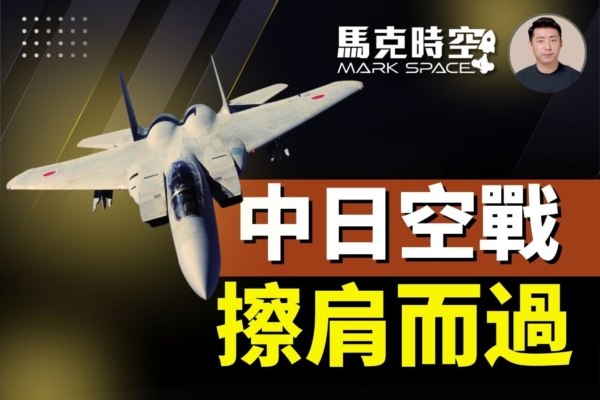
On the afternoon of December 6th, in the open sea southeast of Okinawa Island, a J-15 fighter jet that took off from the Chinese aircraft carrier Liaoning carried out “intermittent radar illumination” towards the Japanese Air Self-Defense Force F-15 fighter jets that were on alert duty. Although the Japanese fighters and pilots were not harmed, Japan strongly protested, pointing out that this was a dangerous act that exceeded the safety limits. This marked the second time that the Chinese military had conducted radar illumination against the Japanese Self-Defense Force. However, it was the first time that such a combat confrontation had occurred between Chinese and Japanese air force fighter jets, almost leading to a clash in the skies between the two nations.
Radar illumination usually refers to when a fighter jet’s fire control radar has locked on to a target aircraft, indicating that the next step could involve launching air-to-air missiles to attack, which is akin to pointing a loaded gun at the target. At this point, the targeted fighter jet’s cockpit would immediately sound an alarm, but the pilot generally cannot determine the distance of the enemy aircraft and can only maneuver at high speed based on personal judgment to evade. Of course, this type of radar illumination could also be part of a training scenario, not necessarily a real combat mode, but it conveys a clear sense of hostility.
Video content also includes:
【Mark Space-Time】Clean World Channel:
https://www.ganjingworld.com/s/QbjYDNxOJB
【Mark Space-Time】Facebook Fan Page:
https://www.facebook.com/Mark-Space-Time
【Mark Space-Time】Instagram:
https://www.instagram.com/markspace5/
【Mark Space-Time】X Platform:
https://x.com/Mark__Space
(Mark Space-Time Program Production)