
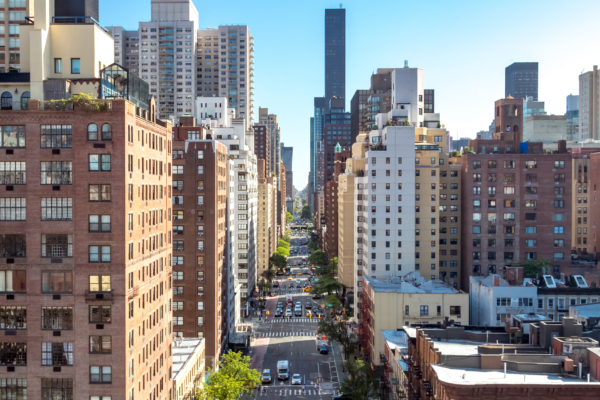
In the New York City mayoral election in 2025, Mamdani emerged victorious with one of his key policy proposals being the implementation of a rent freeze on approximately a million rent-stabilized apartments across the city. Concerns over the strict rent freeze policy that Mamdani might introduce once he takes office have led to a wave of large apartment building owners listing their rent-stabilized properties for sale at extremely low prices, sparking a selling frenzy in the real estate market.
According to a report by the New York Post, some of these listed apartments are priced far below the average market rates per square foot in the area. For instance, a brokerage is currently marketing a building with 30 units spanning approximately 22,200 square feet for a mere $2.27 million, which is comparable to the market prices for newly built three-bedroom units in the vicinity.
Landlord brokers have expressed that owning rent-stabilized properties is becoming financially unsustainable. With rising costs (maintenance, insurance, taxes) and frozen rents, landlords are finding it increasingly difficult to make ends meet. As a result, many landlords are opting to sell at lower prices rather than continue to incur long-term losses.
Currently, around one-third of rent-stabilized properties in New York City are operating at a loss. If the policies become more stringent, many landlords may choose to exit the rent-stabilized market. The rent-stabilization system itself restricts landlords from increasing rents, thereby reducing their income flexibility. Previously, landlords could offset maintenance costs or make improvements through repricing after vacancies, but the 2019 Housing Stability and Tenant Protection Act (HSTPA) significantly limited these mechanisms, leading to long-term delays in property maintenance.
While rents have seen minor increases, they have not kept pace with the rising costs of inflation, repairs, labor, insurance, and other expenses, putting landlords at an increasing financial disadvantage. If Mamdani successfully implements rent freezes on rent-stabilized properties in the future, landlords would struggle to maintain financial viability, resulting in long-term financial losses.
Various factors have combined to prompt many landlords to sell early, creating a peak in property sales. Real estate professionals and private research institutions have warned that this selling frenzy may deplete New York City’s existing inventory of affordable housing. If rent-stabilized properties are extensively sold off, coupled with new buyers potentially converting them for market-rate rentals, cooperative housing, or other purposes, the availability of housing that can be rented to low and moderate-income tenants may dwindle.
Moreover, insufficient funds for maintenance and upkeep could lead to further deterioration of older buildings, impacting the quality of living. Some experts suggest that if landlords cannot maintain basic investments, the rent stabilization system could effectively become a mere facade, gradually leading to the collapse of housing quality and stability.
In essence, without complementary subsidies, maintenance support, and a comprehensive system, a policy intended to safeguard low and moderate-income individuals may backfire, making it even harder and less secure to find rental housing.