
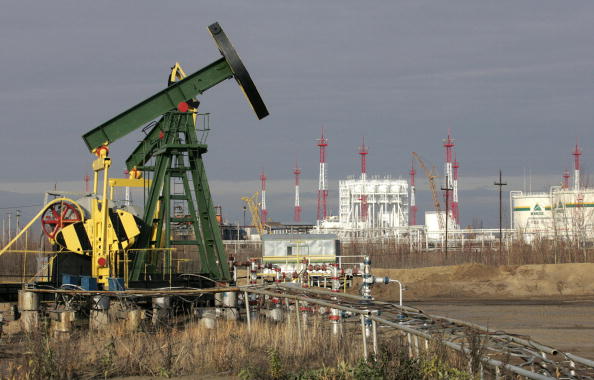
The International Energy Agency (IEA) stated that Russia’s revenue from crude oil and refined oil exports fell again in November to $10.97 billion, reaching the lowest level since the invasion of Ukraine in February 2022.
The sharp decline in revenue was mainly due to a decrease in export volume and soft prices, reflecting intensified Western sanctions and pressure from Ukraine’s drone attacks on Russia’s energy infrastructure and “shadow fleet” oil tankers.
In October this year, Washington increased pressure on the Kremlin by imposing sanctions on Russia’s two largest oil producers, including Rosneft and Lukoil.
The IEA mentioned that Washington’s actions prompted buyers to start evaluating the impact and risks of stricter sanctions, leading to a decrease of around 400,000 barrels per day in Russia’s daily crude oil and fuel exports in November, dropping to an average of 6.9 million barrels per day.
These unfavorable conditions also caused the price of Urals crude oil to plummet by $8.2, reaching $43.52 per barrel. Overall, Russia’s oil export revenue in November decreased by $3.59 billion compared to the same period last year, marking the lowest level since the outbreak of the Russia-Ukraine conflict.
Ukraine’s military strikes on Russia’s energy industry continue to escalate, another key factor in the sharp drop in Russia’s income.
On Wednesday, December 10th, Ukraine’s Security Service (SBU) announced that Ukrainian naval drones recently hit a Russian “shadow fleet” oil tanker in the Black Sea’s Ukrainian Exclusive Economic Zone, rendering it inoperable.
The oil tanker, named “Dashan,” was severely damaged by a powerful explosion while en route to the Novorossiysk port in Russia. This was the third “shadow fleet” oil tanker attacked by Ukrainian military drones in two weeks.
Ukrainian officials stated that the “Dashan” tanker had turned off its identification transponder and was sailing at maximum speed when the drone struck the stern, causing critical and severe damage to the vessel. They did not disclose whether the incident resulted in casualties.
Ukraine claims that these unregulated vessels are assisting Russia in bypassing sanctions to export oil, providing crucial war income for the Kremlin.
Meanwhile, Bloomberg cited sources indicating that Ukrainian long-range drones have struck Lukoil’s Filanovsky offshore oil field platform in the Caspian Sea at least four times, resulting in more than 20 production wells forced to shut down.
Lukoil has not responded to requests for comments yet. The field has an annual production capacity of around 6 million tonnes, representing nearly 8% of the company’s production within Russia.
The conflict has extended to shipping routes, causing insurance costs for vessels heading to the Black Sea to sharply rise. Russia has referred to Ukraine’s attacks on oil tankers as “pirate behavior” and threatened retaliation.
In terms of production, Russia’s oil output in November decreased to 9.03 million barrels per day, slightly lower than October’s 9.24 million barrels per day. This output is approximately 500,000 barrels per day less than the daily quota set for Russia by the Organization of the Petroleum Exporting Countries (OPEC) and its OPEC+ partners for November.