
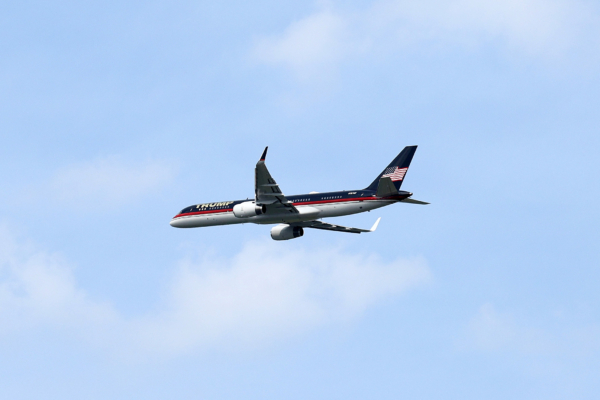
In addition to working for airlines, pilots may also fly private jets for high-end clients, including government officials, royal members, entrepreneurs, moguls, celebrities, or public figures. So, how much do these pilots earn? And what are the advantages and disadvantages compared to airline pilots?
According to the aviation news website “Simple Flying,” these pilots typically fly the most luxurious and technologically advanced private jets. Their job may offer more attractiveness in terms of career development compared to airline and traditional pilots.
The salary of private jet pilots varies significantly depending on experience, aircraft type, and operation type. First officers with fewer flying hours (at least 1,500 hours) and less experience can earn between $60,000 to $80,000 annually. On the other hand, captains with thousands of flying hours and extensive experience can earn salaries ranging from $100,000 to $200,000 per year.
The salary of these pilots is also influenced by the type of aircraft they fly. Pilots flying larger and newer aircraft usually command higher salaries. For instance, the demand for large, long-range business jets like the Bombardier Global 7500 results in higher pay compared to light jets or lesser-known models.
As aircraft become more advanced, the certification requirements increase, and flights with these types of aircraft are typically long-haul. Thus, pilots flying these advanced aircraft naturally earn more than those operating short-haul flights that only last one or two hours.
It was reported by Taiwanese media that the CEO of NVIDIA, Huang Renxun, flies on a Bombardier Global 7500 jet worth $78 million.
Private jet pilots can be employed by owners, companies, charter operators, or fractional aircraft ownership companies. Working for these employers entails different job responsibilities.
For example, working for large corporations like Starbucks, Walmart, or Coca-Cola, who own private jet fleets, typically offers the highest salaries and stable contracts, along with comprehensive benefits such as insurance, medical, and retirement plans.
Charter operators may not always provide benefits, and their contracts can be unstable depending on the region and operation type. However, they offer diverse and exciting flight schedules to cater to various clients and destinations.
Private jet owners may not fly as frequently, allowing the crew to balance work and life more effectively and spend more time with their families. However, they often need to be on standby for last-minute flights.
According to the UK’s National Careers Service, airline pilots in the UK earn annual salaries ranging from £47,000 ($62,960) for novice pilots to £150,000 ($200,936) for experienced ones.
The job nature and content of private jet pilots differ from airline pilots, with both advantages and disadvantages.
Private jet pilots may receive additional benefits depending on the company and contract. For example, if working on a one-month-on-one-month-off rotation schedule, the company may cover accommodation costs and provide business class tickets for return travel to the base. Sometimes, crew members working off-base receive daily allowances (overnight allowances). Clients may also tip crew members, providing additional income.
The location of work also affects the salary of private jet pilots. Working in regions with high demand for private jets like Los Angeles, New York, London, or Paris can result in higher incomes than other areas.
Typically, due to rotating schedules or standby duty, private jet pilots earn more than airline pilots and have fewer flying hours.
However, the downside includes potential job instability, unreliable contracts, exhaustion from long standby periods, and a lack of airline benefits like employee travel, insurance, and retirement plans. In addition, private jet pilots may spend extended periods away from home, which can be challenging for those with families.
Furthermore, the role of private jet pilots differs from airline pilots. Commercial flights adhere to tight schedules, whereas private flights offer flexibility, requiring pilots to be on standby and ready to fly at short notice.
Their schedules can change frequently as clients may arrive early, delay, or cancel trips altogether. Therefore, the ability to adapt to changing situations is crucial.
As clients expect highly personalized service, private jet pilots must provide exceptional assistance. Apart from flying the aircraft, they are responsible for handling clients’ luggage and often brief clients personally before flights.
Once in the private jet industry, pilots find it easier to advance compared to staying in airlines, where promotions may take many years to achieve.
A former private jet stewardess revealed that while serving affluent passengers, she encountered some peculiar situations and unusual requests, such as cleaning up dog excrement. However, most of her passengers were pleasant, enjoying champagne, dancing, and celebrating on board, making them a joyful group.
Overall, the private jet pilot profession offers unique challenges and rewards, catering to high-profile clients with tailored services while navigating a dynamic and fast-paced environment that demands flexibility and professionalism.