
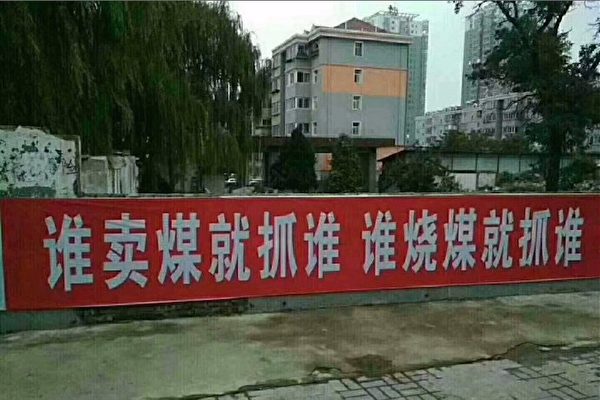
In recent years, China’s “coal-to-gas” project, also known as the conversion from coal to natural gas, has been a subject of controversy. Recent complaints from Hebei farmers struggling to afford heating for the winter have flooded social media platforms, with multiple related topics on Weibo being restricted.
Around the New Year, the difficulty of heating in Hebei rose to the top of search trends, as many netizens in Hebei reflected that heating costs in the region were too high for rural residents to bear, forcing them to endure the cold.
Weibo influencer “Investment Notes by Tao Zhu Gong” posted on January 1st, mentioning that in the harsh winter, despite most rural households in Hebei having heating installed, many dare not turn it on and have to tough out the winter.
The article stated that in recent years, Hebei had aggressively promoted the transition from coal to gas, prohibiting coal heating in rural areas and mandating the installation of natural gas. However, in reality, many households either do not dare to use the gas or simply cannot afford it. It’s not a matter of being unable to use it, but a genuine inability to afford it.
“The cost of heating with natural gas is about 180 yuan a day. In the past, burning coal in the winter cost a little over 2,000 yuan to keep the house warm, but after switching to natural gas, the heating cost multiplied several times. Moreover, natural gas prices in Hebei are among the highest. To avoid freezing the entire winter, heating costs would amount to at least tens of thousands of yuan. Farmers working the land year-round barely manage to save any money, let alone those working outside who are willing to spend so much on heating. Smokeless coal is an option, but the price is exorbitant, rendering it unaffordable for ordinary families. Burning loose coal from before might result in fines if caught by surveillance drones.”
The article pointed out that rural houses in Hebei have insufficient insulation, and with winter being a peak period for cardiovascular diseases, many low-income families and elderly residents endure the cold rather than spend extra money on heating, fearing further health issues.
Many netizens shared their experiences:
“I am from a village in Hebei. When I was in elementary school, we used to burn coal at home, which was very warm and not as costly as natural gas – around three to four thousand yuan? During hot weather, I would wear short sleeves at home. Now, the whole village has switched to natural gas. My family only heats two rooms, costing a minimum of six thousand yuan, with only a four-hundred-yuan subsidy. Moreover, the pricing of natural gas in our village is tiered. My grandparents are reluctant to use natural gas due to the cost, even though the house is especially cold, they need a base amount of two thousand yuan.”
“I am from a rural area in Zunhua, Tangshan, Hebei. We are not allowed to burn coal here. My brother’s family dares not turn on the heating for a whole winter because natural gas is too expensive. They gather firewood from the mountain to heat the kang. We have an 81-year-old at home. We have to use natural gas despite the high cost, or risk detrimental effects on the elderly. However, it’s impossible to afford over ten thousand yuan for gas in one winter. This year, the government no longer provides subsidies. Four or five thousand yuan should suffice, but for farmers scraping by in the fields, it is a huge expense.”
“Hebei is in a dilemma.” “Burning coal is not environmentally friendly. Who was the expert who made such a decision?”
Some Hebei residents criticized the lack of attention to the heating issues faced by elderly residents in rural Hebei, comparing it to the focus on issues in the United States. They expressed disappointment in the disregard for local problems while emphasizing the importance of addressing domestic challenges.
On Weibo, topics relating to “rural heating in Hebei” and “Hebei heating” have been marked as “Sorry, the content of this topic is not displayed.”
The Chinese Communist Party first proposed accelerating the “coal-to-gas” and “coal-to-electricity” clean energy replacement projects in 2013, implementing them on a large scale in the Beijing-Tianjin-Hebei region and surrounding areas by 2017. This project, driven by a one-size-fits-all approach, banned coal burning under the guise of environmental protection. Aerial surveillance drones were used to monitor households, taking action if smoke was detected, ranging from destroying coal stoves to imposing fines. The scarcity of natural gas and sudden gas shortages leading to people enduring the cold have sparked continuous disputes over the years.