
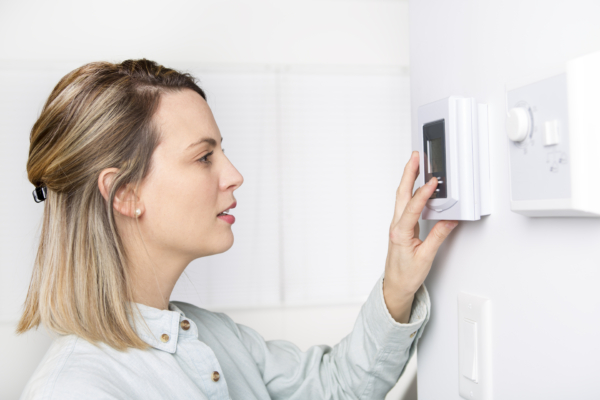
In daily life, the use of energy such as water, electricity, and gas is unavoidable. With the arrival of winter, residents in high latitude areas inevitably need to use heating to keep warm, leading to a surge in energy costs. Experts say that people often make three mistakes in heating, which can result in a significant increase in energy costs and financial strain.
According to a report from the UK’s Daily Express, people’s living expenses increase with the use of heating, prompting many to seek money-saving tips on social media, including adjusting the temperature settings on their thermostats.
Thermostats are usually set around 20 degrees Celsius, but experts suggest using different temperature settings. For most people, 18 degrees Celsius is the ideal minimum room temperature, but for the elderly or those with health issues, a slightly higher temperature is recommended.
Gordon Wallis, an energy expert from a UK fuel supplier, emphasized that ensuring the heating system operates efficiently can yield significant benefits throughout the winter season.
Wallis stated, “Small adjustments can have a big impact. Many households heat unused rooms, set the boiler water temperature too high, or place the thermostat in a location that cannot accurately read the temperature.”
“These are simple mistakes that waste energy and increase costs,” he added. He urged people to avoid the following three common mistakes:
The thermostat operates by measuring the room temperature. If it is obstructed or placed in an area that is too hot or too cold, it cannot accurately regulate the heating.
Wallis advised, “Placing the thermostat near a radiator, in direct sunlight, or behind furniture will lead to inaccurate readings. This means the heating may shut off too early or run for too long. The best location is a well-ventilated hallway or main living area.”
When the weather gets colder, people tend to adjust the thermostat temperature slightly higher, believing it will speed up indoor warming. However, this does not accelerate the heating process.
Wallis explained, “The thermostat will maintain the temperature you set. If you want to keep your home at 20 degrees Celsius, even as the temperature drops, there’s no need to adjust the setting. Raising the temperature will only increase running time and energy consumption.”
Setting the boiler water temperature too high is another critical mistake. Many boilers come set from the factory between 70 and 80 degrees Celsius.
“It is recommended to lower the boiler water temperature to around 60 degrees Celsius, which can provide effective heating while reducing the boiler’s workload. This can also prolong the boiler’s lifespan and help reduce heating costs. You won’t feel colder at home, but the heating may be more gradual,” Wallis advised.
Wallis’s recommendations mainly focus on combi boilers. Families using a storage heating system should consult a qualified engineer before making any changes to the system.
To help people maximize the use of the heating system, Wallis provided some tips, such as bleeding the radiators to release trapped air, moving furniture away from radiators, and installing reflector panels behind radiators.
He said these are low-cost measures that promote normal heat circulation, without needing to raise the thermostat temperature, making the home feel warmer.
Nancy Emery, a heating expert from Only Radiators in the UK, previously suggested that in December, as the temperature is relatively mild, people could lower the heating temperature by 1 degree. This small change won’t impact your comfort level but could save hundreds of pounds over a year.
She highlighted that raising the temperature doesn’t heat the room faster but instead can make your home overheated, waste energy, and increase costs. On average, for every 1-degree increase in temperature, heating costs can rise by an additional 10% annually.