
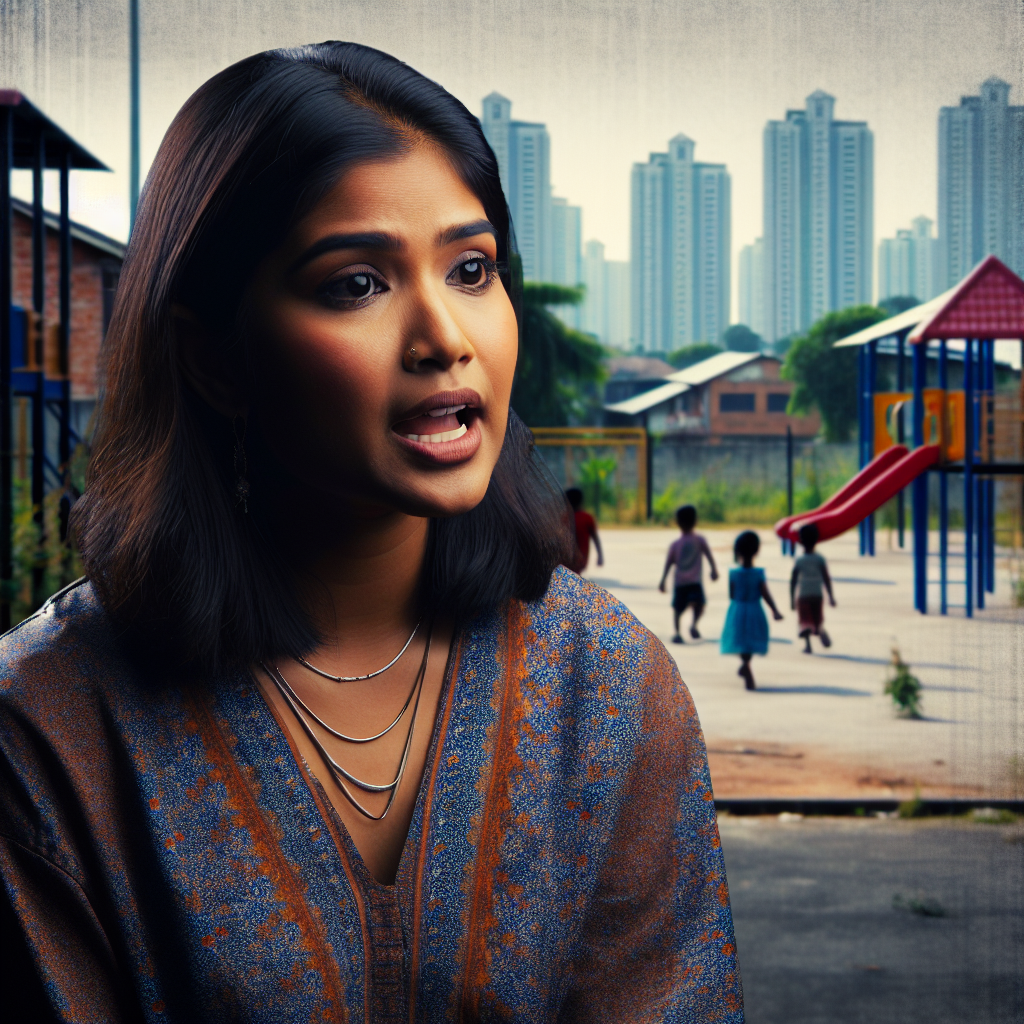
In a recent interview with Epoch Times, Ms. Zhang, who recently immigrated to the United States, shared that her friends in China have no intention of having children. She mentioned that it’s not a matter of affording to have kids, but rather not being able to support and raise them.
Population crisis is a pressing issue, and the Chinese Communist Party has recently introduced a “free childbirth” policy, with doubts surrounding its actual effectiveness and funding source.
On December 13th, the National Healthcare Security Administration of the Chinese Communist Party declared at a national healthcare meeting that they will strive to achieve “free of charge” childbirth within the policy scope in China by 2026.
Mainland Chinese media also reported that seven provinces including Jilin, Jiangsu, and Shandong have already implemented policies where childbirth costs are “basically free.”
The CCP’s move is seen as an attempt to “encourage” more young couples to procreate. However, upon the announcement of this new policy, mainland Chinese netizens ridiculed it, stating concerns about the challenges of raising children rather than the costs associated with having them.
Regarding the CCP’s new “free of charge” childbirth policy, Ms. Zhang described it to Epoch Times as a small benefit offered with the expectation of greater sacrifices. She noted that people are becoming increasingly aware of the government’s tactics and tricks, especially the younger generation.
Wu Shaoping, head of the Overseas Chinese Human Rights Lawyers Alliance, mentioned that addressing the low birth rate is not just about the costs of childbirth and delivery, but also about a systematic set of issues including education, housing, and employment. He emphasized that the CCP’s approach of stimulating birth rates through subsidies cannot address the fundamental problems at hand.
Chinese-American economist Li Hengqing stated to Epoch Times that raising a child involves more than just the initial childbirth expenses, with significant financial implications throughout the child’s upbringing.
Ms. Zhang explained that during her time in China, due to pressure from both families, she had a child to fulfill that expectation, but she had no desire to have a second child.
Since 2016, the CCP has enforced the “universal two-child policy.” According to official figures, the number of newborns in China was 17.86 million in 2016, showing a small peak, dropping significantly in the following years, leading to consecutive negative population growth from 2022 to 2024.
United Nations predictions suggest that China’s new births in 2025 will only be 8.71 million, marking a historical low in the country’s population record.
Wu Shaoping expressed that the CCP is now aware of the low birth rate and the resulting population crisis in China, however, addressing this issue may be too late.
Li Hengqing pointed out that China’s population structure has entered a state of “age inversion,” with a dwindling young population and severe aging issues, posing a significant crisis for the entire country.
Ms. Zhang detailed various challenges faced by young people regarding childbearing, including the pressures of child-rearing and concerns about the complexities of childcare in China.
After relocating to the U.S., Ms. Zhang expressed a desire to have another child, stating that the conducive environment in the U.S. makes it more appealing for raising children.
The CCP’s financial constraints and various loopholes in healthcare funding raise concerns about the sustainability of the funds allocated for childbirth subsidies.
Li Hengqing mentioned that the CCP is essentially leveraging future generations’ welfare by issuing long-term national debts to finance current policies.
When it comes to the CCP’s financial tactics, Wu Shaoping highlighted the likelihood that any benefits offered today will come at a cost tomorrow, with funds likely to be redirected from the public.
Ms. Zhang pointed out the government’s control over healthcare expenses, emphasizing that the CCP sets the rules in determining what can be covered by medical insurance, indicating a manipulative game at play.
In a peculiar incident in November, Shanghai demanded that mothers return child-rearing subsidies, ranging from a few thousand to tens of thousands of yuan, which was labeled as a bizarre event.
Amidst these circumstances, the act of having children has turned into a political obligation, and not having them is seen as a form of political resistance, as noted by Li Hengqing.