
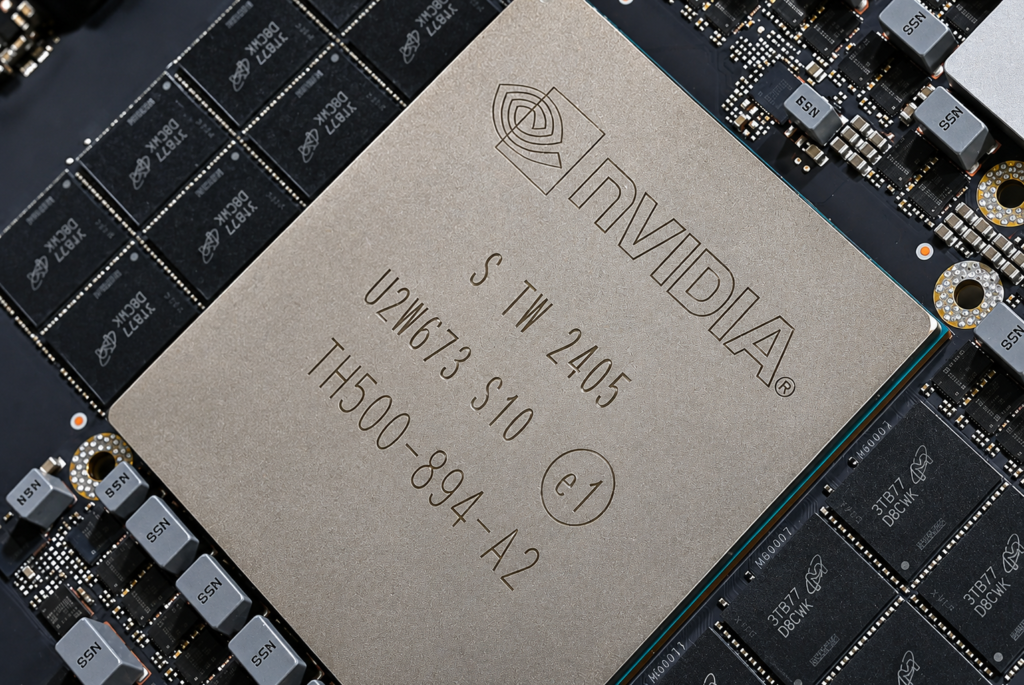
In recent developments, the price of high-end Nvidia chips in China’s black market has surged dramatically, propelled by stricter U.S. export controls on artificial intelligence (AI) chips. In Shenzhen, vendors are reportedly selling servers equipped with eight B300 chips, commanding prices between $3 million and $3.4 million, which is approximately five to six times the price in the United States.
Investigative reports from reliable sources have highlighted the chip trading dynamics in Shenzhen’s electronic markets as well as through various online platforms in China. As the U.S. tightens regulations on Chinese companies acquiring AI computing power overseas, Nvidia has also allegedly instructed its partners to cease shipments of servers to four Southeast Asian countries. Consequently, the chip supply network in China’s black market is experiencing intense pressure.
During a visit to the Huaqiangbei electronic market in Shenzhen, a reporter encountered a vendor who initially claimed ignorance regarding the availability of Nvidia’s high-end chips. However, after making a few phone calls to his suppliers, the vendor quoted a staggering price of 20 million yuan (approximately $3 million) for a server outfitted with eight Blackwell B300 chips.
Another vendor, identified by the surname Wu, disclosed that just two months prior, the same server was priced at only $2 million.
Experts from the Brookings Institution indicate that the retail price for a server with similar specifications in the U.S. hovers around $500,000 to $600,000.
“This price increase is inevitable if U.S. authorities or Nvidia restrict supply,” Wu noted. “However, if prices rise too high, demand is likely to plummet, which would negatively affect our business.”
Reports by the Washington Post could not verify the authenticity of the Blackwell chips being sold by vendors. These merchants claimed that the products were stored in warehouses located in Shenzhen or Hong Kong but required a deposit before allowing potential buyers to inspect the items.
Furthermore, a viral TikTok account named “Compute Sisters” showcased servers purportedly featuring Nvidia B300 chips. Another account cited a price of 23 million yuan (around $3.4 million), asserting that there is still a queue of buyers waiting to purchase the product.
An anonymous chip trader projected that within two months, the price for this server could escalate to $4.5 million. However, he acknowledged that this trading frenzy might only sustain for another two to three months before supply runs dry.
“Delivery shipments from Nvidia or those already in transit are all that we have left,” he stated. “After that, it may become incredibly difficult to bring chips into China.”
Reports also indicate that many online promotional messages remain unverifiable, with a significant number potentially being scams.
The trader informed sources that his associates engaged in chip trading are earning approximately $15 million a month by exclusively selling B300 and other AI chips.
Attracting substantial interest, the lucrative prospects of this market have drawn in gold traders, former cryptocurrency miners, and even beauty salon owners eager to capitalize on this venture, according to a report from a Chinese finance magazine.
A broker traveled from Nanjing to Shenzhen, following leads on B300 chip sales. Upon arrival, they found a crowd of around 40 to 50 individuals waiting; however, every person he inquired about was merely a middleman.
A vendor from Huaqiangbei remarked that Russian and Iranian buyers have frequented his stall for the past several years in search of Nvidia chips. “We don’t care where the customers come from, as long as they can pay,” he stated.
Kyle Chan from the Brookings Institution highlighted that Nvidia chips are a “decisive factor” in the immensely competitive AI landscape between the U.S. and China. Analysts further assert that China’s Ascend chip series still fails to match the capabilities of Nvidia, and the latest AI models emerging in China, including those from DeepSeek, continue to rely significantly on Nvidia chips.
Internal discussions in Beijing regarding the future procurement of Nvidia chips illuminate a divide in perspectives. It appears that the Ministry of Commerce favors importing these chips, while the National Development and Reform Commission is inclined towards enhancing domestic chip manufacturing capabilities.
The prohibitive costs associated with these chips impose considerable operational challenges on Chinese AI firms. Many of them provide free model services to users but struggle to find viable paths to profitability.
Wu expressed concern over the sustainability of companies operating under such conditions: “How long can a business last if it uses high-end equipment at such high costs while offering services for free?”
Kyle Chan further elaborated that China’s AI industry is currently “in a very difficult situation,” with its revenue falling significantly short of industry leaders like OpenAI and Anthropic.