
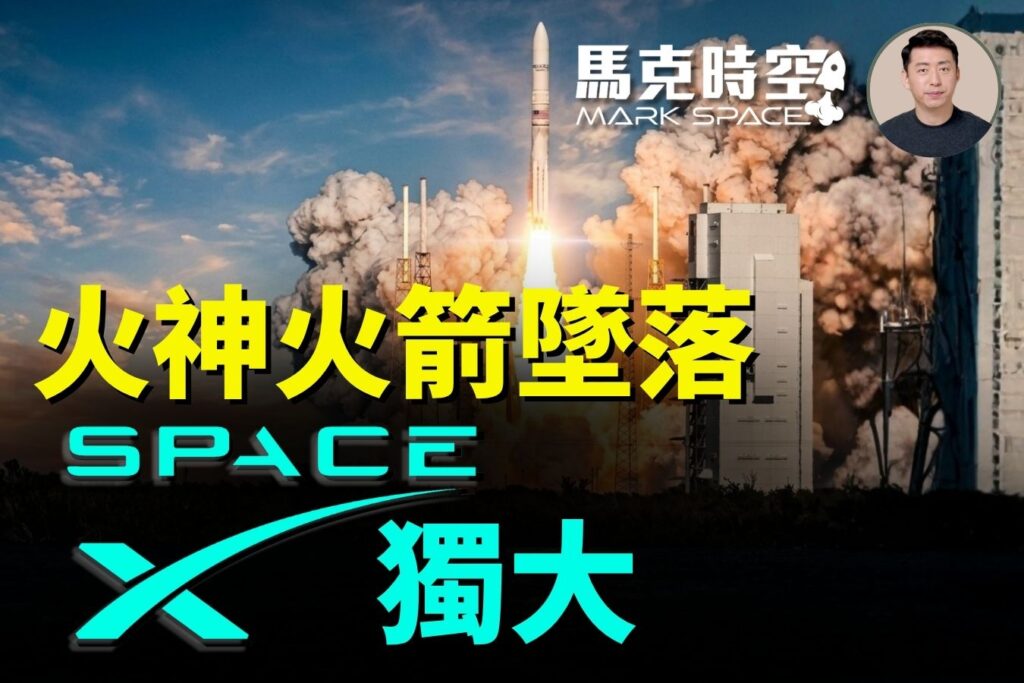
On November 15, 2026, the United Launch Alliance (ULA) launched its Vulcan Centaur rocket from the east coast of the United States, carrying 40 Amazon Leo satellites into orbit. However, approximately ten minutes into the mission, a failure occurred, marking the first total loss of a ULA rocket in its 20-year history. Initial investigations point to insufficient thrust from the first stage, which is powered by the BE-4 engine.
This failure represents more than just a setback for a single commercial company. It leaves the U.S. military’s national security space launch capabilities reliant solely on SpaceX, significantly hindering Amazon’s efforts to compete with SpaceX’s Starlink program as part of their Low Earth Orbit (LEO) initiative.
A closer examination reveals a 13-year development history of the BE-4 engine, which has faced numerous challenges along its journey. When compared to SpaceX’s Raptor engine, the technical paths of these two powerhouses exhibit distinct differences. This particular incident raises concerns about the single points of failure within the American space launch system and emphasizes the need for diversification in launch options.
Moreover, this recent setback prompts the question of whether Blue Origin’s newly unveiled Polaris engine can provide a solution and help reshape the dynamics of the space launch market. The Polaris engine is part of Blue Origin’s ongoing efforts to establish a more robust presence in the aerospace sector, potentially offering new opportunities to ensure reliability and competitiveness in space missions.
With these developments, the landscape of space launch capabilities in the United States is evolving. Stakeholders and industry observers are keenly interested in how Blue Origin will respond and whether its innovations can overcome the challenges faced by companies like ULA and Amazon as they strive for success in an increasingly competitive environment.
To dive deeper into this topic, interested individuals can explore related content through various platforms:
– The Clean World Channel: [Clean World Channel](https://www.ganjingworld.com/s/QbjYDNxOJB)
– Mark Space Facebook Fan Page: [Mark Space Facebook](https://www.facebook.com/馬克時空-Mark-Space)
– Mark Space on Instagram: [Mark Space Instagram](https://www.instagram.com/markspace5/)
– Mark Space on X Platform: [Mark Space X](https://x.com/Mark__Space)
These resources offer additional insights into the evolving world of space exploration and vehicle technology.