
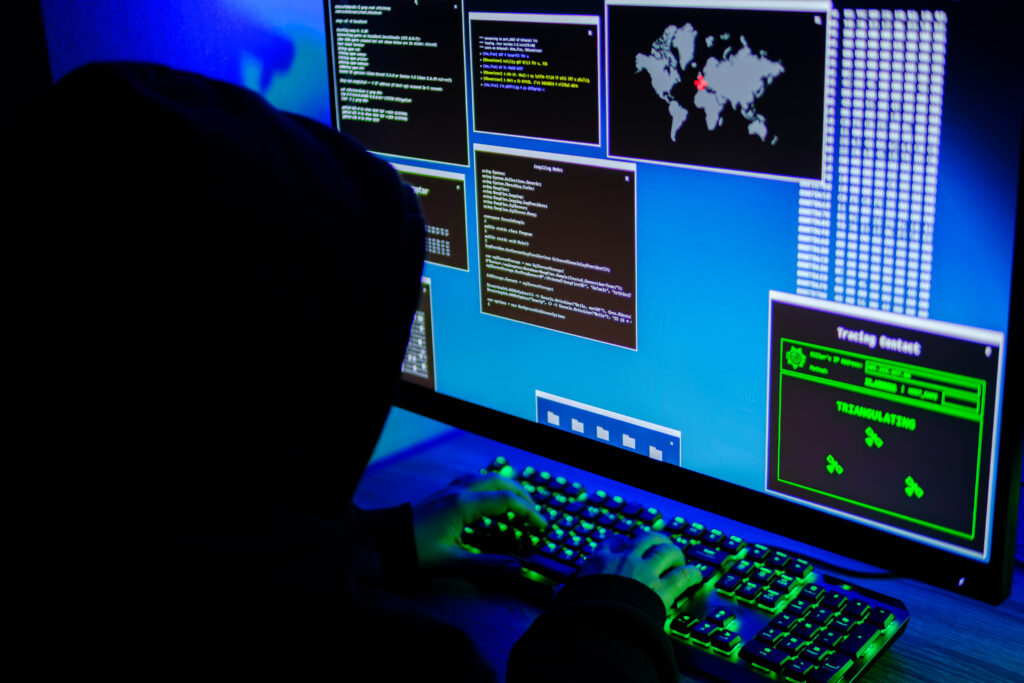
Recently, numerous network security incidents have been reported, with several large corporations falling victim to hacking attempts, leading to the compromise of sensitive consumer information such as names, phone numbers, and email addresses. Cybersecurity experts have issued warnings that as artificial intelligence technology continues to advance rapidly, the speed and efficiency of cyberattacks are increasing, posing greater challenges for companies in protecting client data. These experts have also shed light on how hackers exploit the information they steal.
According to a report by a Canadian news agency on November 26, several businesses have suffered data breaches, including the office supply retailer Staples, telecommunications giant Bell, as well as food retailers like Loblaws and Save-on-Foods, the car-sharing platform Communauto, and the Hospital for Sick Children in Toronto.
Staples has recently notified customers of its Staplesprint.ca website that they experienced a security incident, and that some personal information may have been accessed without authorization.
Bell has reported that a threat actor referred to as “Agentic Threat Actor” breached its systems on November 17, potentially leading to the exposure of personal data belonging to Bell, Virgin Plus, and Lucky Mobile customers, including names, phone numbers, and email addresses.
Many customers are growing weary of these continuing incidents. One Bell customer, Anna Stephenson, expressed her frustration, stating that upon receiving the notification about her data potentially being leaked, she was no longer surprised.
Ali Dehghantanha, a professor in the Computer Science Department at the University of Guelph and a chair of Cyber Security and Threat Intelligence Research, noted that when companies claim that “no financial data was stolen” or “the scale of the breach is small,” the public often misunderstands the severity of the situation.
He pointed out that criminals can consolidate and correlate personal information obtained from multiple breaches. For example, they might gather a portion of information from Bell and another part from Staples, using it to attempt access to the victim’s financial accounts; during this process, they frequently leverage artificial intelligence (AI) for assistance.
Dehghantanha stated, “Once these pieces of data are aggregated, attackers can significantly widen the scope of their attacks, targeting a broader and larger victim pool.”
He further explained, “Companies often evaluate each data breach as a standalone incident; however, for criminals, these events accumulate. This accumulation is precisely what gives them the upper hand.”
Jeff Horncastle, an outreach officer at the Canadian Anti-Fraud Centre, noted that even though companies that have experienced data breaches (like Bell) assert that no financial information was stolen, the very essence of our “identity” can be linked to financial data.
He emphasized, “The information they possess may be sufficient to infiltrate existing accounts or utilize this data to apply for new credit. If they lack certain information, they might resort to using phishing schemes to deceive victims into providing this missing information.”
Dehghantanha elaborated that fraudsters could utilize information obtained from data breaches to execute scam calls, tricking victims into divulging financial data.
In the case of the Bell data leak, the breach included the date and amount of customers’ most recent payments. Customer service centers typically use this information to verify the identity of clients. If someone has accessed your recent billing information, they would have your phone number. Consequently, they might contact you, falsely claiming that a payment of a specific amount made on a certain date “failed.”
If the details recounted by the caller sound credible, you are likely to believe them and subsequently provide your credit or financial card information.
Dehghantanha remarked, “These leaked or stolen billing details now serve as gateways for fraudsters.”
This type of scam can also operate bidirectionally. The perpetrators might impersonate individuals whose information they possess, calling a telecommunications company to request that the number be transferred to a new SIM card. As a result, when you log into your bank account and receive a text message verification code, that code will fall into the hands of the fraudsters, allowing them to access your account.
Companies have an obligation to notify customers affected by data breaches. If you receive a notification regarding a breach, it is crucial to reach out directly to the company through its official website or phone number; this is essential because scammers sometimes impersonate companies that have experienced data breaches. There have been instances over the years of individuals posing as the “Canadian Anti-Fraud Centre” to commit fraud.
If your personal information has been compromised, you should change your passwords immediately and, if necessary, contact your financial institution. Some companies offer credit protection services through agencies like Equifax or TransUnion, but it is advisable to use services from both agencies.
Dehghantanha recommended that you attempt to determine which specific pieces of information have been compromised and be alert to how this information might be used. In the recent Staples data breach, unauthorized third parties accessed some customers’ contact details, order summaries, and encrypted passwords.
This indicates that criminals may have obtained details about your printed orders, which could include wedding invitations, funeral program outlines, or job applicant documents, potentially making you a target for fraud. Victims could include newlyweds, families in mourning, or job seekers.
Additionally, remember that most personal information does not have an “expiration date”; criminals may patiently wait for extensive periods after a data breach before attempting to exploit this information.
Dehghantanha underscored, “You must remain vigilant for at least a year, not just a week.”