
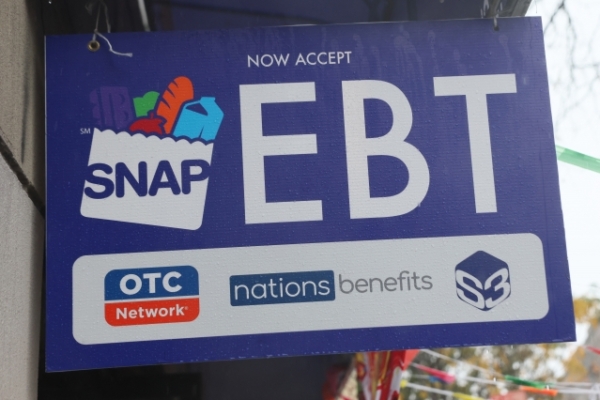
The United States Department of Agriculture (USDA) announced on November 10 its intention to tighten the eligibility criteria for the Supplemental Nutrition Assistance Program (SNAP), often referred to as food stamps. The proposed changes would lower the income threshold for certain households from 200% of the federal poverty line to 130%. According to estimates from the USDA, once implemented, this regulation could result in approximately 3.2 million households, or around 6.3 million individuals, losing their food stamp benefits, which accounts for approximately 17.6% of the current beneficiaries. This decision has met with opposition, particularly from Congresswoman Grace Meng.
The USDA released an 83-page regulatory impact analysis report detailing the phased implementation of the new rules, with a full rollout expected by October 2028. The agency predicts that these changes could reduce federal spending by more than $44 billion over the fiscal years from 2027 to 2031. The stated goal of these reforms is to ensure that SNAP funds are allocated to households that are genuinely in need of assistance.
Under the current regulations, some families qualify for SNAP benefits based on their eligibility for the Temporary Assistance for Needy Families (TANF) program, even if their income or assets exceed the federally mandated limits for food stamp eligibility. At present, certain households can receive food stamps even if their income reaches 200% of the federal poverty line. Under the proposed new criteria, these households will need to meet stricter federal standards, with the general income limit for families set at 130% of the federal poverty line.
In response to these proposed cuts, Congresswoman Meng criticized the previous administration for introducing these reductions to food assistance right before Thanksgiving, emphasizing the potential hardship such a move could create. She highlighted that since the passage of the large and contentious legislation known as the “Great American Rescue Plan” in 2025, more than 5.5 million individuals across the nation have already lost access to food assistance, including over 270,000 residents of New York State.
On November 20, Meng stated that she, along with Congressman Ritchie Torres, is urging Congress to delay the implementation of the food stamp policy by two years. Senator Chuck Schumer from New York also voiced concerns, warning that cuts to SNAP could lead to nearly 2 million children losing their eligibility for free school meals. He pledged that the Democratic Party would advocate for a full restoration of food stamp benefits once they regain a majority in the Senate in January.
As it stands, the USDA’s new regulations are still in the proposed phase and have yet to be officially finalized. For those interested in the specifics of the proposed changes, details can be found in the Federal Register.