
The U.S. government has recently tightened export controls on high-end artificial intelligence (AI) chips manufactured by Nvidia, marking the first time regulations have been imposed on remote computing access. Additionally, the company Moonshot AI has decided to cancel its cloud computing contract in Indonesia, valued at $150 million.
Recent media reports have revealed that Jensen Huang, the co-founder of Nvidia, was involved in an extramarital affair with Alice Huang, a senior executive at Megaspeed. U.S. officials have identified Huang as being an asset of Chinese intelligence agencies, allegedly supplying information to Beijing and possibly assisting China in acquiring Nvidia’s advanced AI chips.
In an action taken on November 23, the U.S. government placed the Singapore-based company, Megaspeed, on an entity list, prohibiting any U.S. business dealings with the company unless special licensing is obtained. Megaspeed has been accused of facilitating the transfer of advanced chips from Nvidia to China.
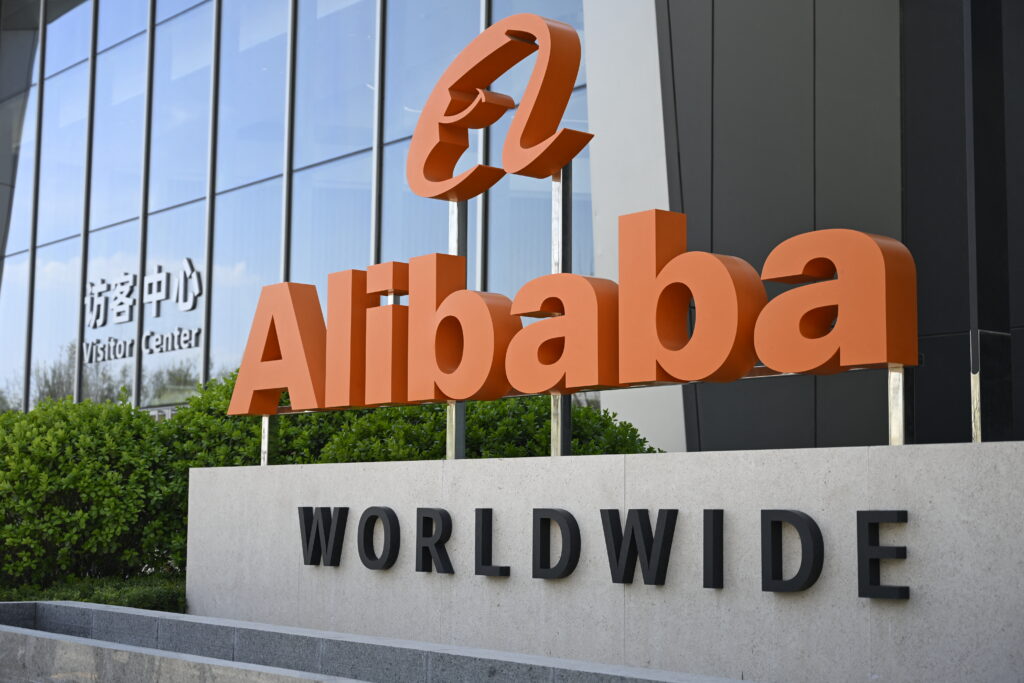
On the same day, the U.S. Department of Commerce added seven firms from Singapore, Thailand, and Malaysia to this entity list, restricting American companies from engaging in business with these firms without special approval. Among them is Apex Enterprise Solutions, based in Singapore and owned by Alibaba, which is responsible for sourcing computing power for Alibaba in Southeast Asia.
A spokesperson for Alibaba stated that including Apex Enterprise Solutions on the entity list was a misguided action, as the company has never transferred advanced computing chips subject to U.S. export restrictions.
The Information reported that these bans have started to impact Chinese AI companies, particularly Moonshot AI, which has terminated its cloud contract in Indonesia and halted discussions for new agreements.
Moonshot AI is recognized as one of the representative enterprises of China’s AI industry for developing the AI model called Kimi. Initially, the company had planned to rent Nvidia’s Blackwell Ultra B300 computing services in Indonesia starting next year. However, since the B300 is prohibited from being exported to China, businesses have sought overseas computing power as a means to bypass these restrictions on acquiring advanced chips. To ensure supply, Moonshot AI had previously agreed to prepay 50% of its contract, significantly above the market norm of 15%, indicating the urgency for Chinese AI companies to secure overseas computing resources.
Analysts reported on November 24 that even though Alibaba owns a rapidly developing in-house chip division known as T-head, it still heavily relies on externally procured chips to fulfill its AI ambitions. The U.S. government’s increased oversight over chip supply and distribution channels may impede the ability of Chinese tech firms to advance their AI capabilities.
Furthermore, a report from the U.S. House Foreign Affairs Committee has disclosed Nvidia and AMD’s chip export license applications from December of last year to May this year: approximately 3.44 million chips were applied for, with 879,868 chips approved for export (though not yet shipped). The approved list included 150,000 chips for Tencent and its affiliates, 75,000 for Alibaba and its partners, and 43,000 for Baidu.
As international regulations continue to evolve, the implications for collaboration and competitiveness in the field of artificial intelligence will likely grow more intricate, particularly for companies caught between compliance and innovation.