
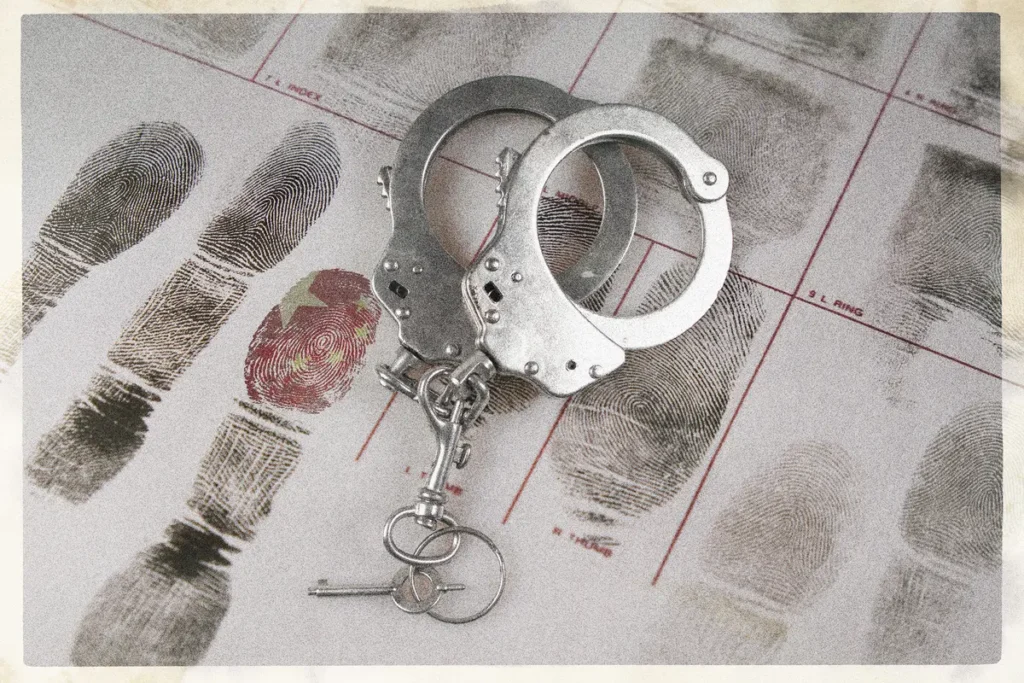
On Monday, November 23, U.S. federal prosecutor Scott E. Bradford announced that Sergeant Jian Zhao, a 37-year-old active duty member of the U.S. Army, pleaded guilty to charges of secretly transferring collected defense intelligence to individuals connected to the Chinese Communist Party in exchange for personal gain.
According to information released by the U.S. Department of Justice, Zhao enlisted in the Army in 2017 and served as a logistics sergeant for artillery at Joint Base Lewis-McChord in Washington state. His role, which came with a security clearance, entitled him to access sensitive military information and equipment.
Federal investigations revealed that from November 2021 to March 2025, Zhao collaborated with former U.S. military personnel, including Ruoyu Duan, who resides in Hillsboro, Oregon, to resell acquired defense-related intelligence and equipment to individuals associated with the Chinese government.
Zhao admitted to using his mobile phone to take photographs of classified military operations, communication networks, military exercises, and technical manuals for the High Mobility Artillery Rocket System (HIMARS). He also unlawfully removed government property and military storage devices, all for monetary gain amounting to thousands of dollars.
On March 6, 2025, FBI agents arrested Zhao at his residence in Lacey, Washington. During the arrest, agents seized approximately $30,000 in cash, a number of electronic devices, and several Army hard drives.
As part of a plea agreement, Zhao agreed to forfeit $17,500 in illicit proceeds and relinquish any claims to the approximately $30,000 in cash that was seized. He now faces a potential maximum sentence of 10 years in federal prison, a $250,000 fine, and up to three years of supervised release. A sentencing hearing is scheduled for March 1, 2027.
Bradford stated that Zhao used military intelligence and equipment as tools for profit, breaching critical trust while leaking important information. “We will hold him accountable for his actions,” he asserted, emphasizing the seriousness of the breach of security and trust that Zhao’s actions entail.