
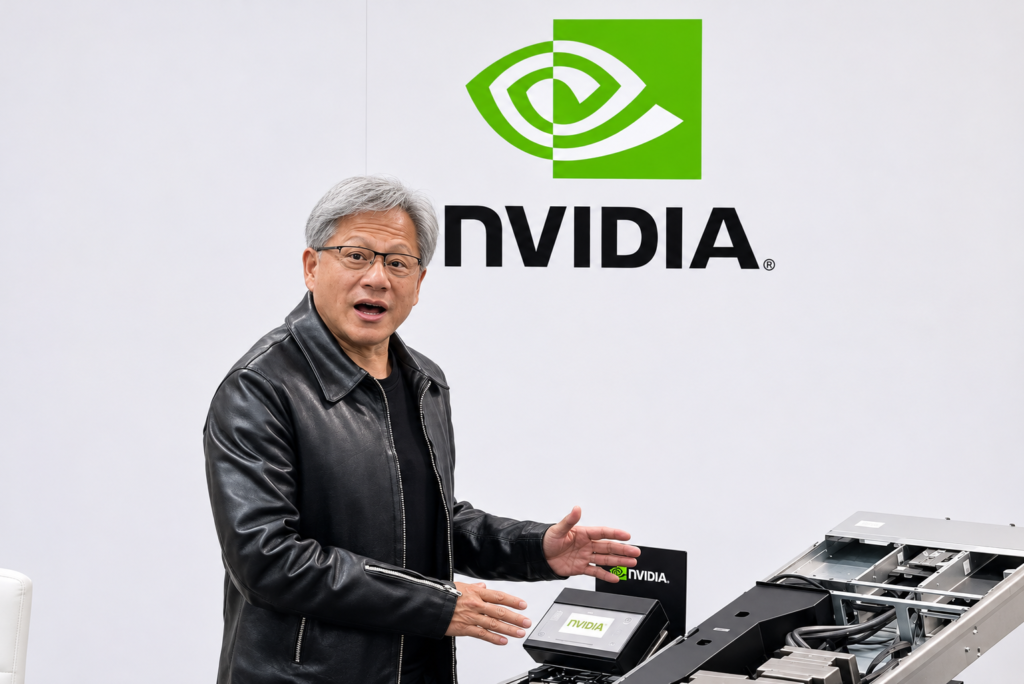
In a swift and dramatic turn of events, Jensen Huang, the President and CEO of NVIDIA, has returned to his position just 11 days after resigning amid allegations of espionage. On November 23, the NVIDIA board officially announced the unanimous reinstatement of Huang, which raised questions and concerns regarding the circumstances surrounding his departure and the implications for the company’s operations in China.
Huang’s resignation on November 11 came as a shock to the industry, especially after he publicly acknowledged infidelity in a letter to employees, although he did not name any individuals or reference China specifically. Following his resignation, Huang faced an immediate backlash, leading to a flurry of order cancellations from Chinese clients who were uncertain about NVIDIA’s leadership direction. The repercussions of this turmoil seemed significant, prompting fears of substantial lost revenue.
During a conference call for NVIDIA’s financial report on November 17, board chairman Harvey Jones had expressed a firm belief that Huang would not be reinstated. Nonetheless, just a few days later, the board had a change of heart, stating that after discussions with Huang and reviewing feedback from U.S. government officials, they felt assured that his return would not pose any national security risks.
Despite Huang’s return, the pathway for computing resources to Chinese companies remains blocked. On November 16, the U.S. Department of Commerce introduced new regulations aimed at restricting foreign access to computing resources, and a day later, NVIDIA halted its H200 product line. The company faced heightened scrutiny and considerable challenges as it navigated these new regulations.
According to reports, the new U.S. rules require special licenses for data centers providing advanced chips to firms in restricted countries, including China. For context, this pertains to providing more than 12 million total processing performance to such entities, roughly equating to around 750 to 760 H100 chips.
While Huang’s return stirred a sense of optimism, many in the industry are cautious about the future of Chinese computing resources. The concept of “renting computing power” involves using chips housed in data centers outside of China, with Chinese companies remotely accessing these resources for computational tasks — a process now more complicated by U.S. restrictions.
NVIDIA’s revenue draw from clients based in China and Hong Kong, for instance, surged from $2.97 billion in the third quarter of 2025 to $11.05 billion as of the end of October 2026. The demand remains high, particularly for NVIDIA’s new RTX PRO 5500 graphics card, which had expected demand from China amounting to over 6 million units—equating to nearly $70 billion, surpassing global production estimates.
Consequently, the halt on product shipments to China has left many wondering what the true impact will be. On November 17, the company’s interim CEO and Chief Financial Officer, Colette Kress, indicated that NVIDIA would no longer ship certain products to China, particularly the H200 line, ultimately affecting the company’s revenue projections and guiding principles, even as the specifics remained unclear.
The restriction on Chinese clients has become increasingly evident, with reports highlighting how some AI applications faced limitations due to insufficient computing power. For instance, DeepSeek’s web and mobile users began experiencing caps on dialogue functionality due to inadequate processing capabilities, illustrating the real-time consequences of these regulatory changes.
Moreover, significant Chinese companies have expressed concerns over their reliance on foreign technology and the emerging restrictions. Executives from major corporations, such as Alibaba and Tencent, have publicly noted that the new regulations will impede growth, suggesting that while they may pivot to domestically produced alternatives, the underlying challenges in capacity and capability remain substantial.
Recent observations indicate that the Chinese tech sector has invested years building on NVIDIA’s technology, and transitioning to domestic chips will come at a high cost—both financially and technologically. Domestic alternatives possess inherent limitations, with shortages of critical components further escalating manufacturing costs.
As Huang resumes his leadership role, the industry watches closely. His previous advocacy for continued collaboration with U.S. technology ecosystems over isolationist strategies approaches has raised questions about how his perspectives may evolve post-crisis. Meanwhile, a contingent within the U.S. continues to push for stringent controls, highlighting the need for a balanced approach to the intertwined technological trajectories of the two nations.
Following Huang’s resignation, NVIDIA shares experienced a noticeable decline. However, his reinstatement has resulted in a remarkable resurgence in stock prices, climbing by more than 30% upon his return. In his first statement since returning to NVIDIA, Huang expressed his renewed commitment to the company, stating he would lead with humility as he undertakes the responsibilities of his position once more.