
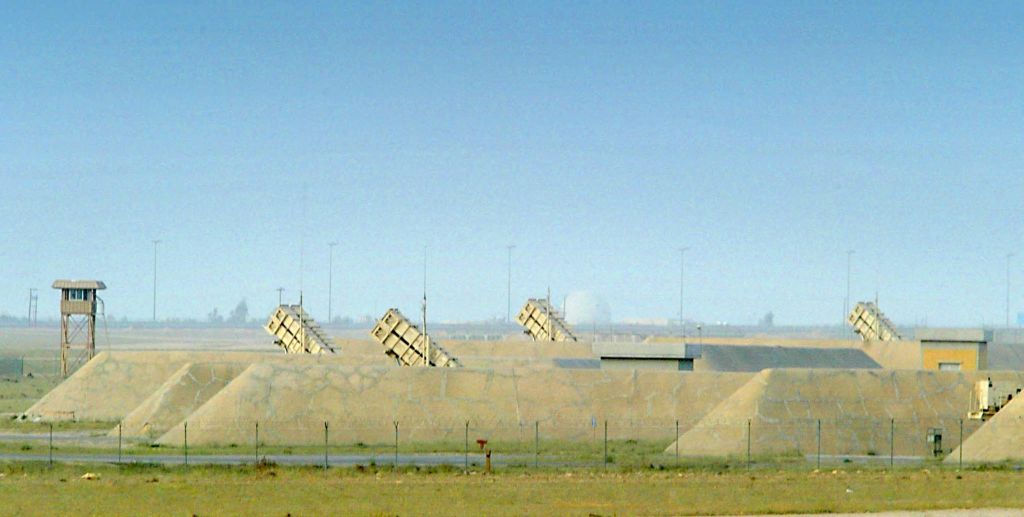
On November 17, Iran launched an attack on a U.S. airbase in Kuwait and conducted multiple assaults on Bahrain, marking a resurgence of conflict in the Persian Gulf region after approximately two months of relative calm.
The Kuwaiti military reported on Tuesday evening that its air defense systems had responded effectively to what they described as a “drone threat.” Fortunately, there were no reported casualties or damage to property. This action represents Iran’s first strike against the oil-rich nation in over two months.
In Bahrain, the military also announced on Wednesday, November 18, that its air defense systems had successfully “intercepted and destroyed several Iranian airstrikes.” Bahrain hosts the United States Navy’s Fifth Fleet, and following a two-month period of tranquility, there have now been four recorded incidents of attacks over the past six days.
Both of these U.S. allies reported that they successfully repelled the Iranian air assaults, demonstrating their defensive capabilities amidst rising tensions in the region.
Meanwhile, according to Iranian state television, the Iranian military confirmed on Wednesday that its drones targeted the Ali Al-Salem Air Base in Kuwait, where U.S. forces are stationed. The assault aimed at the Patriot air defense systems, alongside drone and missile launch platforms.
Prior to Iran’s strikes, U.S. forces had conducted a military operation earlier on Tuesday, striking a missile base associated with the Islamic Revolutionary Guard Corps (IRGC) on Qeshm Island. This offensive was framed as a response to the “IRGC’s aggressive actions against U.S. personnel and assets.”
Since September, the United States and Iran had largely managed to avoid direct retaliatory strikes, opting instead to pursue diplomatic avenues in an attempt to resolve the conflict that began at the end of February. However, the past week has seen a pattern of Iranian attacks targeting U.S. assets and allies throughout the Middle East.
In a related incident, the Abu Dhabi National Oil Company (ADNOC), a state-owned enterprise in the UAE, reported that one of its tankers was attacked in the Strait of Hormuz, resulting in one crew member being reported missing.
Qatar, which has been mediating negotiations between the United States and Iran, indicated that discussions are ongoing this week. However, the influential mediator cautioned that Iran’s aggressions against neighboring countries represent “dangerous escalation actions” that may complicate efforts aimed at de-escalating tensions in the region.
As the situation unfolds, both regional and global observers remain vigilant, aware that these recent developments could have far-reaching implications for security and diplomacy in the already volatile Persian Gulf area.