
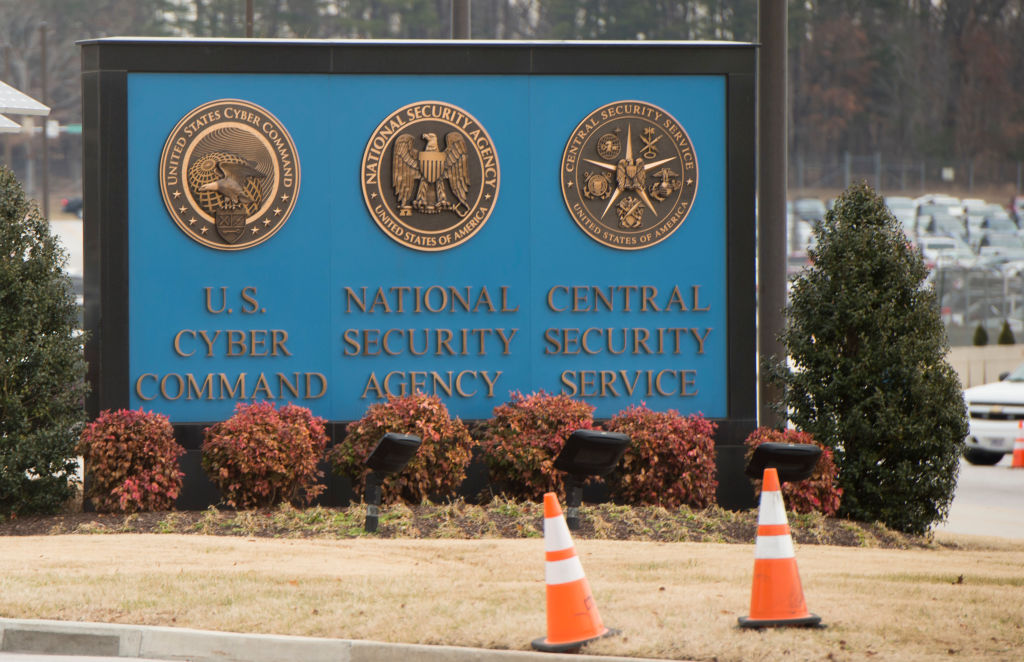
On Tuesday, November 17, multiple media outlets reported that a classified computer network used internally by the National Security Agency (NSA) experienced a significant disruption, impacting the agency’s internal communications and daily operations.
Sources familiar with the situation informed Bloomberg that the network, known as “NSA Net,” had been incapacitated since early Tuesday morning. As a result, some agency employees were unable to access their work systems. Due to the sensitive nature of the issue, these sources requested anonymity. It has been reported that, as a precaution, the NSA has advised some employees to delay their travel to the agency’s headquarters located at Fort Meade, Maryland.
According to the insiders, the NSA is currently working to resolve the issue, though the specific cause remains unclear. It is understood that some critical systems are still operational through backup networks.
A source told Fox News that a highly classified communication network within the NSA is facing what is described as “intermittent outages,” although essential communication functions continue to operate normally. This network plays a crucial role in the internal transmission of sensitive information among NSA personnel.
The insider indicated that during the troubleshooting process, the NSA has implemented staggered work schedules to prevent tens of thousands of employees from attempting to log into their computers simultaneously.
Reports suggest that the problems are stemming from technical malfunctions, but the exact reasons have yet to be identified. Despite the disruptions, officials have reassured that the agency’s critical communication capabilities have not been compromised, as there are multiple backup systems in place to maintain routine operations.
The NSA has withheld comments on this matter, though CNN was the first to report on the incident, citing information from five different sources.
This technical failure at one of the United States’ most sensitive intelligence agencies coincides with a series of recent technical issues affecting numerous important American institutions, including the Federal Aviation Administration (FAA), Microsoft, and various major banks. This pattern has raised new concerns regarding the reliability of essential communication infrastructures.
During the ongoing technical disruptions, U.S. Secretary of Homeland Security, Markwayne Mullin, urged the public to “remain calm,” asserting that the nation remains “secure.”
Additionally, on Monday, JPMorgan Chase & Co. experienced technical issues that led to delays in transaction processing for some customers. The bank clarified that the disruptions were not a result of a cybersecurity event, but rather stemmed from a software glitch within its local hardware systems. On the same day, United Airlines reported that a technical problem was affecting flight departures; investigations revealed that the issue originated from the company’s aging communication infrastructure.
Last week, Microsoft Corp.’s productivity software faced outages that lasted approximately 24 hours. This disruption was caused by a software vulnerability that arose during routine user traffic rerouting on November 11. Furthermore, air traffic in the United States encountered chaos last weekend due to problems caused by a government contractor while replacing old copper wiring in a remote area of Arkansas.
Before the revelation of the NSA’s issue, officials from the Department of Homeland Security had informed CNBC that the recent series of technical malfunctions were not attributed to cyberattacks. The compounding of these incidents has raised concerns among the public regarding the robustness of key communication networks in the nation, as reliance on technology continues to grow.