
In recent days, the United States has witnessed a series of significant system failures that have raised concerns among the public. These incidents included a global service disruption at Microsoft, an unprecedented grounding of all flights by the Federal Aviation Administration (FAA), and extensive online service outages affecting major banking institutions. This series of glitches has led to widespread speculation across social media platforms regarding the implications of these events.
Coinciding with these disruptions, the Federal Emergency Management Agency (FEMA) conducted a nationwide test of the Emergency Alert System (EAS) on Tuesday, November 17. The timing of this test has further fueled public curiosity, prompting FEMA to clarify that the assessment was merely a routine procedure and did not indicate any ongoing secret emergency.
The EAS test commenced at 2:20 PM Eastern Time, which was 11:20 AM in Los Angeles. FEMA confirmed that this test would not result in alerts being sent to citizens’ mobile phones, as it would primarily be disseminated through television and radio channels. During the test, regular programming was briefly interrupted for approximately one minute to broadcast a message informing the public that this was just a test, and no action was required on their part. Following the message, programs would resume their normal broadcasting.
According to the 2015 Integrated Public Alert and Warning System Modernization Act, passed by Congress, FEMA is mandated to conduct such tests at least every three years. These tests are crucial to ensure that the alert system functions properly in the event of a genuine emergency. However, the occurrence of this routine test amid a backdrop of multiple service failures prompted a surge of online theories and speculations.
The string of system failures began on November 12, when Microsoft experienced a global outage affecting services such as Outlook, Teams, and Copilot. The disruption lasted for over 24 hours, with Microsoft reporting no signs of malicious activity or cyber attacks. The issue stemmed from a sudden, unexpected offline status of a large number of servers, which resulted in an overwhelming surge of network requests directed at the remaining operational servers, thereby causing significant overloads within the service chain.
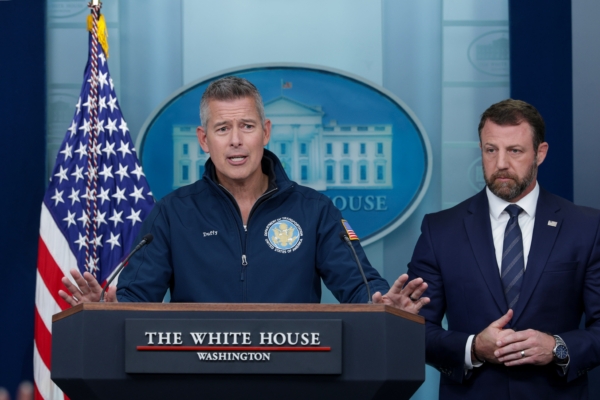
On November 13, amidst these troubles, the FAA issued a rare nationwide ground stop due to instability in the air traffic control system, halting all flights for over four hours and leading to mass cancellations and delays. Transportation Secretary Sean Duffy indicated that the FAA’s outdated communication equipment failed after being inundated with a substantial volume of data in a short period of time, jeopardizing the functionality of the air traffic control system. He warned that if the aging systems are not rebuilt, similar outages could persist.
Just as the FAA lifted the ground stop and flights began to resume, reports of online banking service issues emerged on Monday, November 16. According to the outage tracking website Downdetector.com, major banks including JPMorgan Chase, Bank of America, Wells Fargo, and U.S. Bank experienced significant user-reported failures, including difficulties logging into accounts and executing transfers or utilizing various banking services.
In just a matter of days, the occurrences of failures across Microsoft’s platform, aviation, and banking services, coupled with the impending nationwide emergency alert system test, led to a proliferation of speculation online. Some videos suggested the possibility of widespread power outages in the United States, with extreme theories even positing a global blackout or a total reset of technological systems.
Nevertheless, thus far, there is no evidence suggesting that these recent incidents are interconnected, nor is there any indication of a cyber attack being involved.
FEMA addressed the public’s concerns through official communications on social media, acknowledging the myriad rumors, questions, and speculations surrounding the test. They emphasized that “this is a routine, pre-planned test of the Emergency Alert System, and there is no secret emergency event happening.”