
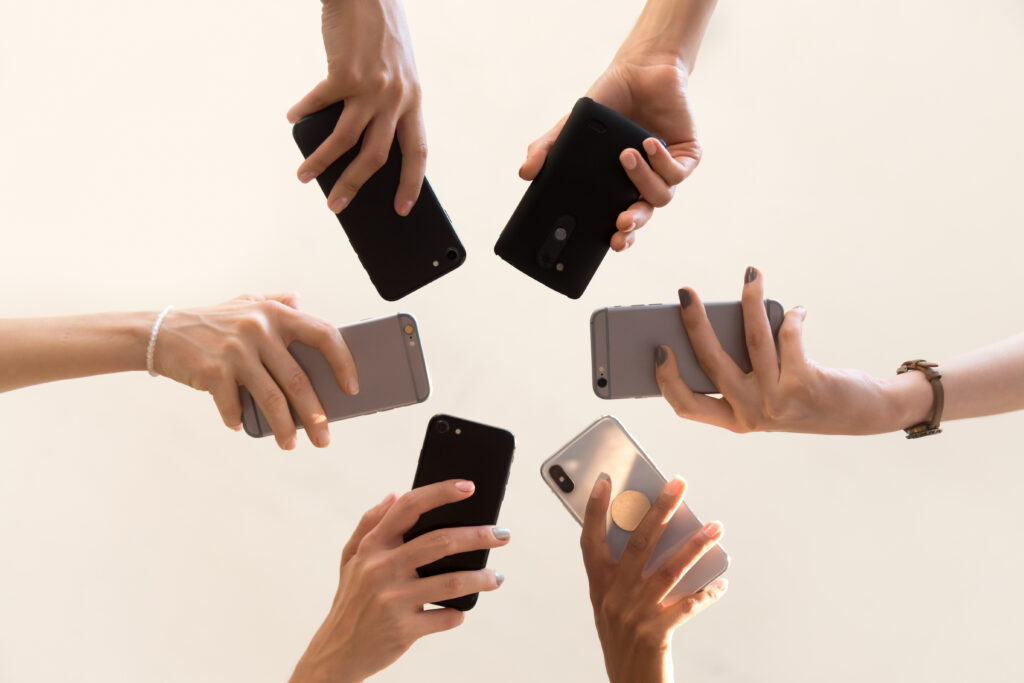
The emergence of smartphones has revolutionized communication by merging traditional telephony with modern internet capabilities and social networking functionalities. This tool has integrated itself into the daily lives of countless individuals, leading many to feel they cannot function without it. Recent polling data reveals that Generation Z, those who have grown up exposed to the internet and digital devices, spend an astonishing average of more than 36 hours per week using their smartphones.
A survey conducted by a British polling organization, which involved 2,000 adults, highlighted that many respondents frequently utilize their smartphones to assist family and friends with various tasks. These tasks include organizing family matters (reported by 22% of users), planning social activities (17%), and even acting as “informal psychological counselors” (14%).
On average, these informal engagements consume around 1 hour and 50 minutes each week, totaling over 95 hours a year—approximately equivalent to four days. Most individuals are unfazed by this time investment, with 38% feeling that such endeavors make them feel useful, 29% acknowledging a sense of trust, and 26% experiencing the conviction of being needed.
Interestingly, despite the extensive 36-plus hours spent by the younger Generation Z demographic on their smartphones, the function of making calls ranks only seventh among their usage activities.
Here are the top ten most frequently used smartphone functionalities among Generation Z:
1. Browsing social media (67%)
2. Messaging via WhatsApp (64%)
3. Listening to music or podcasts (59%)
4. Watching videos and streaming content (59%)
5. Using online banking (58%)
6. Taking photos or videos (58%)
7. Making and receiving phone calls (56%)
8. Sending text messages (56%)
9. Messaging within social media apps (55%)
10. Reading or sending emails (53%)
In stark contrast, for individuals aged 65 and older, making and receiving phone calls remains the most prevalent smartphone function (78%), followed closely by sending text messages (72%).
Across various age groups, WhatsApp has emerged as the predominant channel for communication through messaging and calls, superseding traditional SMS services provided by mobile devices.
Additionally, the survey revealed that 76% of respondents believe their daily interactions through smartphones are crucial for maintaining strong interpersonal relationships. Indeed, 42% of individuals reported a positive boost in their mood due to content received via mobile, including humorous images (62%), thoughtful messages (58%), or good news from loved ones (56%). Furthermore, 60% of respondents expressed that sharing images and videos frequently enhances their feelings of closeness with others.
However, notions regarding instant messaging etiquette seem divided among respondents—27% expressed guilt over delayed replies, while 24% noted that their responses might take hours or even days.
When it comes to video calling, Generation Z considers it the optimal method for staying connected, whereas those aged 65 and above find traditional voice calls sufficient.
Among today’s youth, excessive use of social media often raises concerns, leading to governmental restrictions on teenage users. So, what are Generation Z’s perspectives on social media? A recent survey by The Harris Poll targeted 1,006 Gen Z adults (ages 18 to 27) to explore this topic.
Despite being the first generation to grow up with social media deeply embedded in their daily activities, about half of the respondents expressed that they wish certain platforms—including TikTok (47%), Snapchat (43%), and X (formerly Twitter, 50%)—had never come into existence.
In contrast, the desire for platforms like YouTube (15%), Netflix (17%), the internet itself (17%), instant messaging apps (19%), and smartphones (21%) to not be invented registered below a quarter of responses.
Regarding usage time, nearly half (47%) of respondents reported spending between 2 to 4 hours daily on social media, with 22% spending over seven hours each day.
In terms of engagement, 49% of participants were satisfied with their current level of social media involvement. In contrast, about one-third (32%) wished to reduce their participation, while 13% were inclined to increase it.
Among these respondents, a significant majority (83%) had taken measures at some point to limit their social media usage. The most common strategies included:
1. Unfollowing or blocking accounts (42%)
2. Deleting social media apps (40%)
3. Turning off external notifications (36%)
4. Turning off internal app notifications (32%)
Those wishing to decrease their involvement were more likely to utilize access and usage time-related strategies such as:
1. Temporarily deactivating accounts (43%)
2. Permanently deactivating accounts (23%)
3. Setting personal usage time limits (42%)
4. Using timing tools (25%)
Prior research from the UK has also indicated that a considerable number of Generation Z individuals believe the drawbacks of social media outweigh the benefits, with 80% of respondents expressing that they do not wish for their future children to use social media.
This contemporary landscape of digital communication, particularly among the young, raises important questions about the impact of technology on personal connections and mental well-being in an increasingly screen-dominated world.