
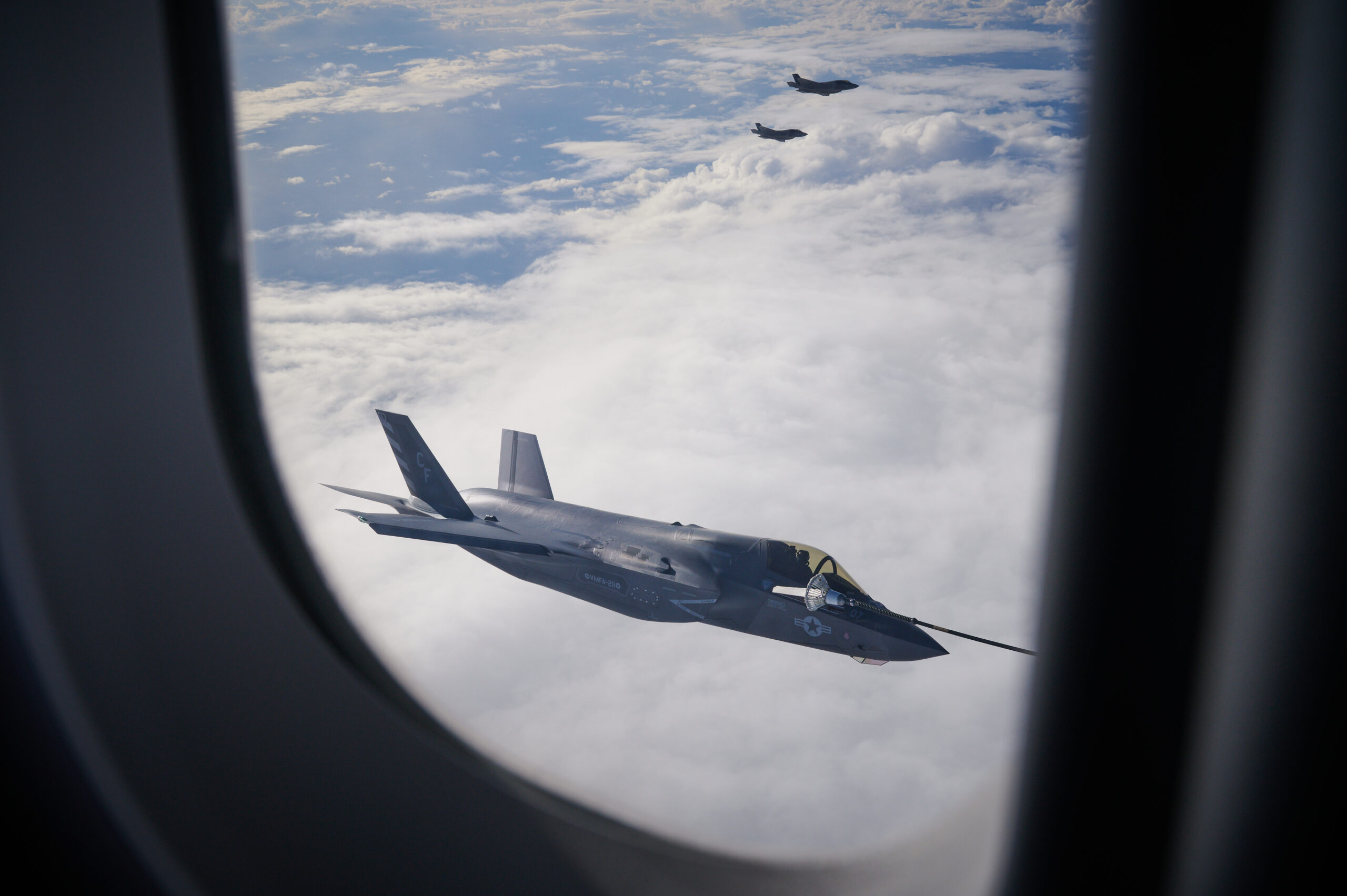
On Monday, British Prime Minister Andy Burnham agreed to Saudi Arabia’s military support request and will dispatch air force refueling aircraft to assist in defending against Houthi insurgent attacks. At the same time, the European Union is preparing to expand its naval presence in the Red Sea to address the heightened local security risks.
In recent times, Iran-backed Houthi militias have rapidly advanced along the Red Sea coast of Yemen, launching attacks on Saudi targets and vessels associated with Saudi Arabia. The Houthis have seized important strategic ports like Mokha and key islands in the Red Sea, posing greater risks to maritime shipping through the Bab el Mandeb strait.
With the disruptions at the Hormuz Strait due to the US-Iran conflict, attention has been drawn to the security of Red Sea shipping routes and energy supplies.
During his trip to New York to attend the UN General Assembly, Burnham announced that the UK had received Saudi Arabia’s military support request and agreed to provide “defensive aerial refueling.”
The UK will deploy a Voyager refueling aircraft in the coming days to provide aerial refueling for Saudi military aircraft carrying out defense missions. This arrangement is initially planned for several weeks and will be adjusted as necessary. Burnham emphasized that these measures would help stabilize the overall situation in the Middle East.
“We have received a military support request from the Kingdom of Saudi Arabia, and based on recommendations from the Minister of Defense and the Foreign Secretary, I agreed to provide this request for defensive aerial refueling,” Burnham stated.
He mentioned the need to keep the channels open as Saudi Arabia continues to face attacks.
The UK has maintained close defense cooperation with Saudi Arabia for a long time. Earlier this year, during the US-Iran conflict, the UK deployed the Sky Sabre air defense system to Saudi Arabia to help counter Iranian missile attacks. The dispatch of the Voyager refueling aircraft is another addition to the existing air defense support.
The Guardian noted that this marks Burnham’s first military deployment since taking office. Burnham highlighted that the deteriorating situation in the Middle East directly impacts the cost of living for British citizens, stressing the importance of keeping energy transport channels open for the UK economy.
As the UK announced its support, tensions between the Houthi rebels and the Saudi-backed Yemeni government have escalated once again.
According to the Associated Press, the Houthis have repeatedly launched missile and drone attacks against Saudi Arabia, including an attempted attack on Riyadh last Saturday, which was intercepted. The Houthis also announced the blockade of Red Sea and Bab el Mandeb strait shipping routes and targeted vessels associated with Saudi Arabia and Saudi oil facilities.
The Houthis have accelerated their military advances along the Red Sea coast in recent times.
Earlier this month, the Houthis captured the important port city of Mokha and key islands in the Red Sea, giving them greater control over ships passing through the Bab el Mandeb strait. Under normal circumstances, around 12% of global trade flows through this waterway.
The importance of the Bab el Mandeb strait has become more prominent due to disruptions at the Hormuz Strait. With the decrease in ship traffic due to the US-Iran conflict, Saudi Arabia has utilized the Red Sea route as a crucial alternative for oil exports.
Previously, Saudi Arabia sought assistance from several allies. Last week, Riyadh reportedly asked France, the UK, Pakistan, and Egypt to deploy air defense support to intercept missiles and drones launched by the Houthis and other Iranian-backed groups.
In addition to increasing military support for Saudi Arabia, the European Union is considering expanding its naval presence in the Red Sea.
EU High Representative for Foreign Affairs and Security Policy Kaja Kallas stated on Monday that the EU naval mission “Aspides” in the Red Sea currently involves six warships but needs to be scaled up to over 10 in response to the escalating threats.
“When the Aspides mission was established in 2024, it was assessed that at least 10 warships were needed. I believe that the current situation is even more critical,” Kallas expressed.
She highlighted that the Houthi attacks not only affect European interests but also impact the global economy.
Kallas had sent a letter to the 27 EU member states on September 19, urging them to increase their contributions. She emphasized that the escort operation requires “more naval assets and more aerial assets” to address the growing local threats. These issues are expected to be discussed at upcoming meetings of EU defense and foreign ministers.
Italy is also preparing an independent naval mission in the Red Sea.
As a major participant in the Aspides mission, Italy announced last week that it was preparing its own naval mission in response to the new security crisis, signaling a sense of urgency due to the lack of an EU response.
Kallas cautioned that while the Houthis currently claim to target only interests related to Saudi Arabia, other vessels passing through the strait remain under uncertainty.
She said, “Regardless, they are now in a more advantageous position and could potentially disrupt maritime traffic.”