
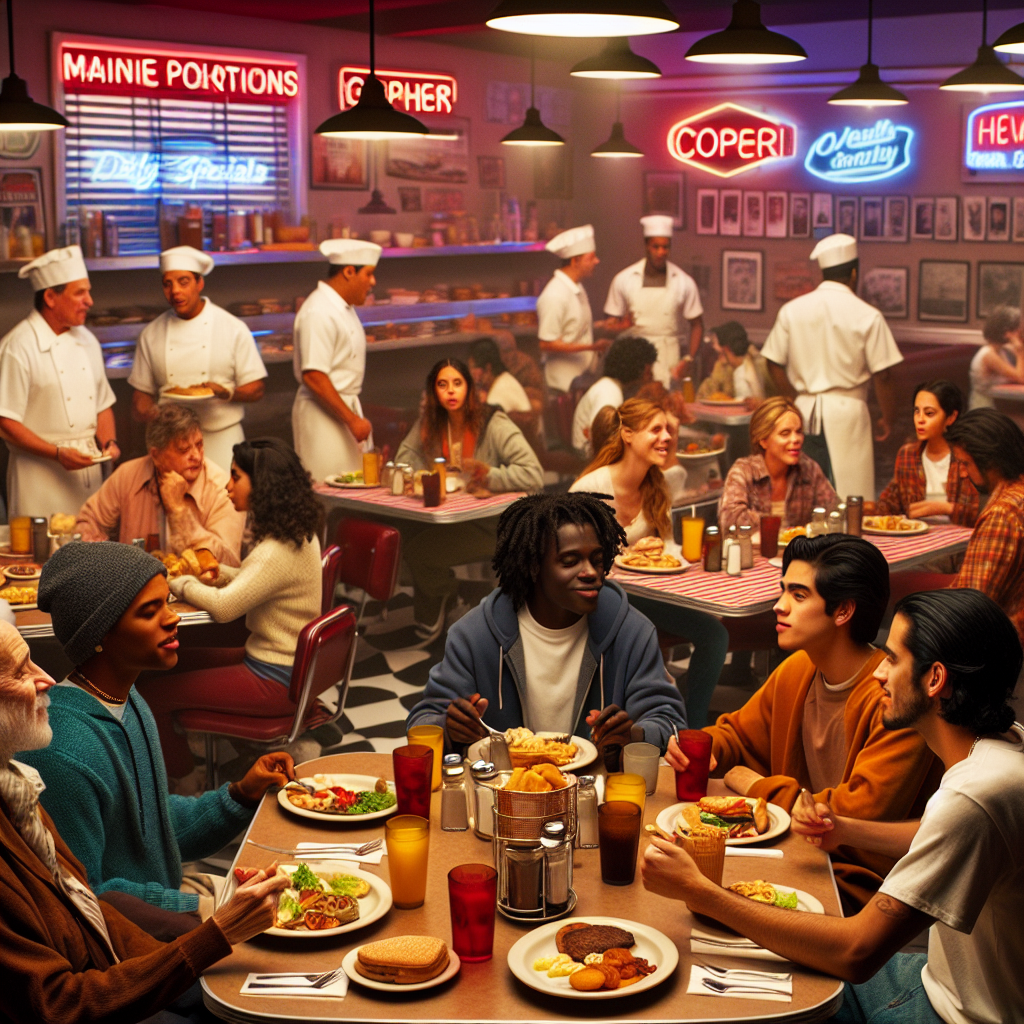
With the inflation of food prices and affordability becoming a focal point of discussion among American consumers, new restaurant procurement data shows that even those who still frequent restaurants are adopting a more frugal mindset. Many are opting for appetizers/starters over higher-priced main courses.
According to CNBC, Jim Pazzanese, Vice President of Global Strategic Procurement at Buyers Edge Platform, stated that appetizer orders have increased by 20%, while sales of main courses and desserts have remained relatively stable or experienced a slight decline.
The company is responsible for tracking supply chain data in the foodservice industry. Pazzanese noted that this shift is evident at the individual item level, with sales of popular appetizers showing growth rates exceeding 30% for restaurant operators.
Based on data from Buyers Edge Platform from the beginning of the year, mozzarella sticks saw a 36% increase in sales, fried pickles rose by 35%, fried cheese curds by 33%, fried jalapeños by 20%, and cheese snacks by 17%.
At the same time, Pazzanese mentioned that dessert orders have seen a 2% decrease year-on-year. He explained, “Consumers realize that appetizers are often tied to promotional activities and drink specials, making dining out more cost-effective.”
From an economic standpoint, purchasing frozen or long-shelf-life appetizers (which is the fastest-growing category) also makes sense for restaurant operators. “This helps owners and managers reduce waste and address unpredictable demand,” Pazzanese added.
Brian Choi, CEO of Food Institute, stated, “We are seeing the ‘K-shaped economy’ reflected in food spending.” This trend is evident as consumers continue to shift towards private label brands in grocery stores due to food inflation affecting their purchasing behaviors.
Choi pointed out that while the top 10% income bracket is increasing spending on innovative products and willing to pay for them, the majority of consumers are transitioning from national brands to private labels, saving them 10% to 20% of the cost. Consumer awareness of private labels has significantly increased over the past five years, now on par with national brands.
Retailers like Albertsons, Costco, and Kroger are expanding shelf space for private label products, with Save Mart introducing private label beef, poultry, and pork items. Amazon also launched Amazon Food, many of which are priced below $5. Albertsons anticipates private label products could account for 30% of their sales.
Amazon launched its private label food store in October.
According to the Food Institute’s data, although the inflation rate may be lower than the peak in 2022, food inflation has remained high. Since mid-2025, food prices have risen, with household food prices up by 1.9% to 2.7% year on year.
The latest Consumer Price Index for September showed a 3.1% year-on-year increase in food prices, with meat, poultry, fish, and egg prices surging by 5.2% over the past year.
The November Consumer Price Index (CPI) released by the US Department of Labor on December 18 showed a 2.7% year-on-year increase, lower than market expectations at 3.0% or 3.1%. The food price increase dropped from 3.1% in September to 2.6% in November.
Choi predicted that private label brands will continue to grow and surpass national brands in 2026.
Phil Kafarakis, CEO of the International Foodservice Manufacturers Association (IFMA), stated, “The $1.5 trillion foodservice industry is shifting towards more private labels to save costs.”
Kafarakis added, “Tariffs and supply chain issues are causing price hikes, especially in perishable foods.”
It’s not expected that prices will quickly fall back down.
Kafarakis commented, “Consumers do not understand the food supply chain, and it will not adjust on its own within weeks.”
IFMA predicts that consumers will start to feel relief from tariff-induced prices in the spring. Kafarakis emphasized, “Consumers are not aware of how long it takes to produce beef, and rebuilding the supply chain in case of drought or other disruptions takes time.”