
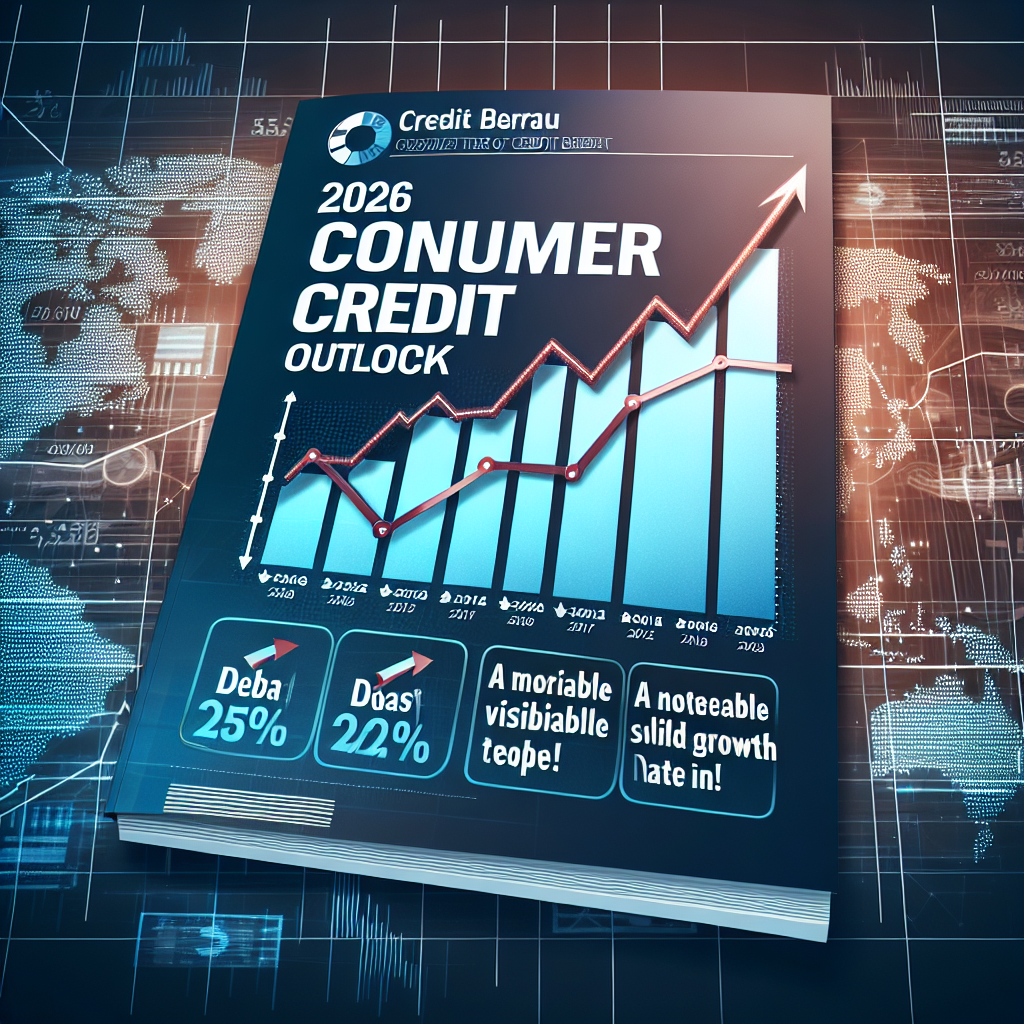
Amid the dual pressures of rising prices and a sluggish labor market, American consumers’ credit card debt is on the rise, but the growth rate has significantly decreased. According to the latest “2026 Consumer Credit Outlook” report released by credit bureau TransUnion, total credit card balances in the U.S. are expected to increase by 2.3% in 2026, marking the smallest annual increase since 2013 (excluding the abnormal decrease in the first year of the pandemic due to government relief measures).
This trend has raised market concerns. With inflation on the rise and consumer confidence waning, why is this situation emerging?
In the past few years, credit card balances had experienced sharp increases, with annual growth rates reaching 18.5% in 2022 and 12.6% in 2023. TransUnion noted in the report that the post-pandemic surge in consumer spending and the gradual depletion of stimulus funds have led lending institutions to become more cautious in extending credit, thereby naturally causing a slowdown in overall debt growth.
Michele Raneri, Managing Director of Research and Consulting at TransUnion in the U.S., stated, “Five or six years ago, people received a large amount of stimulus funds, improving their credit profiles. Due to the inability to shop during the pandemic, cash flow was very ample. From a credit perspective, this cash flow led to a decrease in overall default rates.”
However, the situation took a sharp turn afterward. Consumer spending surged, and default rates soared. She pointed out that current delinquency levels are stabilizing, with default rates expected to remain relatively stable next year.
“This may be the tail end of the credit cycle post-pandemic, as people are beginning to resume consumption, pay bills, and gradually return to their pre-pandemic lifestyles,” she said.
The report also highlighted the deepening trend of the “K-shaped economy” in the U.S.: high-income or high-credit-score individuals are living comfortably, while those with low income or low credit scores are facing difficulties, leading to a gradual decrease in the middle class.
Raneri pointed out, “Some people are doing well, essentially serving as the backbone of the overall economy and making up a large portion of the population. However, there are also those with poor credit, causing a reduction in the number of people in the middle class.”
This also explains why overall credit card debt growth has slowed down, but some consumers are still under significant pressure. This week, Moody’s released a Credit Health Tracking Report which indicated that the macro data presenting “overall stability in household balance sheets” might “underestimate the debt burden of individuals with lower wealth levels.”
In addition to credit cards, the delinquency rate growth for auto loans and personal loans has also slowed down, far below the post-pandemic peak. TransUnion projects that in 2026, the delinquency rate for auto loans will continue to rise for a fifth consecutive year, but the growth rate will slow significantly compared to previous years; the delinquency rate for personal loans may also increase slightly, but will be much lower than the surge in 2022.
Overall, despite the pressures of high prices and a weak labor market, American consumers are showing significant resilience, and the credit market is gradually returning to its pre-pandemic normal state.