
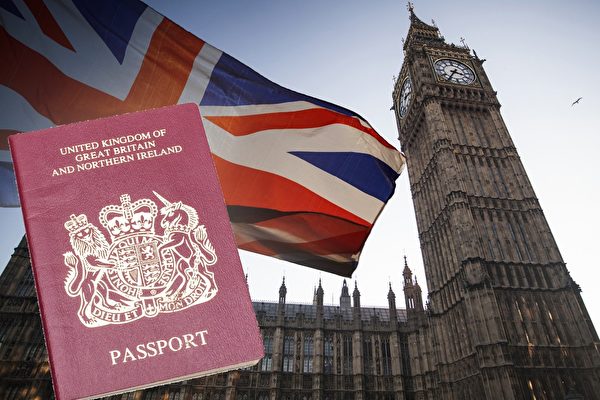
The UK Home Office is currently consulting on significantly tightening immigration policies, including raising the English language requirement for permanent residency from level B1 to B2, as well as introducing an annual income threshold of £12,570 (approximately HKD 128,000). This has sparked widespread questioning from Hong Kong residents living in the UK who believe it goes against the commitments made during the introduction of the BNO visa in 2021.
Hong Kong-born London Sutton District Councillor Richard Choi submitted a petition with over 8,000 signatures to 10 Downing Street on December 9, urging the government to maintain the existing policy to avoid creating difficulties for vulnerable families.
On the morning of the 9th, Richard Choi, along with Dr. Krish Kandiah, the director of the Sanctuary Foundation supporting refugees and new immigrants, delivered the petition to 10 Downing Street. The petition was received by officials at the Prime Minister’s residence.
The petition highlights the UK government’s clear commitment in 2021, allowing BNO holders to apply for settlement status after residing continuously in the UK for 5 years. Many families have made significant life decisions such as selling properties, transferring children to schools, and immigrating with elderly relatives based on this commitment. However, the proposed introduction of an income threshold or “economic contribution” requirement by the UK Home Office may exclude full-time students, family caregivers, retirees, and others from eligibility for permanent residency.
The new policy changes not only impact BNO families but will also severely affect young democracy activists who have sought refuge in the UK due to political persecution, many of whom face the risk of arrest and imprisonment upon returning to Hong Kong for their involvement in pro-democracy movements. The petition emphasizes that Hong Kong residents have integrated into British society, made positive contributions to the community, and calls on the government to maintain a balance between control and humanitarian concerns and not to make sudden rule changes while Hong Kong residents are settling in the UK.
Richard Choi cited a survey with 690 Hong Kong participants, indicating that the Hong Kong community is shocked and anxious about the sudden changes in immigration policies, fearing that their previously clear plans based on the government’s commitments may now become uncertain. Many families have made major life decisions based on the government’s explicit promise of being able to apply for permanent residency after residing for 5 years, and the sudden rule changes, especially excluding retirees, caregivers, and students, have caused genuine concerns about their future.
Dr. Krish Kandiah described how Hong Kong residents have successfully integrated into British society and brought many contributions to the community. The UK not only welcomes BNO visa holders but also offers refuge to brave dissenters who speak out for democracy and now face imprisonment if forced to return to Hong Kong. The UK immigration system must continue to strike a proper balance between compassion and control.
As of the submission, the petition has gathered over 8,000 signatures, urging the government to reconsider the regulations for BNO Hong Kong residents to apply for permanent residency, ensuring that all BNO Hong Kong residents and their families who have come to the UK and are committed to long-term residence here have a fair and predictable settlement path. The consultation for the revision of immigration policies will end on February 12 next year.