
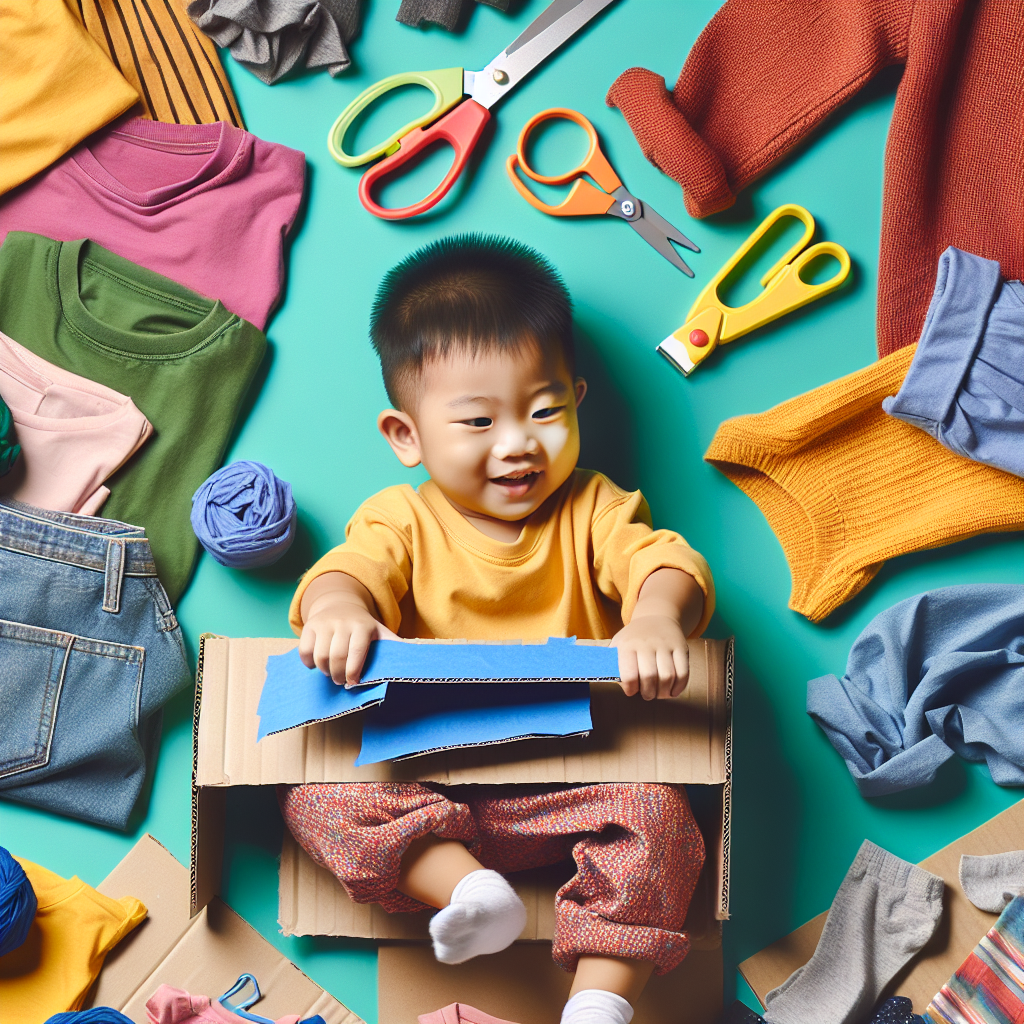
Social media platform Instagram has been buzzing with a video showcasing a cute toddler folding clothes, garnering tens of millions of views and sparking unexpected online debates.
The video demonstrates a clever trick on how to cut and tape cardboard together to create a homemade tool to assist toddlers in folding t-shirts. In the video, a two or three-year-old girl rapidly folds her t-shirt using this makeshift tool.
“Genius!” commented one internet user, with the video already surpassing 63 million views. Many netizens joked about using this useful technique for their partners, adult children, and teenage children.
While many people enjoyed the video, there were also critics. Some internet users believed that the cardboard folding tool was too young for the girl in the video, stating that children her age should not be starting on household chores. One user commented, “Child labor is back?!”
“Really? This child’s whole life is folding clothes. Give them some toys, get down on the floor and play with them,” another internet user remarked.
According to a report in the USA Today, child development experts found no danger signals in the video. In fact, experts stated that incorporating daily chores into children’s play can be fun, enhance their motor skills, teach them responsibility, and strengthen bonds with the caregivers.
“Teaching children from a young age that all family members have a responsibility to maintain the household is valuable,” Jill Trumbell, an assistant professor of human development and family studies at the University of New Hampshire, told USA Today. “It gives them a sense of ownership, not just adults doing everything for us. We are all members of this family.”
Julie Braungart-Rieker, director and professor of human development and family studies at Colorado State University, told USA Today that parents should ensure chores are suitable for the child’s age and abilities.
She emphasized that children’s language and physical development must be considered to enable them to learn how to complete tasks and understand the reasons behind them. For toddlers, chores might be limited to folding clothes, putting toys away in a play area, or simply pressing the button on the washing machine.
“Parents should come up with creative activities that children can participate in,” Braungart-Rieker said. “Make it enjoyable for them and avoid setting high expectations.”
Trumbell suggested that if children are not in the mood for chores, parents and caregivers should not force them. It is important to read the child’s cues; perhaps they are too tired or focused on another activity.
She warned that forcing children to do chores can backfire. Children are likely not to master the task and could result in negative parent-child relationship experiences.
“We need to find a good balance between helping children develop self-help skills and take on family responsibilities, but also recognize that sometimes they may not want to do things,” Trumbell said.
Braungart-Rieker highlighted that the clothes-folding technique video serves as a great example of achieving this balance.