
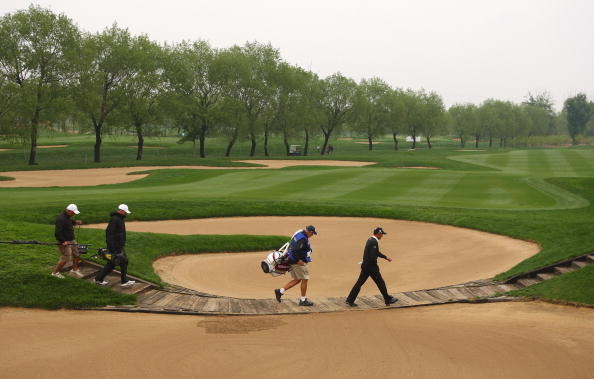
In recent years, the number of golf courses in China has been on a steady decline, reaching a scale that is now approximately half of what it was during its peak. In November 2026 alone, a significant 18 golf courses across the country announced their closure, with Beijing accounting for as many as 10 of these closures.
On November 26, an announcement was made by the managing company of the Dongfeng International Sports Park Golf Practice Range, stating that the practice facility ceased operations on November 25, following instructions from the relevant authorities. This includes well-known courses like the Beijing Xiangshan International Golf Club, Sanya Yalong Bay Golf Course, and Shaoxing Jianhu Golf Course, all of which recently issued notices indicating a temporary closure.
According to statistics compiled by Agence France-Presse, a total of at least 18 golf courses have declared their closure nationwide in the month of November 2026, with Beijing contributing to half of that figure. Some staff members from various golf courses have confirmed that authorities have indeed mandated these closures, although the specific reasons behind these actions remain unclear.
One golf course manager revealed to Chinese media that the investment for a single course can reach hundreds of millions of yuan, and to have this huge financial commitment wiped out by a mere notification is distressing. Additionally, several courses that had already undertaken measures to conserve water and address pollution concerns were also shut down, leading to discussions surrounding what many are calling a “one-size-fits-all” approach to governance in the golf industry.
This series of closures raises questions about the future of golf in China, as the sport had previously seen a surge in popularity. Various factors may be contributing to the diminishing number of golf courses, including stricter environmental regulations, economic pressures, and changing public attitudes towards luxury sports.
As the implications of these closures ripple through the golfing community, stakeholders in the industry will need to navigate these challenges while also considering how to adapt to the evolving landscape of leisure activities in the country. The fate of golf in China now hangs precariously, as many watch to see what the future holds for this once-thriving sport.