
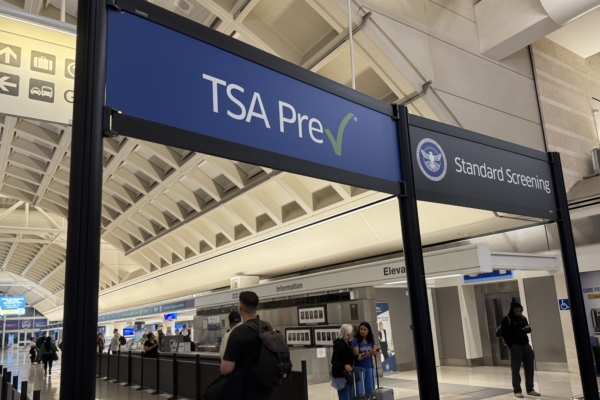
As the Thanksgiving holiday approaches in the United States, millions of Americans are preparing to travel by air to reunite with family and friends, often bringing along food items for the celebrations. However, what may seem like ordinary food can face restrictions when traveling through U.S. airports, particularly if it contains liquid or gel components, which must not be carried in carry-on luggage.
The Transportation Security Administration (TSA) is gearing up for the holiday travel peak and is urging travelers to plan ahead. It is important to check carry-on luggage before departure to determine which items are allowed and which must be checked.
Los Angeles International Airport (LAX) is once again reminding travelers to be mindful of food transport rules. These restrictions apply not only to traditional holiday foods but also to commonly used items in everyday life, such as jams, peanut butter, honey, and soups, which may be subject to scrutiny.
According to TSA regulations, solid foods can typically be packed in carry-on bags or checked luggage. Common Thanksgiving foods such as turkey and other meats, baked goods, fruits and vegetables, nuts, spices, and various side dishes fall under the category of solid foods that can be carried onboard.
Nevertheless, all food items are subject to security screening, and sometimes they may require additional, individual inspections.
The TSA enforces the “3-1-1” rule for liquids, gels, aerosols, creams, and pastes: each container must not exceed 3.4 ounces (approximately 100 milliliters). This “3-1-1 Liquid Rule” also applies to foods that are liquid or gel-like, such as gravy, sauces, soups, honey, jams, jellies, and peanut butter. According to the rules, even food items that fall under liquid, gel, or paste classifications must comply with volume restrictions; any excess volume must be checked.
Travelers looking to bring frozen foods or using ice packs for cooling purposes must ensure that these items remain completely frozen when going through security. If any food or ice pack has partially thawed and turned into ice water or a semi-liquid state, it may be subject to the liquid regulations.
If travelers are unsure whether a specific food item can be included in their carry-on luggage, they can check the TSA’s official website to avoid being asked to dispose of items at the security checkpoint.
It is important to note that TSA regulations apply to both domestic and international flights departing from U.S. airports. However, just because food items pass through security at a U.S. airport does not guarantee that they can be brought into the destination country.
Each country has strict import restrictions regarding meats, fruits, vegetables, and other agricultural products. Travelers are encouraged to check the customs regulations of their destination country before departure to ensure compliance with local laws.
Additionally, international travelers entering the United States should also pay attention to food declaration regulations enforced by U.S. Customs and Border Protection (CBP).
This article serves as a general reference; for specific regulations, please consult the TSA and CBP guidelines.