
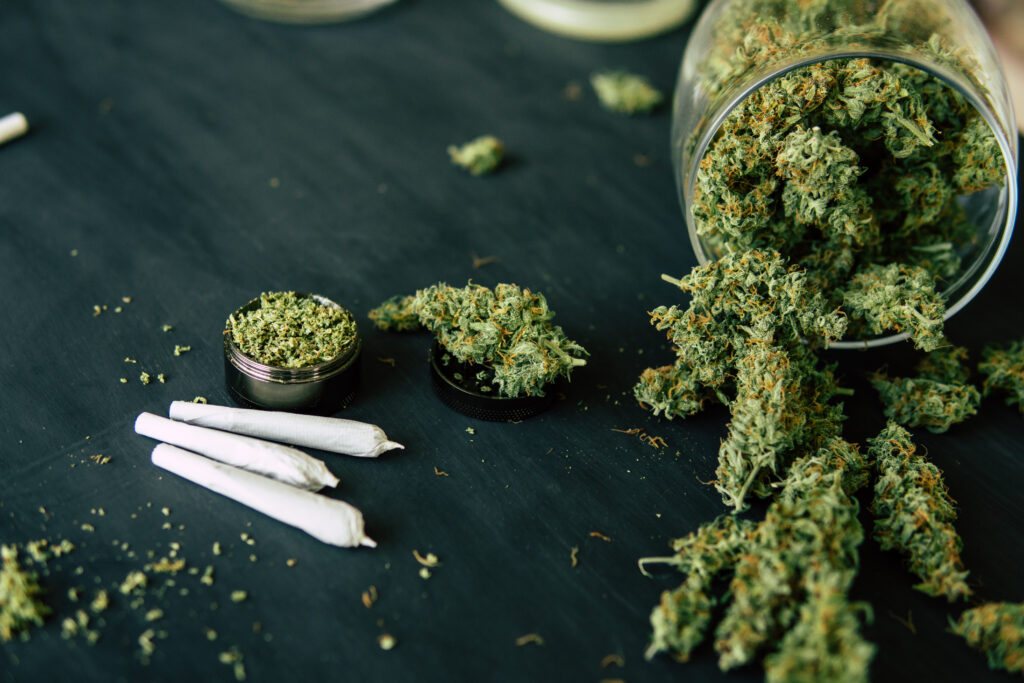
A recent study has revealed a significant shift in substance use trends in Canada, indicating that the number of people using cannabis daily now exceeds those consuming alcohol on a daily basis. This change is primarily driven by younger demographics. Experts believe that this evolving habit may have profound implications for public health and society.
According to a report by the Canadian Broadcasting Corporation, this study, published in the Canadian Medical Association Journal, analyzed data from the Canadian Community Health Survey conducted by Statistics Canada between 2023 and 2024, encompassing nearly 100,000 adults.
The findings indicate that 5.7% of Canadian adults report using cannabis every day or almost every day, translating to approximately 1.8 million people. In comparison, those who consume alcohol daily or nearly every day account for 5.2% of the population.
Notably, the only demographic where daily alcohol consumption remains higher than daily cannabis use is among Canadians aged 50 and older.
Dr. André McDonald, a postdoctoral fellow at McMaster University’s Peter Boris Centre for Addictions Research and the main author of the study, emphasized that these trends reflect a generational shift in substance use patterns. Historically, public health policies have concentrated on tobacco and alcohol consumption; however, there is now an urgent need to address the day-to-day use of cannabis.
The research also highlighted that among all age groups, men aged 25 to 34 are the most likely to use cannabis daily, with a staggering rate close to 11%. Furthermore, women in the same age bracket are reported to consume cannabis more than 17 times the rate they consume alcohol.
This trend is not confined to Canada alone. In the United States, many states have legalized cannabis use, including for medical purposes. Recent studies indicate that cannabis usage is steadily replacing alcohol as a preferred substance among individuals. A 2024 study revealed that around 17.7 million Americans use cannabis daily or almost every day, while the number of people who consume alcohol daily stands at about 14.7 million.
Canada officially legalized recreational cannabis in October 2018. Dr. McDonald pointed out that government outreach and education must evolve to keep pace with this rising trend, ensuring that Canadians are aware of the risks associated with frequent cannabis use. He remarked, “If this becomes the first choice for the younger generation, we may witness it evolve into a long-term trend. It’s highly likely that as they age, these usage habits will carry into their mid-life years.”
However, researchers caution that the study does have limitations, particularly as the data relies on self-reported information from respondents. The survey did not delve deeper into the frequency of daily use for those who reported using cannabis every day. Additionally, e-cigarettes and vaping were not included in the study scope.
Dr. Romina Mizrahi, the head of the cannabis research center at McGill University and a psychiatrist, highlighted that for individuals over the age of 25, daily cannabis use can significantly affect mood and motivation. Conversely, excessive use among adolescents and young adults could increase the risk of developing psychosis.
Dr. Mizrahi further noted that many users are unaware of these risks, especially when consuming cannabis products that are potent and contain high levels of tetrahydrocannabinol (THC). The demand for high-THC products is rising, prompting experts to call for more research into the chemical composition of cannabis.
Researchers have also warned that prolonged and heavy cannabis use may lead to addiction and is linked to anxiety, depression, and other mental health issues.
Dr. McDonald suggested that individuals experiencing profound social marginalization or economic pressure may be more susceptible to using cannabis as a coping mechanism.
However, Dr. Mizrahi cautioned that while cannabis may initially be sought for its anxiety-relieving properties, excessive use could exacerbate anxiety rather than alleviate it. “People often start using cannabis because they believe it can help manage anxiety or even improve their mood. However, once a regular usage pattern is established, anxiety levels can actually rise, along with symptoms of depression and other emotional issues,” she explained.
This evolving landscape of substance use in Canada reflects broader changes in societal attitudes and underscores the need for updated public health strategies to address emerging trends effectively.