
On November 17, a serious train collision occurred in the heart of Prague, the capital city of the Czech Republic, resulting in injuries to 46 individuals.
The incident took place around 7 a.m. local time on a viaduct near the central train station. Two passenger trains collided head-on in the city’s third district, specifically on Seifertova Street.
Images and videos shared on social media revealed significant damage to both trains involved in the crash. One of the trains had its front end severely deformed, showcasing the violent impact of the collision. Emergency responders arrived at the scene promptly and began rescuing the injured, who were evacuated using stretchers.
According to the emergency medical services in Prague, among the 46 injured, four were reported to be in serious condition, twelve sustained moderate injuries, and thirty suffered from light injuries.
After receiving alerts about the accident, the first wave of emergency responders arrived at the location within four minutes. Following their initial arrival, more than ten ambulance teams, four groups equipped with doctors, a supervising officer, and a specialized evacuation vehicle were dispatched to assist in the rescue efforts.
The emergency services emphasized that all patients classified as critically injured had been prioritized and transferred to medical facilities for urgent treatment. By approximately 9:40 a.m., the majority of the rescue operations had concluded.
By around 1 p.m., normal operations at Prague’s main train station resumed, allowing for the resumption of services in the area.
Ivan Bednárik, the Czech Minister of Transport, took to social media to express his gratitude to the emergency responders and firefighters for their “professional and swift response.” He also noted that an investigation into the incident had begun by the relevant authorities.
Local police confirmed that the on-site rescue efforts had been completed and that investigators, in conjunction with railway inspectors, had started working to uncover the complete details and causes of the accident, as well as to determine who would be held accountable.
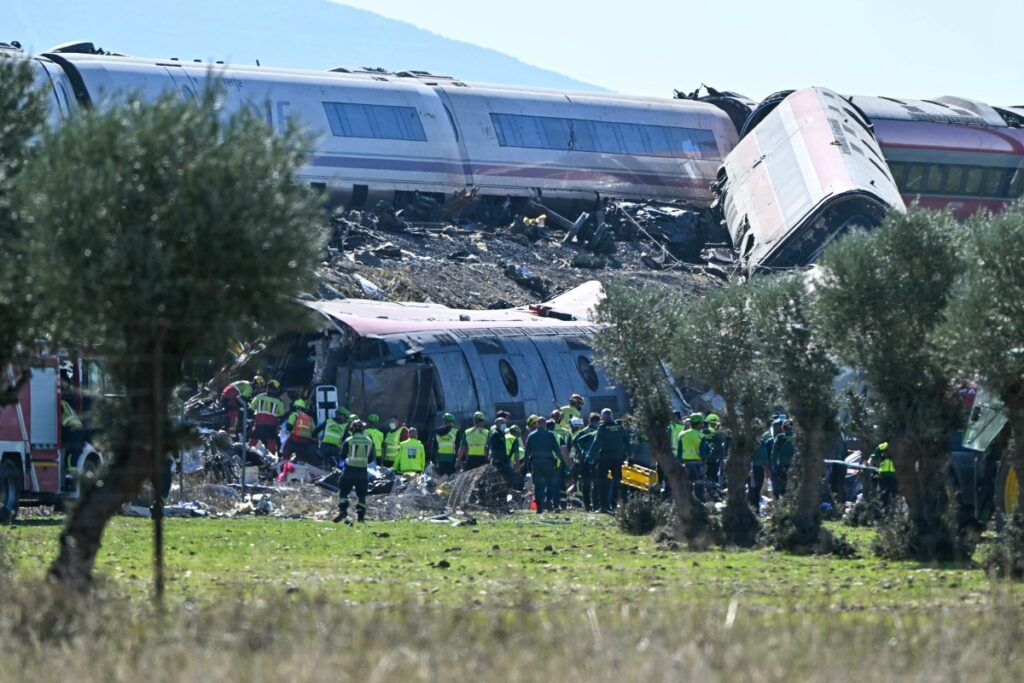
This accident comes in the wake of a string of severe train collisions across Europe. Just last month, a tragic incident occurred in Spain, claiming the lives of at least 69 people. In that incident, a Renfe AVE high-speed train traveling from Madrid to Seville collided with an Iryo high-speed train that had stopped on the tracks for undisclosed reasons, leading to some carriages derailing and tumbling off the tracks.
In light of that catastrophic event, Óscar Puente, the Spanish Minister of Transport, resigned from his position on November 3, demonstrating the weight of responsibility that accompanies such tragedies.
The implications of these accidents underline the critical need for stringent safety measures and thorough investigations to prevent future occurrences and protect the lives of passengers who rely on rail transport.