
A tragic incident has unfolded in western Siberia, where a Russian military transport aircraft has crashed, resulting in the loss of all 19 individuals on board. Reports from the Russian Ministry of Defense indicate that preliminary investigations suggest the cause of the accident may be linked to technical or equipment failures.
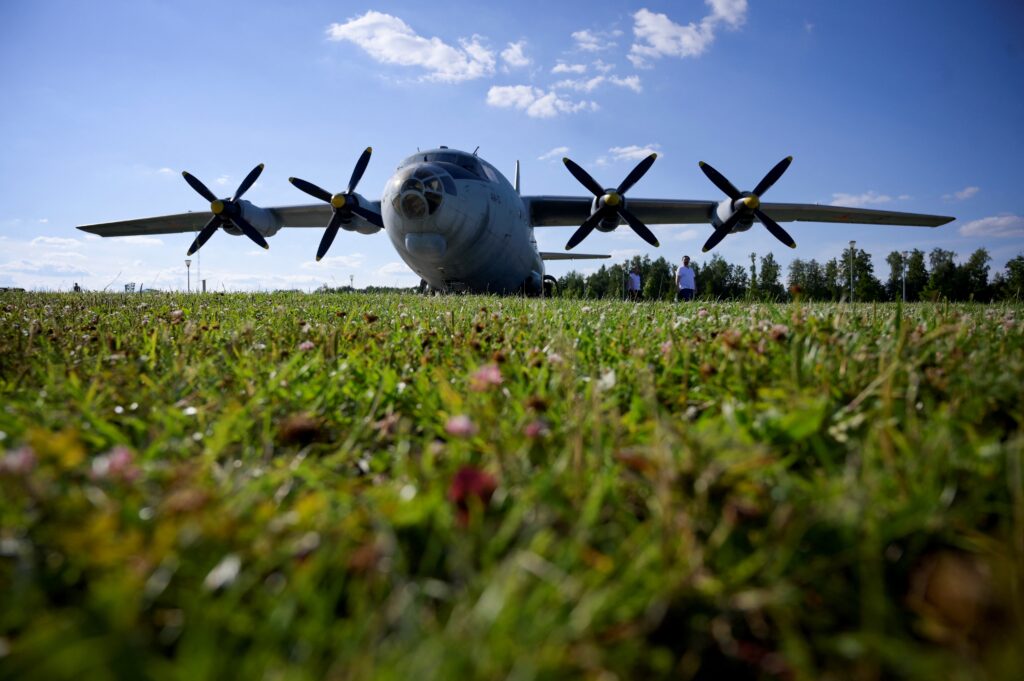
The aircraft, an An-12 model, was engaged in a routine flight at the time of the incident. It went down in an uninhabited area not far from Kemerovo city, which is situated approximately 3,000 kilometers (about 1,860 miles) east of Moscow.
The governor of Kemerovo Oblast, Ilya Serdyuk, reported that the plane crashed near Yagunovo village, close to Kemerovo airport. Emergency rescue teams promptly arrived on the scene and extinguished a significant fire caused by the crash, while local police quickly cordoned off the area to secure the site.
In the aftermath of the crash, Russian Air Force experts and civil aviation authorities have launched an investigation into the circumstances surrounding the incident. Additionally, the Investigative Committee of Russia, the nation’s top criminal investigative body, has opened an inquiry into potential violations of flight safety regulations. This is a standard procedure following accidents of this nature.
A piece of CCTV footage circulating on social media appears to capture the moment of the crash. The video shows a bright object falling from the sky, followed by an explosion that illuminated the night. However, due to the distance from which the footage was taken, specific details of the event remain unclear. The BBC and Reuters have verified the date and time of the video, and Reuters has confirmed the crash location by comparing satellite imagery of the area.
The An-12 aircraft was developed during the Soviet era and is a four-engine turboprop transport plane that has been in operation since the late 1950s. Typically, the aircraft is operated by a crew of six. To date, over 1,000 units of this model have been produced, and some are still in active service in Russia and other countries.
This incident not only highlights the operational risks faced by military aviation but also raises questions about the maintenance and safety protocols adhered to in the flight operation of aging aircraft models. As investigations continue, the focus will be on preventing similar tragedies in the future through stricter safety regulations and comprehensive oversight.