
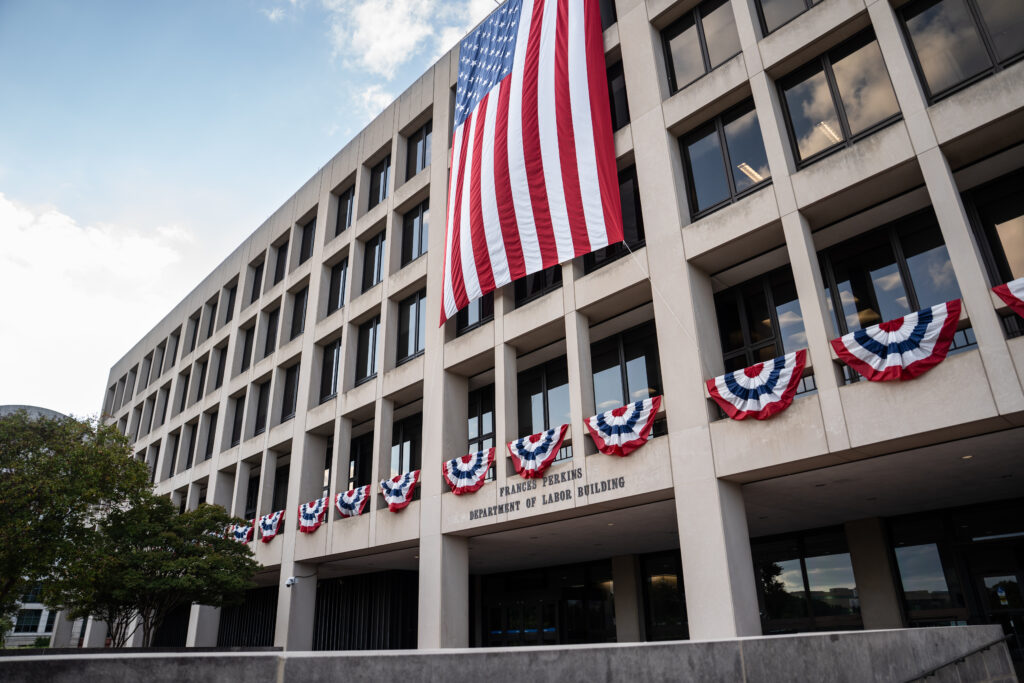
On November 16, the U.S. Department of Labor announced a proposal to tighten the procedures surrounding Permanent Labor Certification (PERM), commonly known as labor certification. This program serves as a crucial preliminary step for many employers who sponsor employment-based green card applications, and it has long been utilized by technology companies to assist foreign employees in obtaining permanent residency.
The Department of Labor is suggesting significant reforms to the labor certification process. Once employers secure approval for labor certification for foreign employees, they can use this to support subsequent employment-based green card applications. Typically, labor certification is applicable to both the second preference (EB-2) and third preference (EB-3) categories for green card applications.
The proposed regulations are expected to be published in the Federal Register on Tuesday. This new framework will introduce stricter requirements for employers who have previously laid off American workers and will fundamentally reshape the recruitment processes that employers must complete before sponsoring foreign employees.
In its press release, the Department of Labor stated that this proposed rule would mark the “first comprehensive regulatory reform” of the PERM regulations in nearly two decades. Key aspects of the reforms include requiring employers to post job advertisements for at least 90 days, and the elimination of exemption provisions for professional nurses, physical therapists, and individuals with exceptional abilities in the sciences, arts, or performing arts who qualify under Schedule A. If employers wish to sponsor these individuals, they will be required to complete the standard labor certification process.
These changes could potentially affect tens of thousands of application cases. According to estimates from the Department of Labor, during the fiscal years 2023 to 2025, an average of approximately 23,835 applications will be submitted annually to the U.S. Citizenship and Immigration Services (USCIS) under the Schedule A category.
Before hiring foreign employees, companies are obligated to demonstrate that there is a lack of sufficient and qualified domestic labor for specific positions. Additionally, they must show that employing foreign workers will not adversely affect the wages and working conditions of U.S. workers engaged in similar jobs.
The proposed reforms also call for employers to update their recruitment methods to ensure they can reach the “widest pool of quality American labor.” For example, they may need to transition to electronic recruitment advertisements rather than relying on traditional print advertisements.
Furthermore, if an employer has laid off American workers in the same or similar occupational fields and work locations within the past two years, they may be prohibited from submitting related labor certification applications. Current regulations typically only consider layoffs that occurred within the six months prior to application submission.
The Department of Labor noted in the proposed rule that establishing a two-year timeframe would provide “more robust assurances” against employers circumventing scrutiny by delaying the submission of labor certification applications.
These adjustments aim to strengthen protections for American workers affected by layoffs, including those employed through staffing agencies, and require employers to report layoffs accurately.
The Department of Labor is currently considering whether to include fully remote positions within the scope of PERM applications or to impose minimal offline work requirements, or to exclude them entirely. The current proposal does not rule out fully remote positions from eligibility.
Additionally, the proposed rule states that a labor certification can only be used for one initial I-140 immigration application, which must be submitted to the USCIS within 180 days. If the application is denied after exhausting all appeal processes, employers seeking to reapply must obtain a new labor certification.
The Department of Labor has emphasized that these proposed regulations have not yet been finalized and will not immediately alter the current green card application requirements. Within 60 days of the proposal’s publication, the Department will solicit public comments.
Last month, Vice President Harris announced that eight technology and outsourcing companies, including Microsoft and Adobe, have been indefinitely banned from sponsoring green cards for employees through the PERM program due to ongoing investigations regarding potential abuses of the system. In a statement, Microsoft defended its actions and expressed a willingness to provide further information to the government.
Subsequently, IBM announced on November 10 that it would cease to provide U.S. visa and green card sponsorship for most positions within its largest business segment, IBM Consulting.